
Early adopters of carbon mineralization in concrete production have gained real, measurable advantages: lower cement consumption, faster curing cycles, and a verifiably reduced carbon footprint for their products. These benefits are not theoretical. Manufacturers who have integrated CO₂ curing into precast production have seen their products move from being emission sources to carbon sinks, giving them a credible story to tell clients, regulators, and carbon markets. The sections below work through the most common questions manufacturers ask before and after making the move.
What have early adopters actually gained from carbon mineralization?
Early adopters of carbon mineralization in concrete production have gained three interconnected advantages: reduced cement consumption, faster throughput in curing chambers, and a documented reduction in the carbon footprint of finished products. Because these benefits arise from the same process, manufacturers do not have to choose between economic and environmental outcomes.
The cement savings matter most to production managers focused on cost. CO₂ curing accelerates the strength development of concrete, which means products can meet strength requirements with less Portland cement in the mix. Depending on the product type and material mix, this reduction can be considerable. When industrial byproducts such as steel slag are used alongside CO₂ curing, the cement displacement becomes even more significant, and the carbon footprint of the product can become negative.
For commercial teams, the ability to document and report permanent carbon storage has opened access to carbon credit markets. Mineralized CO₂ is stored as carbonates within the concrete structure, which independent certification bodies can verify. That means the environmental benefit is not just a marketing claim but a certified, auditable outcome. Early adopters have been able to offer clients Environmental Product Declarations with substantially improved figures, which increasingly influence procurement decisions in public construction.
How does carbon mineralization change the day-to-day production process?
Carbon mineralization changes daily production primarily through the curing chamber. Instead of relying solely on temperature and humidity to harden precast elements, the curing environment is enriched with CO₂. The gas reacts with calcium compounds in the cement, forming stable carbonate minerals that accelerate strength gain and densify the concrete microstructure.
In practical terms, this means curing cycles can be shortened without sacrificing product quality. Faster strength development allows earlier demoulding, which increases the number of production cycles possible within a given shift. For precast manufacturers operating under tight delivery schedules, this improvement in throughput is directly useful.
The CO₂ supply and dosing process requires new equipment and monitoring, but the integration is designed to work with existing curing chamber infrastructure. The hardware connects to the chamber and manages gas flow automatically. Operators interact primarily with a software platform that shows real-time data on CO₂ concentration, uptake, and process conditions. This visibility is new for most production teams, and it tends to change how production staff think about curing: from a passive waiting period to an active, controllable process step.
The concrete mix design may also change. Because CO₂ curing can activate certain supplementary cementitious materials (SCMs) that are otherwise non-reactive in standard curing conditions, manufacturers gain access to a wider range of binder options. Steel slag, for instance, which is largely passive in conventional curing, becomes a useful binder component when CO₂ is present. This expands the material design space considerably.
What challenges did early adopters face when implementing CO2 curing?
The most common challenges early adopters faced when implementing CO₂ curing were related to mix design adjustment, chamber sealing, CO₂ sourcing logistics, and staff familiarisation with new process parameters. None of these challenges are insurmountable, but underestimating them can slow the ramp-up period.
Mix design and process calibration
Introducing CO₂ into the curing environment changes the chemistry of strength development. Manufacturers who assumed they could simply add CO₂ to their existing mix designs without adjustment found that the results were inconsistent. The optimal process requires calibrating CO₂ concentration, exposure duration, and mix composition together. This calibration work takes time and benefits from close collaboration with the technology provider during the early production phase.
Chamber modifications and CO₂ logistics
Existing curing chambers are typically not gas-tight. Sealing them adequately to maintain the CO₂ concentration required for effective mineralization is a necessary modification, and the engineering requirements vary depending on chamber size, construction, and ventilation setup. Additionally, CO₂ must be sourced, stored on-site in liquid form, and delivered reliably. Establishing that supply chain before commissioning the system is important, because interruptions in CO₂ supply directly affect production continuity.
How do manufacturers verify and report the carbon stored in concrete?
Manufacturers verify and report carbon stored in concrete through a combination of real-time gas flux measurement during the curing process and independent third-party certification of the results. The amount of CO₂ mineralized is calculated from the difference between CO₂ introduced into the chamber and CO₂ remaining at the end of the curing cycle, confirmed by laboratory-tested control samples.
This measurement approach gives manufacturers a per-batch record of carbon uptake, which can be reported at the product level. The data feeds into Environmental Product Declarations and, where applicable, into carbon credit documentation. For carbon credits to be issued, the stored CO₂ must meet additionality, permanence, and quantification criteria set by recognized certification standards.
Permanence is straightforward in this context: CO₂ mineralized as carbonate minerals within concrete does not re-enter the atmosphere, even if the concrete is later demolished and crushed. This durability distinguishes mineralization-based carbon removal from biological storage methods, where permanence is harder to guarantee over long timeframes.
The Carbonaide Service Platform centralizes this process, managing CO₂ flow data, generating reporting outputs, and supporting the documentation required for carbon credit certification. Manufacturers using the platform can produce monthly reports of carbonated CO₂ and, at the premium level, access full carbon storage documentation including independent verification.
When does carbon mineralization make sense for a concrete manufacturer?
Carbon mineralization makes sense for a concrete manufacturer when the production process uses separate curing chambers, involves precast elements or small concrete products, and when the manufacturer has access to a reliable CO₂ supply. These conditions together create the environment where CO₂ curing delivers consistent results and a clear return on investment.
Manufacturers producing a high volume of standardized precast elements benefit most directly. The cement savings accumulate with scale, and the faster curing cycles improve capacity utilization across the facility. Manufacturers already working with SCMs such as slag or limestone filler will find that CO₂ curing amplifies the performance of those materials, enabling greater cement displacement than either approach achieves alone.
Carbon mineralization also makes sense when clients or procurement frameworks are beginning to require documented carbon footprint data for building products. Manufacturers who can provide certified EPD figures with reduced or negative carbon values gain a commercial advantage in markets where this reporting is becoming standard. The investment in CO₂ curing technology positions a manufacturer ahead of that demand rather than behind it.
It makes less sense in production contexts without dedicated curing chambers, such as ready-mix concrete operations, or where product volumes are too low to offset the capital cost of system installation. The economics improve with scale, so manufacturers with larger production volumes will typically see a faster return.
What should manufacturers do before adopting carbon mineralization technology?
Before adopting carbon mineralization technology, concrete manufacturers should assess their current curing setup, review their mix designs, establish a CO₂ supply arrangement, and calculate the expected return on investment based on their actual production volumes and cement costs. Thorough preparation reduces commissioning time and avoids costly adjustments after installation.
A practical pre-adoption checklist includes the following steps:
- Audit existing curing chambers: Determine whether chambers can be sealed to the standard required for CO₂ curing, and identify what modifications will be needed. Chamber size and construction type affect the scope and cost of this work.
- Review current mix designs: Identify which products are most likely to benefit from cement reduction or SCM substitution, and which may require reformulation. Products with lower early-strength requirements tend to offer the most room for adjustment.
- Secure a CO₂ supply agreement: CO₂ must be available in consistent volumes. Manufacturers should identify local industrial CO₂ sources, understand delivery logistics, and plan for on-site storage before the system goes live.
- Calculate ROI with real production numbers: The business case depends on cement price, production volume, and average cement content. Running these numbers before committing to investment gives a realistic picture of payback period and annual savings.
- Engage the technology provider early: The calibration of CO₂ concentration, curing duration, and mix composition is product-specific. Starting that dialogue before installation allows the provider to tailor the system setup to the manufacturer’s actual product range.
Manufacturers who treat adoption as a phased process, beginning with a defined product group and expanding from there, tend to manage the transition more smoothly than those who attempt to convert the entire production line at once. Starting with products where the benefits are most predictable builds the internal knowledge and confidence needed to extend CO₂ curing across a broader portfolio.
How Carbonaide supports manufacturers through carbon mineralization adoption
Carbonaide offers a complete solution for precast concrete manufacturers looking to integrate CO₂ curing into their operations. The offering covers the full adoption journey, from initial planning through to ongoing production support:
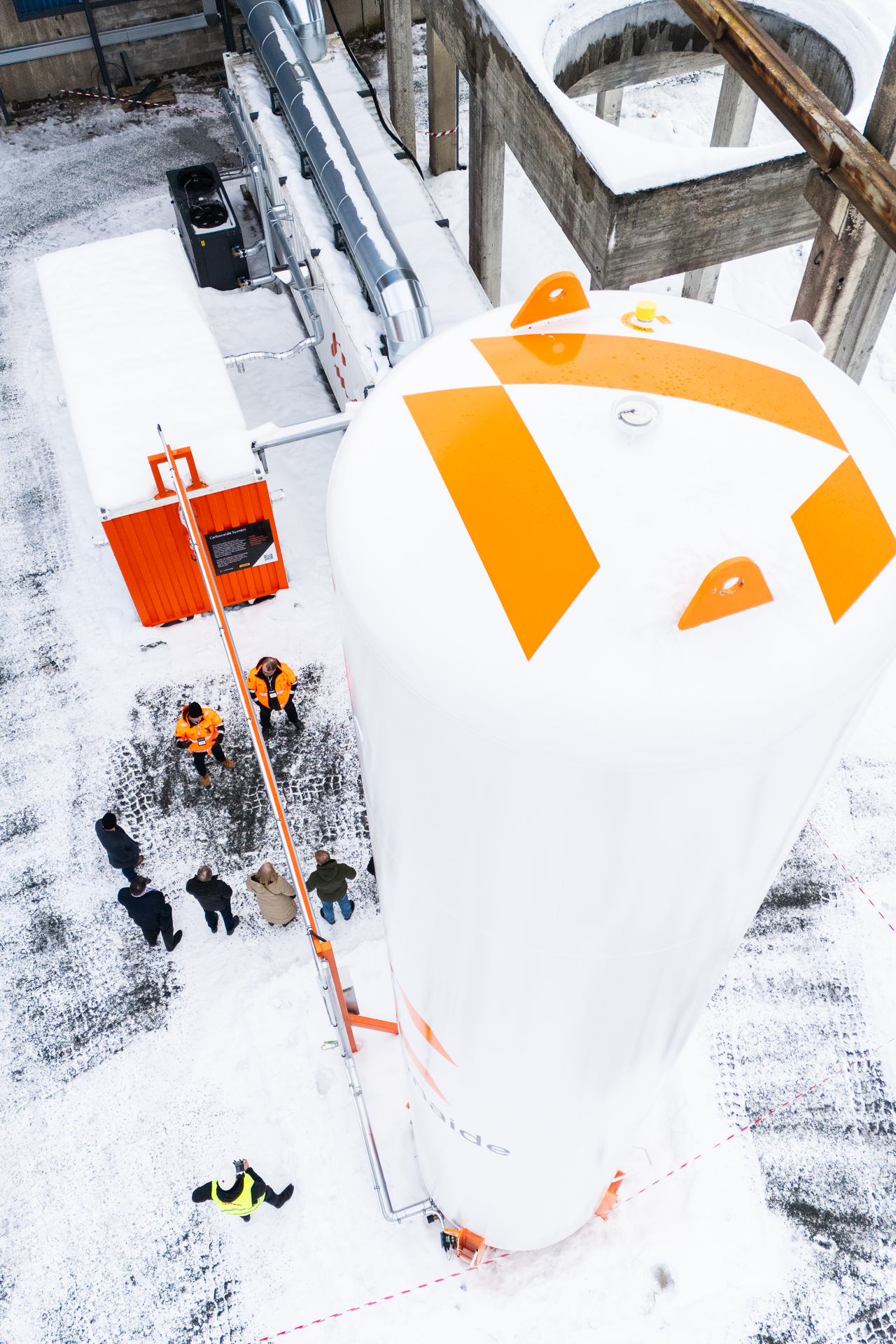
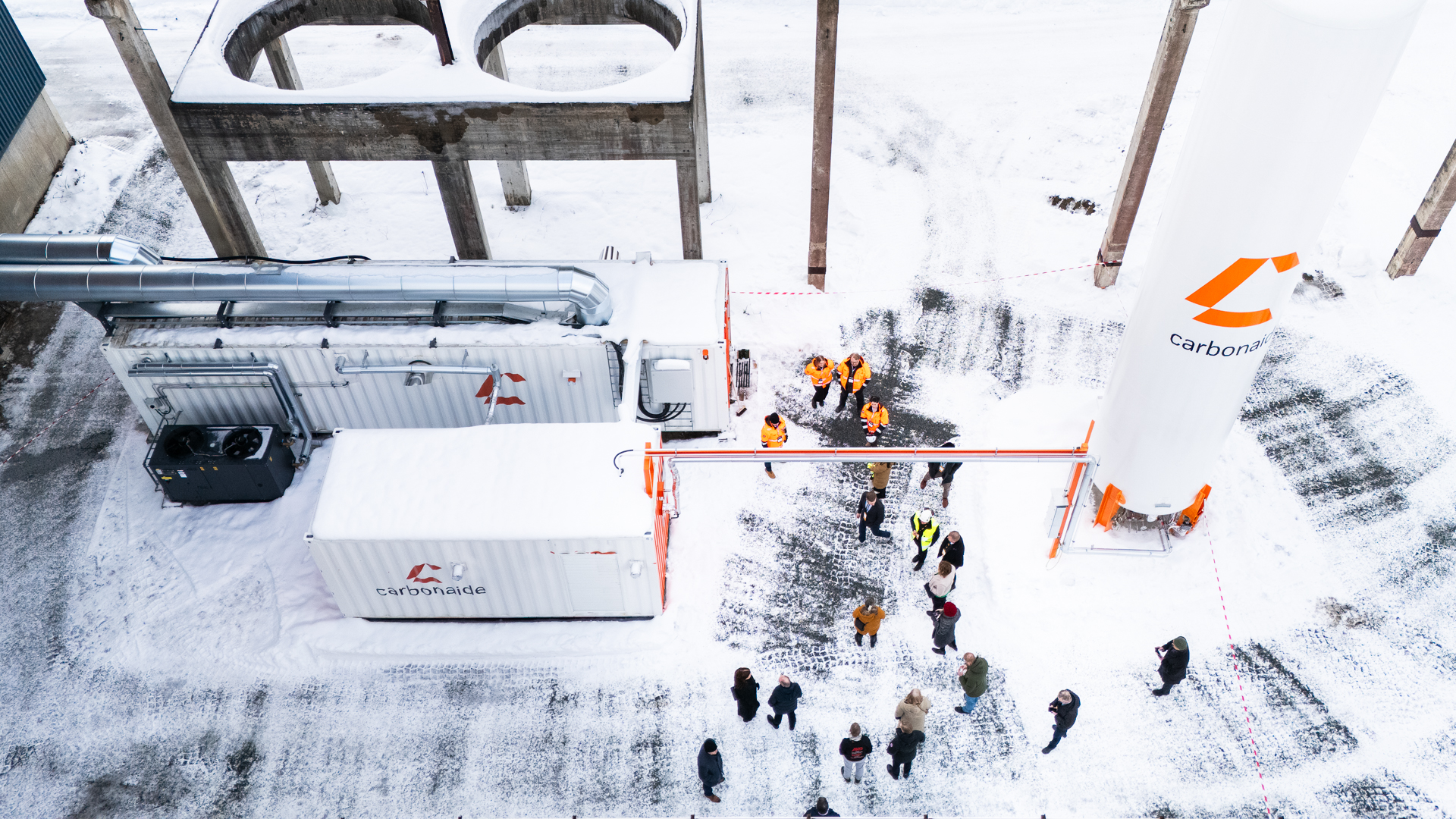
- Hardware integration: The Carbonaide CO₂ Curing System can be retrofitted to existing curing chambers or integrated into new facilities, with the Carbonaide team supporting chamber modification design and system setup.
- Process intelligence: The Carbonaide Service Platform manages CO₂ flow in real time, provides per-product carbon storage data, and generates the documentation needed for EPD updates and carbon credit certification.
- Lifecycle support: Carbonaide Care covers maintenance, calibration, and ongoing technical support, with service packages tailored to different operational needs.
- CO₂ sourcing assistance: Where needed, Carbonaide can support customers with CO₂ sourcing and logistics through its partner network, reducing the burden of establishing that supply chain independently.
The technology has been in commercial use in Finland since early 2024, and the lessons from those first production facilities directly inform how Carbonaide supports new customers through implementation.