
Mineralization-based carbon removal is one of the most durable and scalable pathways available to the construction industry today. By converting CO₂ into stable carbonate minerals within concrete products, the process achieves permanent carbon storage without requiring separate infrastructure or temporary biological sinks. The sections below address the most common questions about how this technology works, where it can scale, and what the path forward looks like.
How does CO₂ mineralization permanently store carbon?
CO₂ mineralization permanently stores carbon by converting gaseous carbon dioxide into solid carbonate minerals within concrete. During the carbon dioxide curing process, CO₂ reacts with calcium ions released from cement and supplementary cementitious materials, forming calcium carbonate and other stable mineral compounds. These carbonates do not revert to a gaseous form, making the storage effectively permanent over timescales exceeding a thousand years.
The chemistry behind this is straightforward. When CO₂ is introduced into a curing chamber containing fresh concrete, the gas dissolves and reacts with calcium-bearing compounds in the binder. The result is a mineralization process that locks carbon into the concrete’s microstructure as carbonates. Unlike biological carbon storage, which depends on living systems that can release carbon through decay or combustion, mineralized carbon in concrete remains stable regardless of what happens to the material afterward. Even if a concrete product is demolished and crushed, the carbonates remain intact.
This permanence is what distinguishes CO₂ mineralization from most other carbon removal approaches. The stored carbon is measurable, verifiable, and physically embedded in the building material itself. That combination of durability and traceability makes it a strong candidate for high-integrity carbon removal credits in voluntary carbon markets.
How does mineralization compare to other carbon removal methods?
Compared to other carbon removal methods, CO₂ mineralization in concrete offers a distinct combination of permanence, scalability, and economic integration. Biological methods such as reforestation store carbon in living systems that can release it again through fire, disease, or land-use change. Biochar offers more durability but requires a separate production process. Mineralization in concrete, by contrast, stores carbon permanently within a product that already has industrial demand and established production infrastructure.
A few comparisons are worth drawing out clearly:
- Reforestation: Carbon is stored in biomass and soil, both of which are vulnerable to reversal. Storage is not permanent on the timescales required for meaningful climate impact.
- Biochar: More durable than reforestation, but requires a dedicated thermochemical process and separate application. It does not integrate into an existing industrial production chain the way CO₂ mineralization does.
- Direct air capture with geological storage: Highly durable, but energy-intensive and expensive. Requires dedicated capture equipment and access to suitable geological formations.
- CO₂ mineralization in concrete: Stores carbon permanently as carbonates within a product that is already being manufactured at scale. The carbon removal happens as part of the production process, not as a separate step.
The practical advantage of mineralization is that it does not require building an entirely new industrial system. It integrates into concrete manufacturing, which already operates at global scale. That integration also means the economics can work differently: the carbon storage delivers production benefits such as reduced cement content and faster curing, which offset part of the cost.
What industries can scale mineralization-based carbon removal?
The concrete manufacturing industry is the primary sector where mineralization-based carbon removal can scale meaningfully. Precast concrete production is particularly well suited because it uses controlled curing environments, specifically enclosed curing chambers, where CO₂ concentration and exposure time can be managed precisely. This makes the mineralization process both efficient and measurable. Other cement-based product categories, including infrastructure elements, paving products, and small concrete goods, follow the same logic.
Beyond precast concrete, several adjacent industries are worth noting. Concrete block and masonry production shares similar curing conditions and could adopt CO₂ mineralization with comparable results. Fiber cement and other cement-composite manufacturing processes also involve curing stages where CO₂ introduction is technically feasible.
The common thread across all these sectors is the presence of calcium-rich binder materials and a curing stage where CO₂ can be introduced in a controlled way. Industries that rely on open-air curing or continuous casting processes face more technical barriers, which is why precast production with separate curing chambers represents the most practical starting point for scaling.
The construction materials supply chain more broadly stands to benefit as mineralization scales. Concrete producers who adopt the technology can offer verified low-carbon products to building companies, architects, and project developers who face growing pressure to reduce the embodied carbon of their projects.
What are the biggest barriers to scaling CO₂ mineralization?
The biggest barriers to scaling CO₂ mineralization are CO₂ supply logistics, the upfront investment required to retrofit or equip production facilities, and the need for standardized measurement and verification frameworks. None of these barriers are technical in nature. The underlying science is well established, and commercial operations already exist. The challenge is building the supply chains, financial models, and market structures that allow the technology to expand.
CO₂ supply and logistics
CO₂ mineralization requires a reliable supply of carbon dioxide at the production site. In many regions, industrial CO₂ is available as a byproduct of other processes, but connecting concrete factories to that supply requires infrastructure investment and logistics planning. Facilities located far from CO₂ sources face higher costs and more complex supply arrangements. Expanding the network of CO₂ suppliers and developing regional distribution infrastructure is a prerequisite for broad geographic scaling.
Capital investment and economic viability
Installing a CO₂ curing system involves upfront hardware costs and facility modifications. For many concrete producers, the business case depends on a combination of production savings, such as reduced cement use and faster curing, and revenue from carbon credits. Where carbon credit markets are underdeveloped or where cement prices are low, the return on investment calculation becomes more challenging. Building a clearer and more liquid market for durable carbon removal credits would strengthen the economic case for adoption.
How will carbon credits accelerate mineralization adoption?
Carbon credits accelerate mineralization adoption by creating a direct revenue stream that improves the return on investment for concrete producers who install CO₂ curing systems. When a producer can sell verified carbon removal credits to companies seeking to offset their emissions, the economics of the technology improve significantly. This additional revenue source makes the investment viable in cases where production savings alone might not be sufficient.
The credibility of those credits depends on rigorous measurement and certification. CO₂ mineralization has a clear advantage here: the amount of CO₂ stored in concrete can be quantified through gas flux measurement during the curing process, and the permanence of the storage is well supported by the chemistry of carbonate minerals. This makes it possible to certify mineralization-based credits under demanding standards, including those that require verification of additionality and permanence.
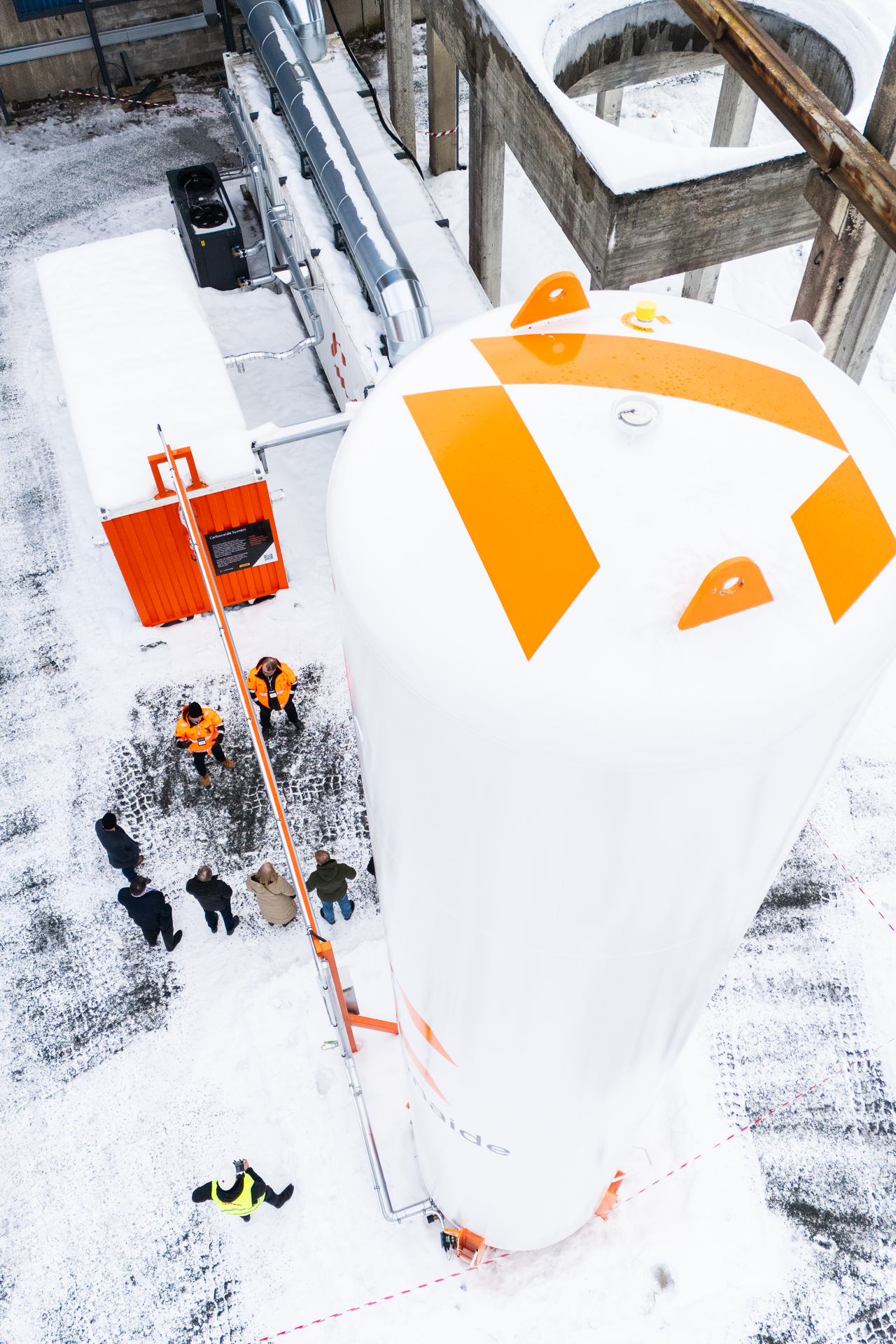
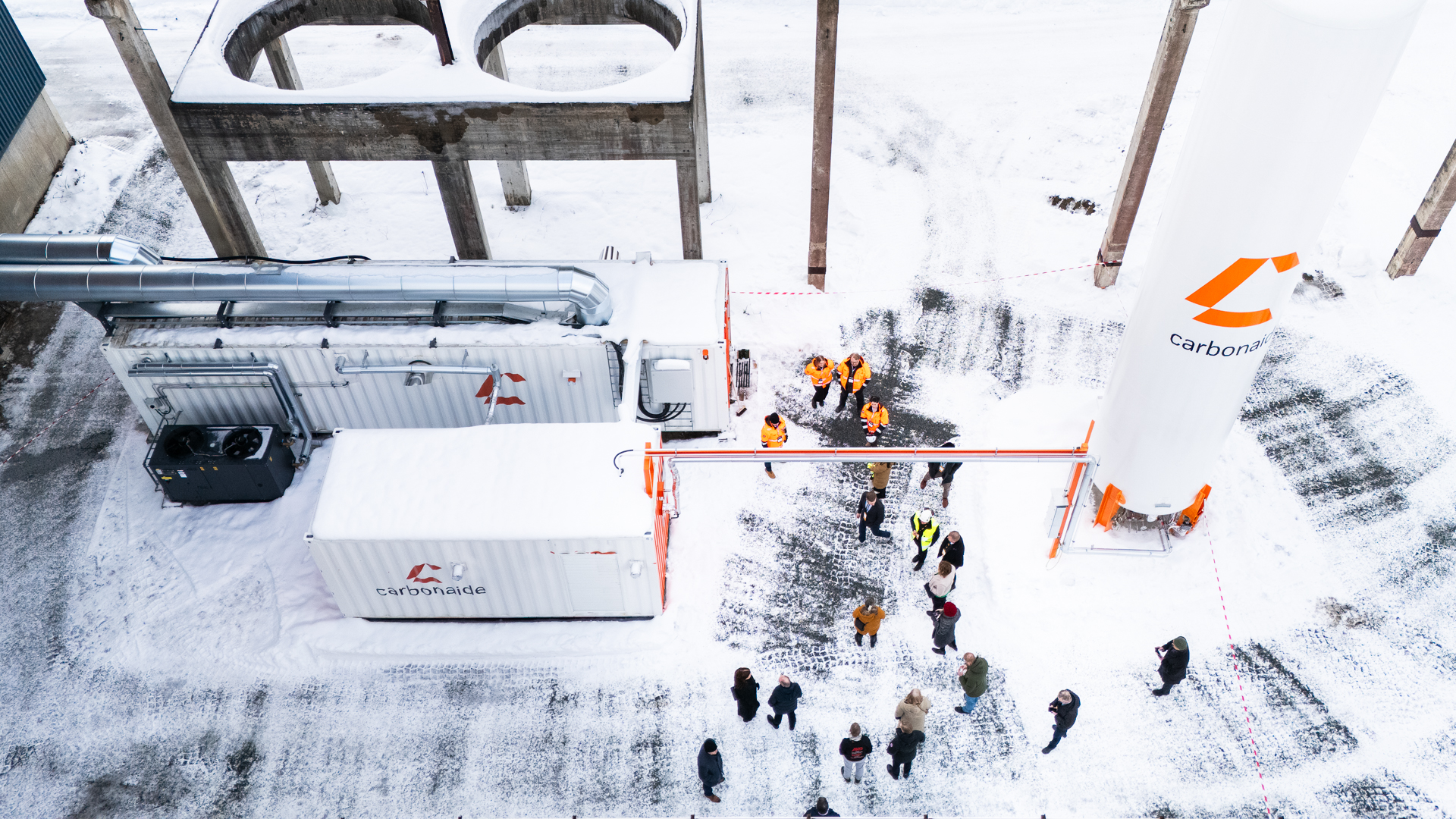
Carbonaide’s approach illustrates how this works in practice. The Carbonaide Service Platform manages CO₂ flow during curing, measures the amount of CO₂ mineralized into each concrete batch, and supports the documentation required for carbon credit certification. Credits produced through this process are certified under established standards, giving buyers confidence in what they are purchasing.
As demand for durable carbon removal credits grows, particularly from companies with net-zero commitments that require high-permanence solutions, mineralization-based credits are well positioned to attract buyers. Early adopters who build verified carbon removal capacity now will be better positioned to supply that demand as the market matures.
What does the next decade look like for mineralization technology?
Over the next decade, CO₂ mineralization in concrete is likely to move from early commercial adoption to broader industry deployment, driven by tightening carbon reporting requirements, growing voluntary carbon markets, and the economic advantages the technology delivers to concrete producers. The technology itself is already commercially proven. The trajectory ahead is primarily about scale: more facilities, more CO₂ supply infrastructure, and more standardized frameworks for measuring and crediting carbon storage.
Several developments are likely to shape that trajectory:
- Wider geographic deployment: As CO₂ supply networks expand and more concrete producers become familiar with the technology, adoption is expected to spread beyond early markets in Northern Europe to other regions with active precast sectors.
- Integration with alternative binders: Combining CO₂ curing with supplementary cementitious materials such as steel slag opens the possibility of concrete products with net-negative carbon footprints. As the availability of these materials improves, more producers will be able to achieve deeper emission reductions.
- Stronger carbon market infrastructure: Standardized certification protocols for mineralization-based carbon removal credits will reduce transaction costs and increase buyer confidence, making it easier for producers to monetize stored carbon.
- Regulatory alignment: Environmental product declarations and embodied carbon requirements in building regulations are becoming more common. Producers with verified carbon storage data will be better positioned to meet those requirements and differentiate their products.
Carbonaide’s own trajectory reflects this broader picture. With operational facilities in Finland and a commercial partnership with Elematic to bring CO₂ curing systems to precast producers internationally, the path from early adoption to wider deployment is already underway. The goal of reaching ten operational units in the Nordics by 2026 represents one milestone in a longer scaling process that extends well into the next decade and beyond.
The longer-term potential of CO₂ storage in concrete is considerable. Construction materials collectively represent one of the largest available sinks for durable carbon removal, and concrete holds the largest share of that potential. Realizing it requires consistent investment in technology deployment, supply chain development, and market infrastructure. The next decade will determine how much of that potential is converted into verified, permanent carbon storage at industrial scale.