
Carbonaide has successfully advanced the commercialization of its carbon dioxide curing technology with the support of European Union funding, reaching a key milestone in the concrete industry. The project, funded through the EU’s Just Transition Fund (JTF), has enabled the company to move from development to full-scale industrial deployment within a short timeframe.
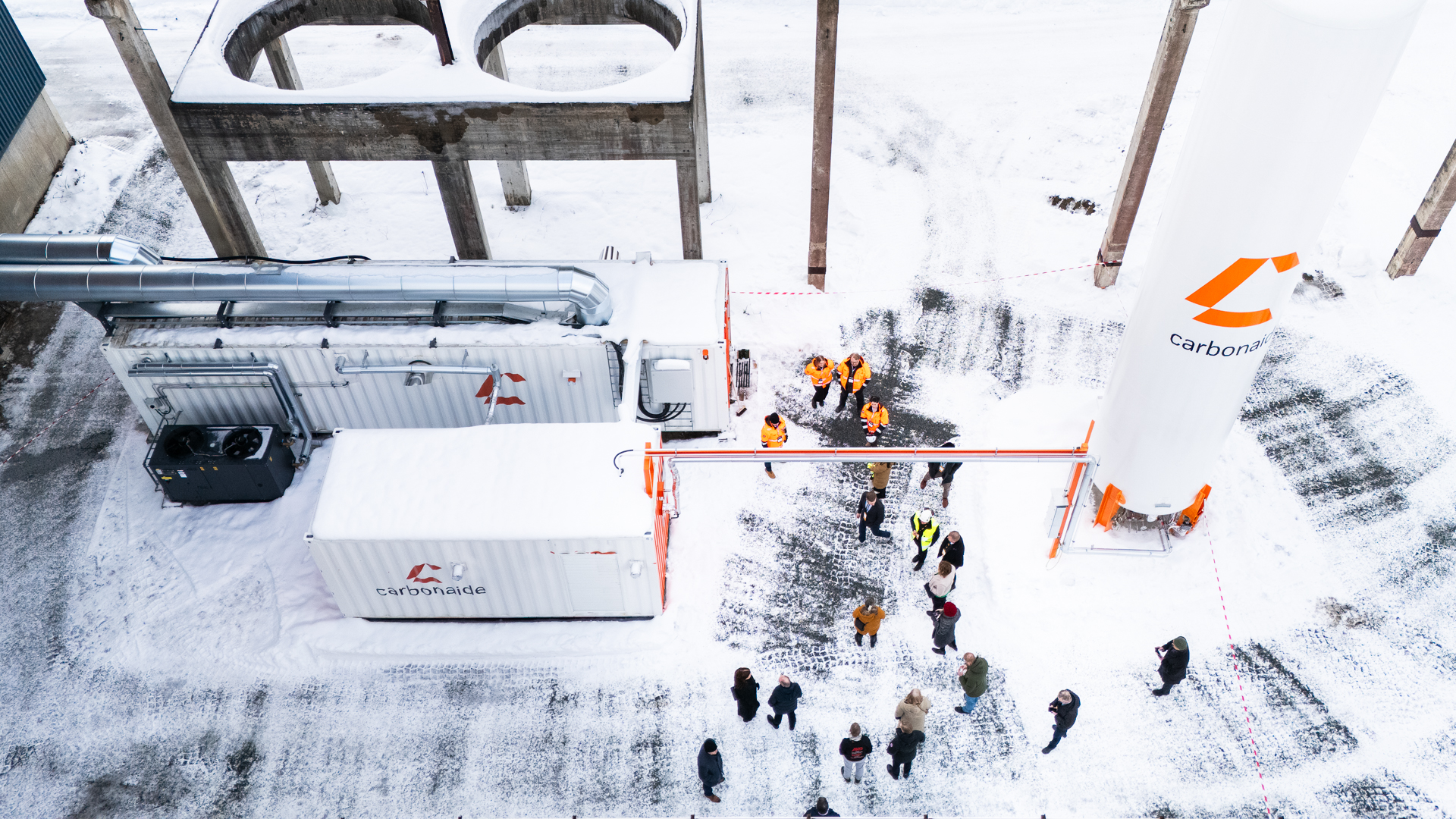
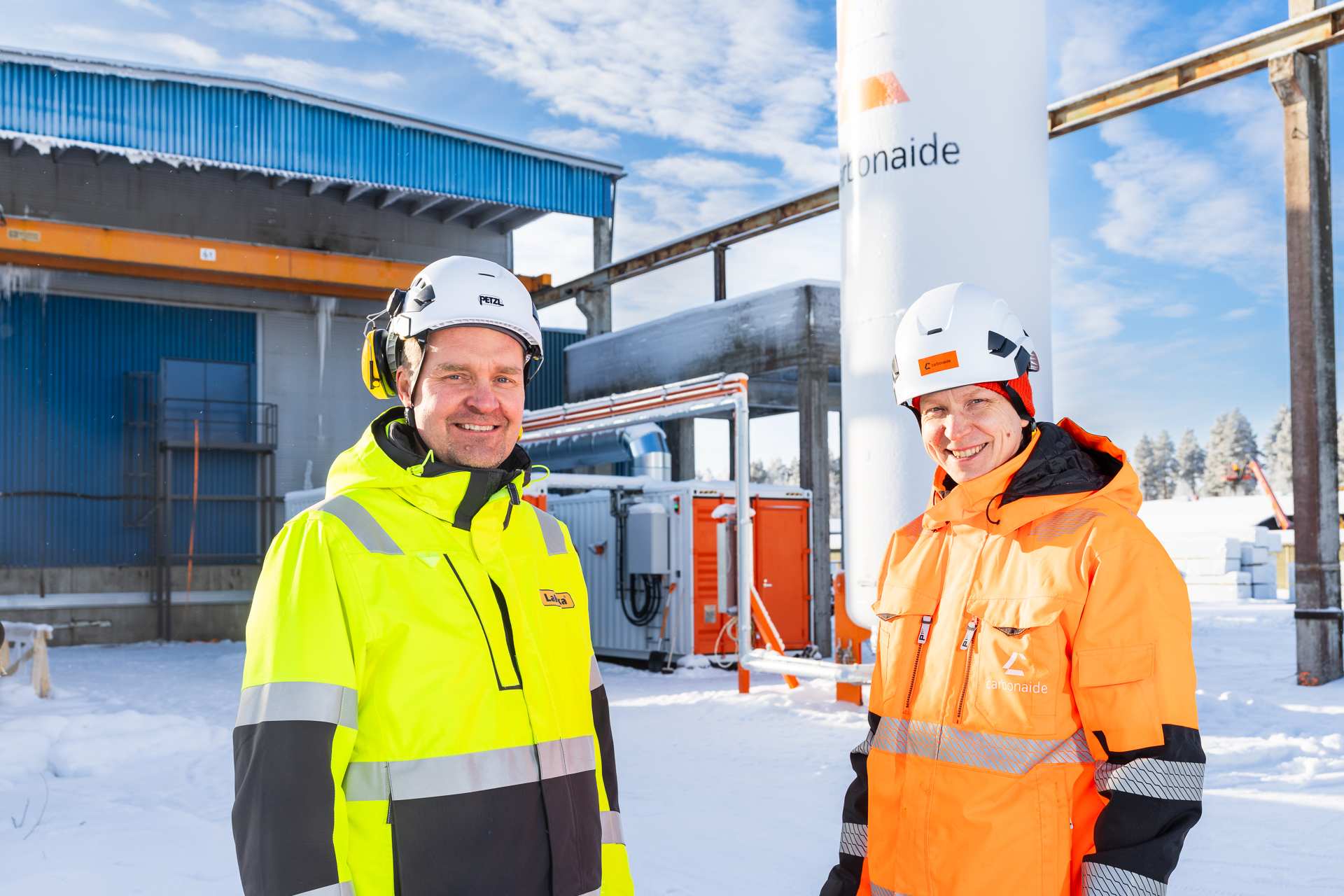
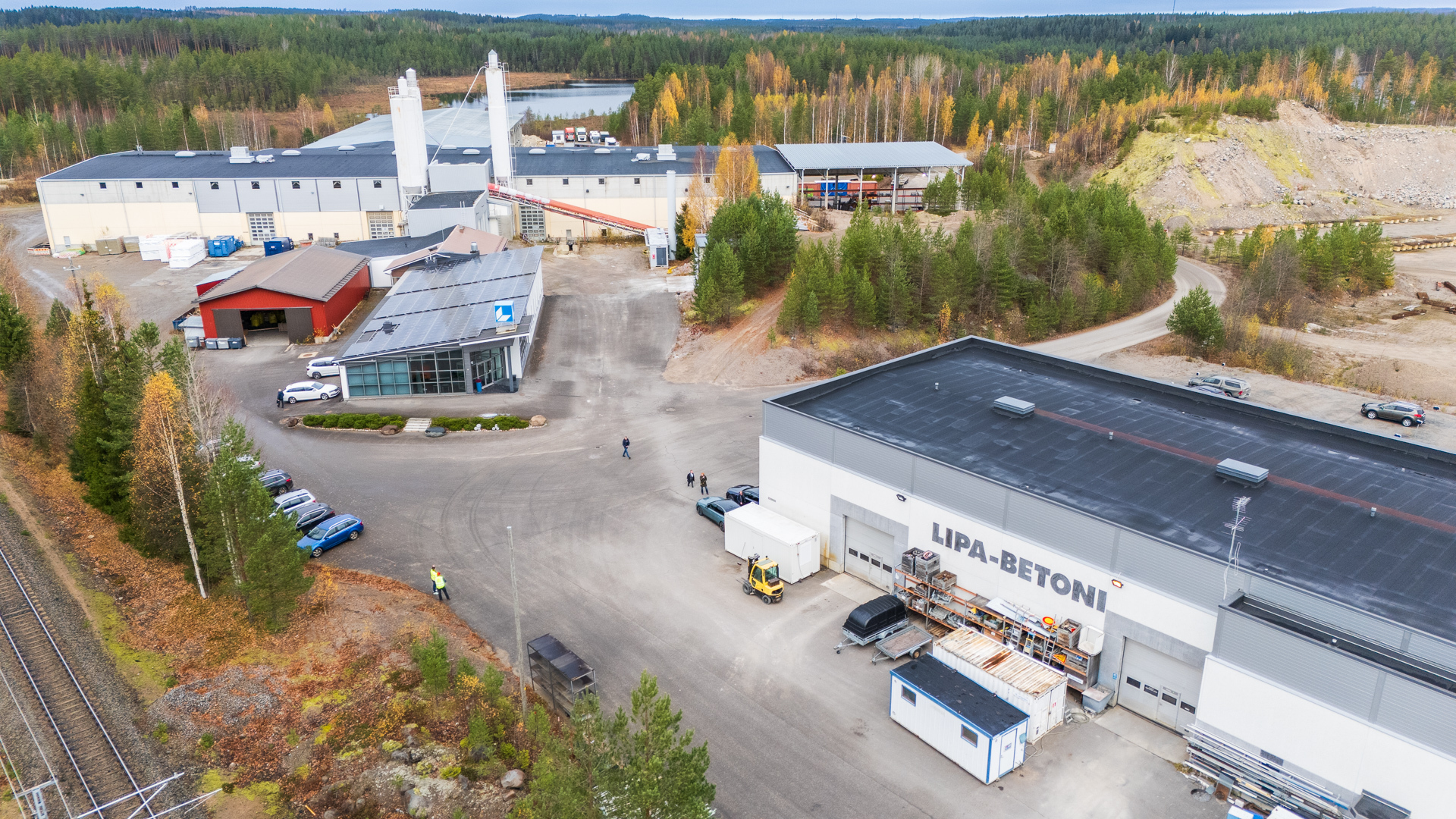
In August 2024, Carbonaide received a grant of 572.140€ from Itä-Suomen elinvoimakeskus (former ELY) to accelerate the commercialization of its CO₂ mineralization solution in precast concrete production. The funding has now delivered tangible results: the company’s first commercial technology system has been implemented at Lakka-konserni and is already in everyday use.
From project to commercial-scale deployment
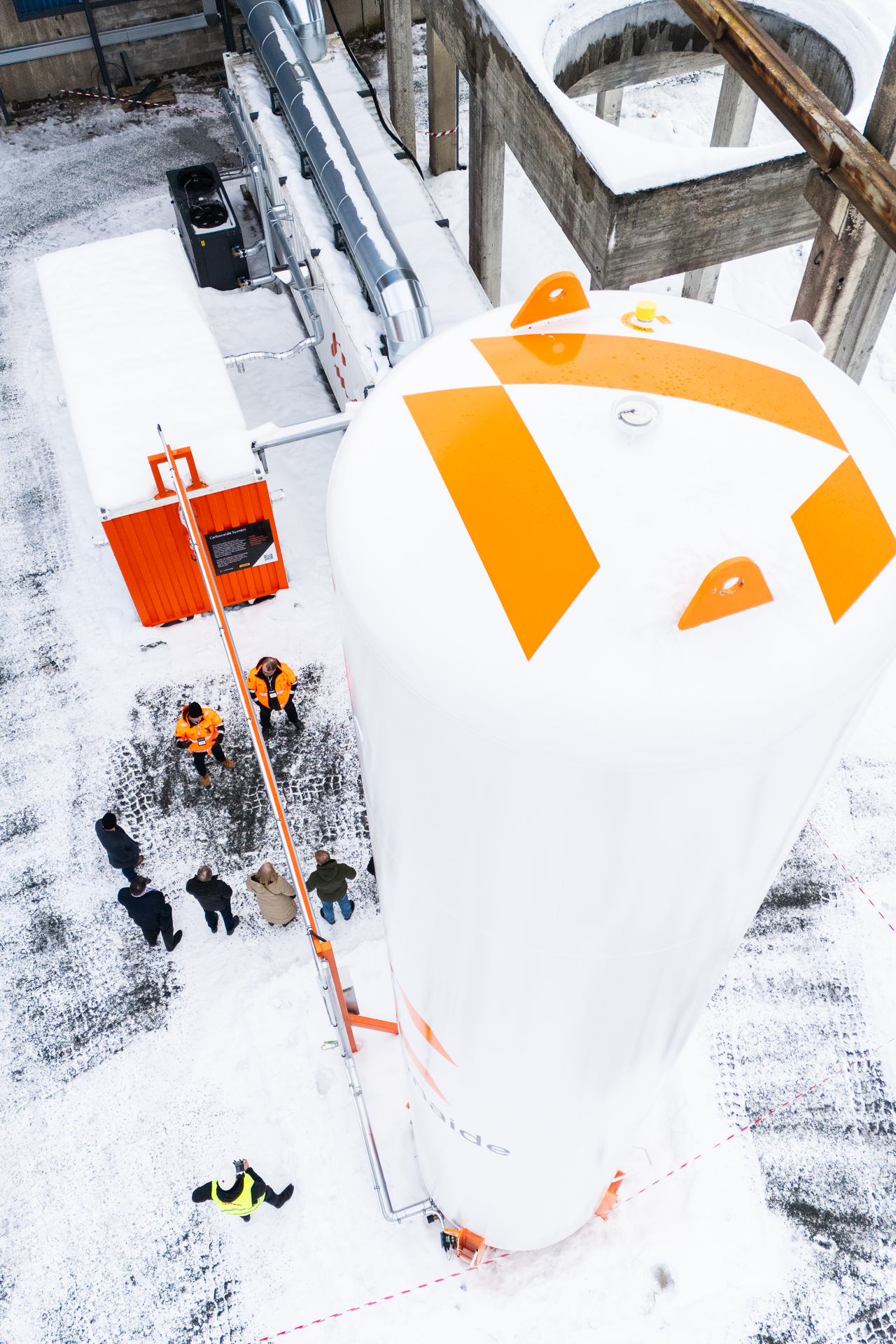
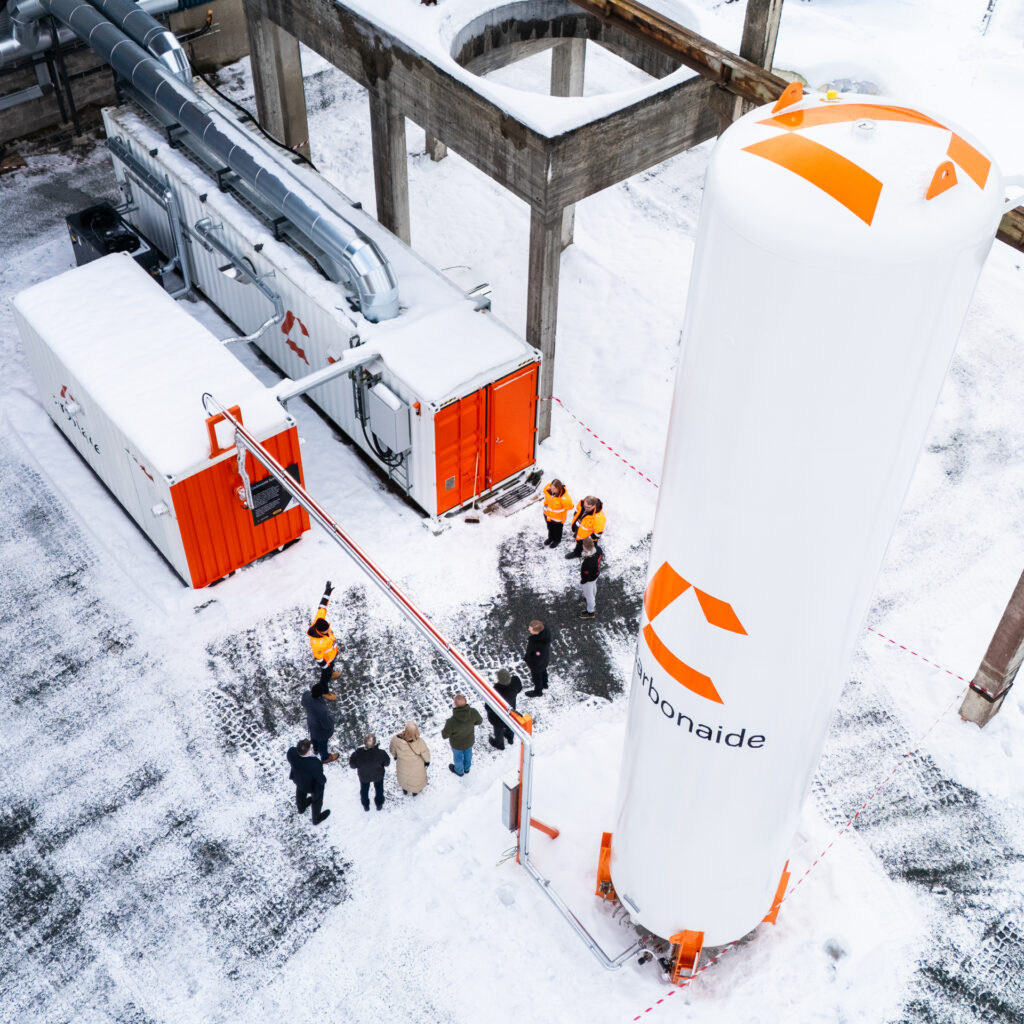
The installation at Lakka-konserni represents a major step forward for the industry. Rather than a pilot or demonstration, it is currently the largest carbon dioxide storage installation in the concrete sector operating in a commercial environment.
At Carbonaide, we utilized the project phase not only to deliver the system but also to refine it into a scalable product. The result is a proven CO₂ curing system that integrates seamlessly into existing precast production processes, enabling permanent storage of carbon dioxide while improving production efficiency and product performance.
Growing global interest towards low-carbon concrete production solutions
The successful deployment has triggered strong international interest. Concrete producers across multiple markets are now actively exploring Carbonaide’s solution as part of their decarbonisation strategies. New commercial users are expected to follow as the demand for low carbon concrete and optimized carbon footprints continues to grow.
This growing adoption demonstrates the value of a one-stop solution that combines CO₂ flow management, hardware, and a digital layer into a single system. Carbonaide’s expanding CO₂ partner network further supports customers in implementing carbon dioxide curing with reliable access to carbon dioxide streams.
Enabling new investments in carbon capture
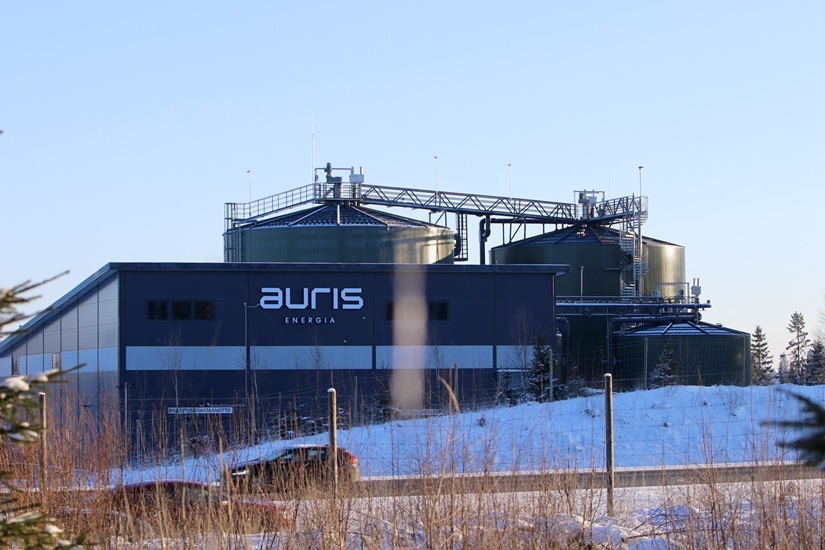
One of the most significant outcomes of the project has been its impact beyond the concrete value chain. As more producers adopt CO₂ mineralization, the demand for carbon dioxide has increased, creating momentum for new carbon capture initiatives. This has contributed to Finland’s first carbon capture investment in the biogas sector. Carbonaide’s partner, Auris Energia, has moved forward with an investment that will bring biogenic carbon dioxide into practical use, opening a new supply pathway for the industry. This development was not anticipated at the start of the project in late 2023, highlighting the broader system-level impact of scaling carbon dioxide utilization.
Strengthening carbon storage expertise and digital capabilities for real-time carbon storage monitoring
Alongside industrial deployment, the project has strengthened Carbonaide’s expertise and market position as a global provider of solutions that utilize and store carbon dioxide in the built environment. The experience gained during implementation has also led to the development of the Carbonaide Service Platform, which supports customers in process optimization, carbon dioxide management, and carbon credit tracking.

Project details
Duration: December 2023 – March 2026
Total budget: €1,266,220
EU funding: €572,140
Co-funded by the European Union, the project demonstrates how targeted investment can accelerate the transition of new technologies into commercial use. For Carbonaide, it marks an important step in transforming the construction industry by enabling permanent carbon storage in concrete at scale, delivering measurable emission reductions while improving material performance.

About Carbonaide
Carbonaide’s mission is to turn building materials from a large emission source into a carbon sink. With the Carbonaide CO₂ curing solutions, concrete manufacturers can utilise carbon dioxide to improve their production and permanently store carbon as carbonates in the products at the same time.