
Investing in a new technology that has the potential to revolutionize an industry is not an easy decision to make. The benefits can be huge, but it is difficult to estimate the return, especially if you work in a manufacturing business where typical investment times are long and the normal way of operating is about finetuning a process that has been more or less the same for decades.
My job at Carbonaide is to help with those investment calculations.
Investing in carbon dioxide curing technology is not just a step towards decarbonising the built environment, it’s a strategic move that can deliver measurable financial returns. But how do you calculate the return on such an investment?
During the past months, I have sat down with many concrete manufacturers and tried to estimate the ROI for carbon dioxide curing in their factories. In the following chapters, I will try break down the calculations and list the main items of the exercise.
CAPEX: What Does It Take to Get Started?
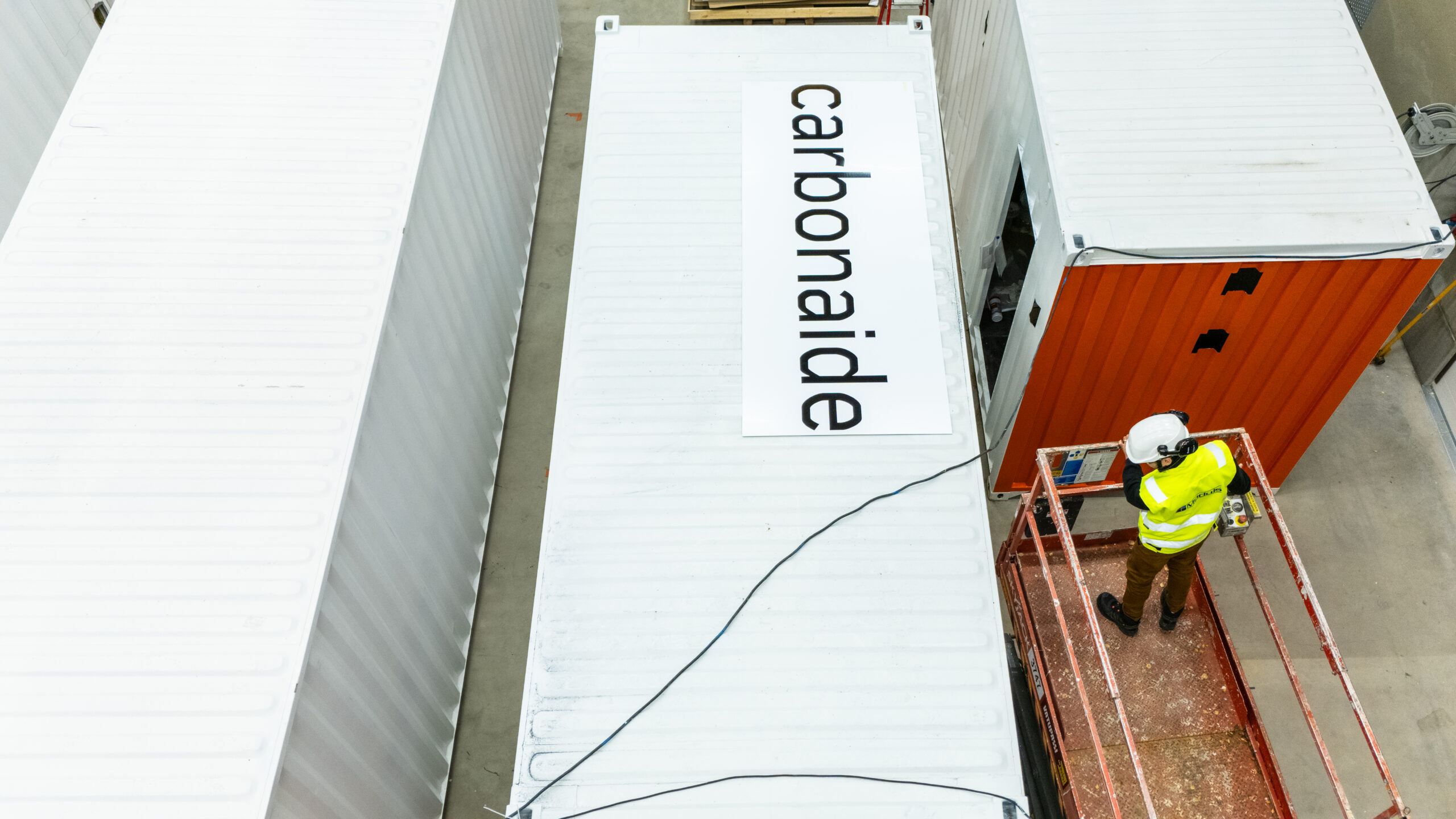
The core of the investment is the Carbonaide CO2 curing system. It is now a tested product that we deliver to the customer premises in a module that is ready to be connected.
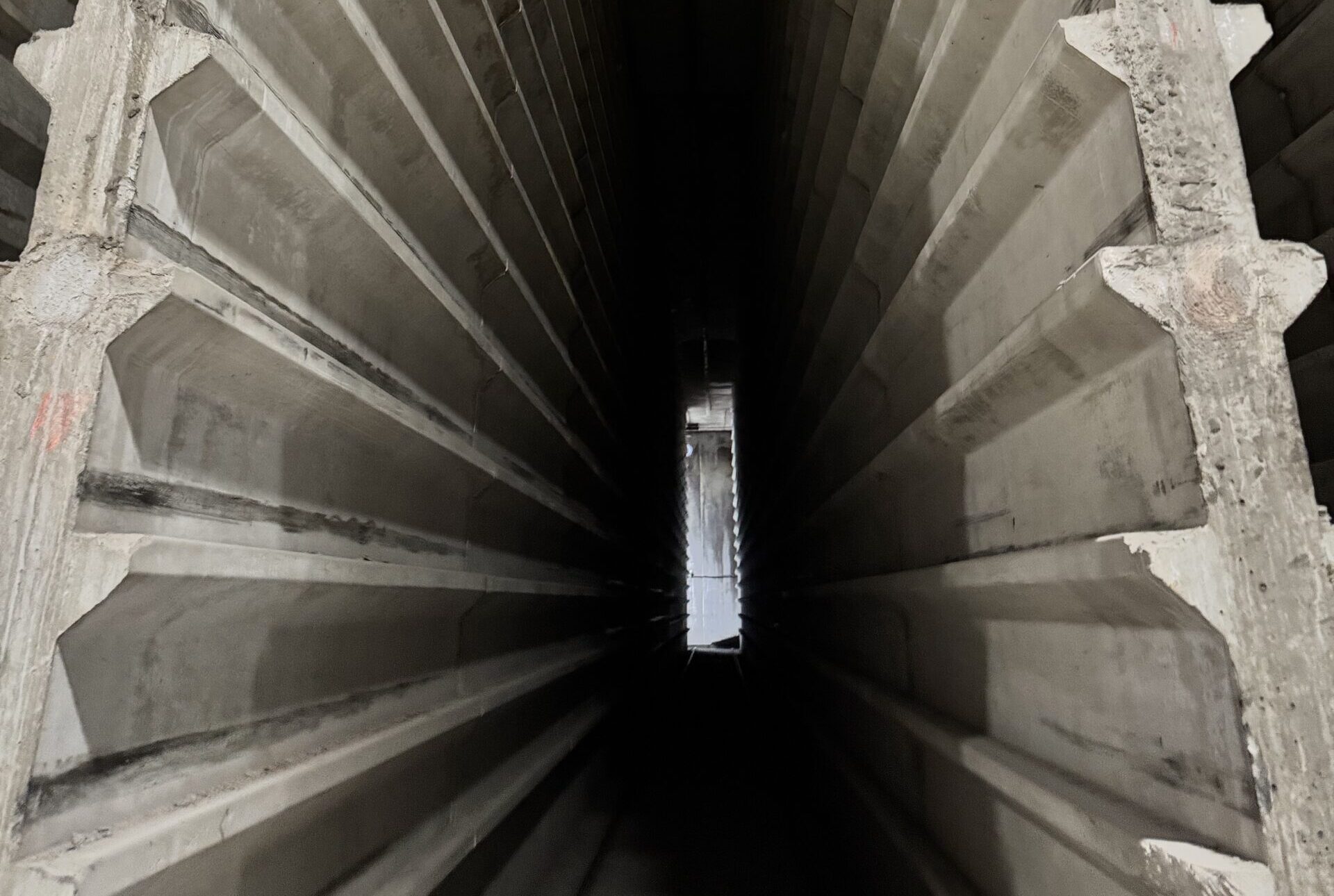
In a typical project, we are upgrading a curing chamber to support CO2 treatment of concrete. The delivery project also covers the delivery and assembly of chamber doors and the gas-tight ducts needed to connect the equipment to the chambers.
That’s the easy part of the calculations. The investment required obviously varies depending on chamber type, equipment layout and ducting needs, but the delivery is standardized and the price easy to estimate.
Depending on the setup, additional modifications may be required. Other construction-related costs – such as sealings on the walls, floor work, automation integration and utility connections – are typically handled by local contractors using Carbonaide specifications. These are essential for ensuring a gas-tight curing environment and the functionality of the Carbonaide system.

OPEX: Where the Savings Begin
Once installed, the system begins to deliver value and we can start counting the revenue and savings. These are the main operational components:
Cement Savings
Our CO2 mineralization process allows for up to 20 percent reduction in cement usage without compromising product quality. This alone significantly reduces both material costs and emissions. This is often the main driver for the investment.
Carbon Credits and Emission Reductions
By storing CO2 permanently in concrete, we can generate negative emissions and carbon credits. The credits can then be sold, creating a new source of revenue. Alternatively, the emission savings can be used to offset emissions, especially valuable in markets preparing for EU/ETS costs. Either way, the Carbonaide Service Platform will provide the needed quantification, verification and certification of carbon storage.
CO2 Costs
CO2 is the main input cost. For carbon credit eligibility, the source must be biogenic. At the moment, the price of biogenic carbon dioxide varies quite a bit from market to market, but we help identify and secure suitable local providers through our CO2 partner network. Interestingly, the price of cement and the price of carbon dioxide in many markets today is almost the same, which means that you save in cement costs what you have to pay for the CO2. The credit sales income for carbon storage is then almost pure return on the investment!
Energy and Utilities
There are also operational costs related to electricity, water and draining needs for the curing system. These are typically smaller compared to the other items on the list, but can be included in the calculations once we know the curing conditions and factors, such as temperature, humidity, type of product etc.
Carbonaide Service Platform
The Carbonaide Service Platform fee is based on the amount of CO2 processed. It includes all measurements, the CO2 flow management and control, and credits certification. If needed, we can also offer full-service carbon credit handling.
Additional ROI Drivers for CO2 Usage in Concrete Production
Faster Curing, Increased Capacity
Carbon dioxide curing can significantly reduce curing times. This unlocks higher throughput and better alignment with production shifts, especially valuable if curing is a bottleneck in production. The ROI here can simply come from avoiding investments to new production lines or curing chamber expansions. The faster curing also brings about inventory savings. With increased capacity, factories will need less seasonal buffers and storage space.
Market Advantage
In some regions, low carbon concrete can command a price premium or be a prerequisite for bidding on projects. While we don’t include this in our base ROI calculations, it’s a strategic advantage worth noting.
Let’s Build Your Business Case and Calculate the ROI of Your CO₂ Curing System
The ROI period of the carbon dioxide curing investment varies depending on your production setup and optimisation goals – whether you prioritise cement savings, curing speed or carbon credit generation.
During our visits to concrete plants, we have created a simplified ROI calculator for our carbon dioxide curing solution. To get going with the calculations and tailoring the ROI calculation to your operations, we’ll need:
- Estimated production volume
- Product and cement types
- Cement content per product
- Cement cost
- Curing chamber size and type
- Typical curing times
- Biogenic CO₂ pricing in the local markets
- Emission cost assumptions (EU/ETS, local carbon tax, internal pricing etc.)
If you want to see how the calculations work with real numbers, you can check Part 2: Real-life numbers for calculating the ROI of a carbon storage investment in a concrete factory
We recommend a dedicated planning session to run detailed calculations. Get in touch and we can book a meeting to check the assumptions together and go through the ROI model for your local markets.

About Carbonaide
Carbonaide makes carbon-negative concrete economically viable. With the Carbonaide CO₂ solution, concrete manufacturers can utilise carbon dioxide to improve their products and store carbon permanently.