
Concrete is a composite material made from cement, aggregates (sand and gravel), and water that forms the backbone of modern construction. When these ingredients mix, they create a chemical reaction called hydration that transforms the liquid mixture into a strong, durable solid. This versatile material shapes our cities, roads, and infrastructure because it is affordable, long-lasting, and can be moulded into virtually any shape before it hardens.
What exactly is concrete and why is it everywhere?
Concrete is a composite material consisting of three basic ingredients that work together to create one of the world’s most important building materials:
- Cement – Acts as the binding agent that holds all components together through chemical reaction
- Aggregates – Sand, gravel, or crushed stone that provide bulk, strength, and reduce overall cost
- Water – Triggers the hydration process and allows the mixture to be shaped before hardening
These three components create a synergistic effect where the whole becomes greater than the sum of its parts. The magic happens through hydration, where cement reacts with water to form calcium silicate hydrate gel that binds the aggregates together, creating a solid mass that continues strengthening over time.
Concrete dominates construction worldwide because it offers unmatched versatility, durability, and cost-effectiveness. It can be poured into moulds to create complex shapes, from delicate architectural features to massive dam structures, while lasting for decades with minimal maintenance using widely available, inexpensive raw materials.
How is concrete actually made from start to finish?
Concrete manufacturing follows a precise sequence that requires careful control of proportions and timing to achieve the desired strength and durability:
- Batching – Raw materials are measured according to specific ratios that determine the final concrete’s strength and characteristics
- Mixing – Ingredients are combined in rotating drum mixers until achieving uniform consistency throughout the mixture
- Placement – Fresh concrete is transported and poured into forms within a limited working time before setting begins
- Consolidation – Air bubbles are removed through vibration to prevent weak spots and ensure maximum density
- Curing – The concrete hardens and gains strength over time, reaching full potential through proper moisture and temperature control
This systematic approach ensures consistent quality from batch to batch. The curing stage is particularly critical, as it can take several hours for initial setting and continues for weeks as the material develops its full strength potential, making proper curing conditions essential for optimal concrete performance.
What’s the difference between cement and concrete?
Understanding the distinction between cement and concrete is crucial for anyone involved in construction or simply curious about building materials:
- Cement – A fine powder made from limestone, clay, and minerals that acts as the binding ingredient in concrete
- Concrete – The final composite material created by combining cement with aggregates and water
- Portland cement – The most common cement type, manufactured by heating limestone and clay in kilns then grinding into reactive powder
- Cement paste – What forms when cement mixes with water, creating the glue that binds aggregates together
Think of cement as flour in bread – it’s essential, but you need other ingredients to make the finished product. The relationship between these materials is symbiotic: cement paste fills spaces between aggregate particles and binds them into a solid mass, while aggregates provide bulk, reduce costs, and improve the concrete’s overall strength and durability. Without this combination, you would have only expensive cement paste that would be prone to cracking.
How is modern concrete production becoming more sustainable?
The concrete industry is undergoing a significant transformation to address environmental concerns through innovative approaches that maintain performance while reducing carbon footprint:
- Alternative binders – Alkali-activated materials and geopolymers that partially or completely replace Portland cement using industrial by-products
- Carbon utilization technology – Processes that mineralize CO₂ directly into concrete structure during curing, permanently storing carbon
- Chemical admixtures – Plasticizers and other additives that reduce water content and allow for lower cement usage while maintaining workability
- Waste material incorporation – Using industrial by-products such as slag or ash to give new life to waste materials in concrete production
- Accelerated curing processes – Technologies that speed up strengthening while reducing energy consumption and emissions
These advances represent a fundamental shift in how the industry approaches sustainability, transforming concrete production from a significant emission source into a potential carbon storage solution. The integration of waste materials, carbon capture technologies, and optimized chemical formulations demonstrates that environmental responsibility and structural performance can work hand in hand.
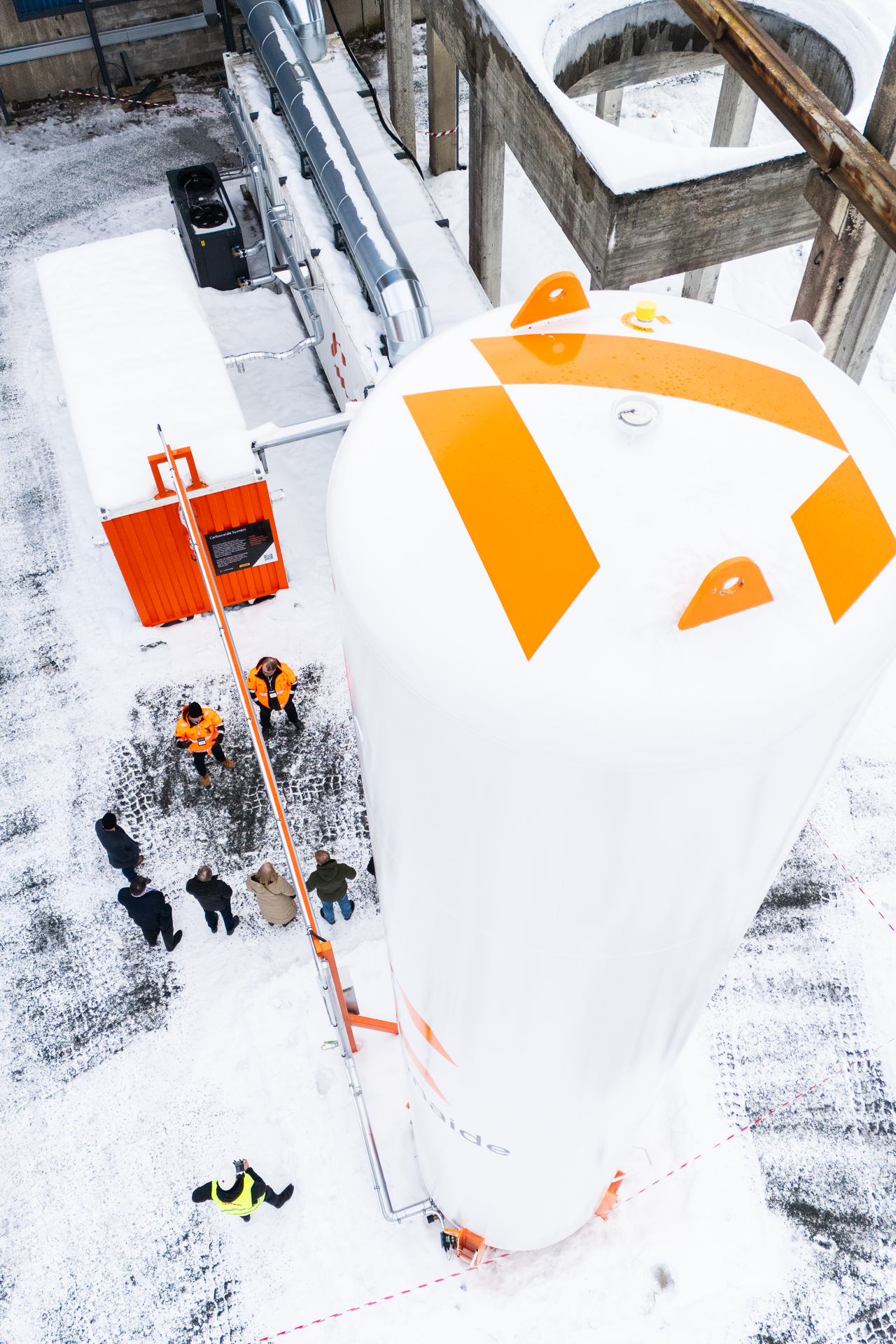
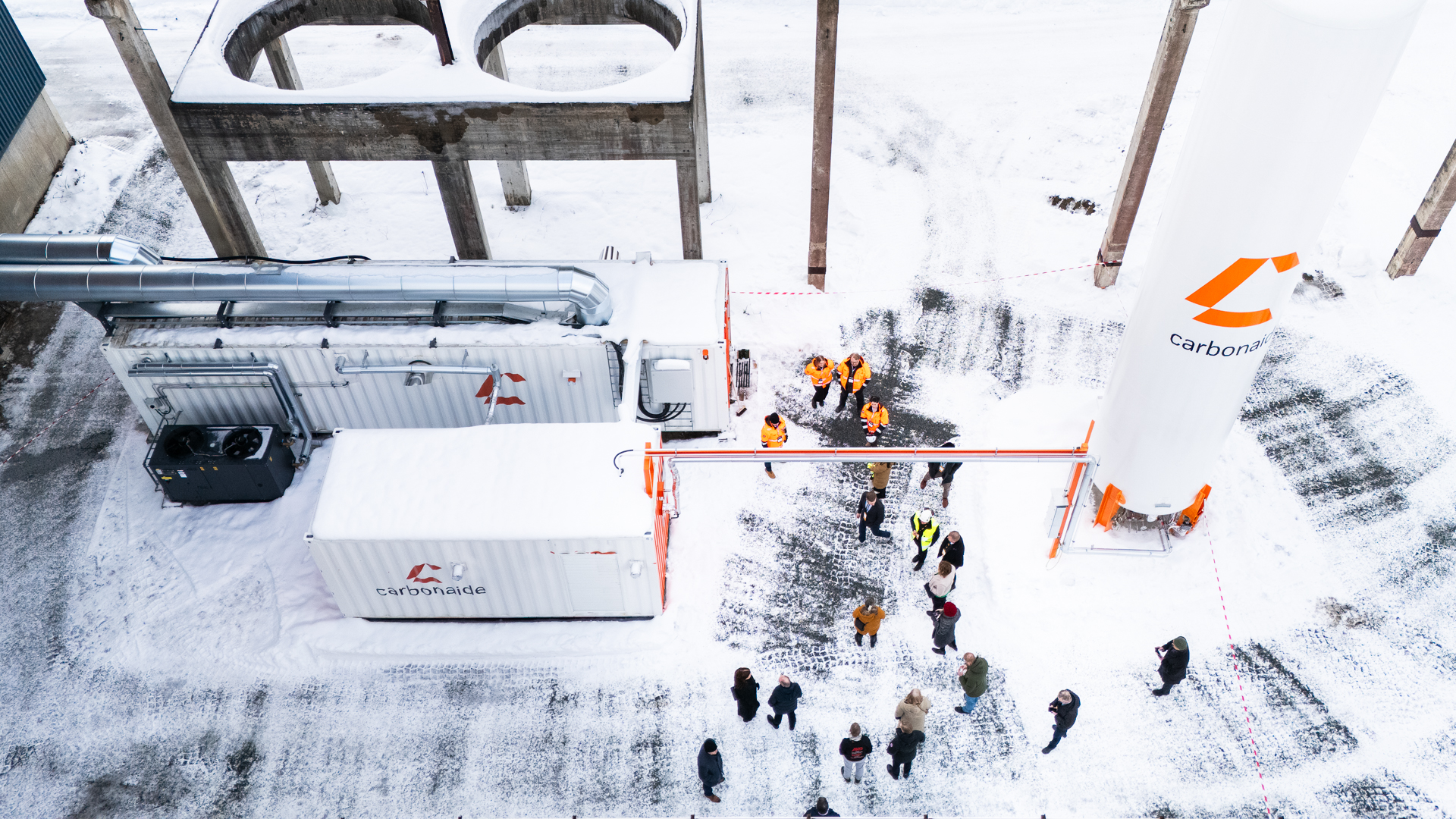
We are pioneering carbon dioxide utilization technology that transforms concrete production from an emission source into a carbon storage solution. Our automated CO₂ curing system mineralizes carbon dioxide directly into precast concrete, creating stronger products faster while permanently storing carbon in building materials. This approach represents the future of concrete production – where construction materials become part of the climate solution rather than the problem.
If you are interested in learning more, contact our team of experts today.