
Embodied carbon in concrete products refers to the total greenhouse gas emissions produced during the entire lifecycle of concrete manufacturing, from raw material extraction through production processes. This includes emissions from cement production, aggregate mining, transportation, and manufacturing operations. Concrete has particularly high embodied carbon because cement production involves chemical reactions that naturally release large amounts of carbon dioxide into the atmosphere.
What exactly is embodied carbon in concrete products?
Embodied carbon represents all greenhouse gas emissions generated throughout concrete’s production lifecycle, from quarrying raw materials to delivering finished products. Unlike operational emissions from building energy use, embodied carbon is locked into the material before construction even begins.
The concept encompasses every emission-producing step in concrete manufacturing:
- Raw material extraction: Energy-intensive mining operations for limestone, sand, and aggregates that require heavy machinery and processing equipment
- Transportation emissions: Moving materials from quarries to cement plants and concrete facilities, often over significant distances
- Cement production process: Heating limestone to extremely high temperatures, triggering chemical reactions that release carbon dioxide directly from the limestone’s chemical structure
- Manufacturing operations: Energy consumption during mixing, batching, and quality control processes at concrete plants
These interconnected processes create concrete’s substantial carbon footprint, with cement production being the dominant contributor due to both its energy requirements and unavoidable chemical emissions. This makes concrete fundamentally different from materials like steel or timber, where emissions come primarily from energy use rather than chemical necessity, establishing embodied carbon as an inherent characteristic that must be addressed through innovative production methods.
Why does concrete have such a massive carbon footprint?
Concrete’s enormous carbon footprint stems from cement production processes that chemically require the release of carbon dioxide, combined with the massive global scale of concrete usage in construction worldwide.
The cement manufacturing process creates emissions through two unavoidable sources:
- Process emissions: Limestone (calcium carbonate) heated to create clinker naturally releases carbon dioxide as it transforms into lime through chemical decomposition
- Energy emissions: Fossil fuels needed to heat cement kilns to temperatures exceeding 1,450 degrees Celsius for the chemical transformation to occur
- Scale amplification: Concrete serves as the foundation for virtually every building, road, bridge, and infrastructure project globally
- Volume dependency: The construction industry uses more concrete than any other material except water, making even small carbon improvements significant
- Limited alternatives: Unlike other industries where cleaner substitutes exist, concrete remains irreplaceable for many structural applications
This combination of chemical necessity and unprecedented scale creates a unique environmental challenge where traditional emission reduction strategies prove insufficient. The problem intensifies as developing nations rapidly expand their infrastructure, driving concrete demand to new heights while the industry searches for breakthrough technologies that can fundamentally transform how concrete interacts with atmospheric carbon.
How much embodied carbon does typical concrete actually contain?
Traditional concrete typically contains substantial embodied carbon per cubic metre, with the exact amount varying based on cement content, mix design, and the production methods used by manufacturers.
Concrete’s carbon footprint calculation includes multiple measurable components:
- Cement contribution: The largest portion, with each tonne of cement production releasing significant carbon dioxide through chemical processes and energy requirements
- Aggregate extraction: Emissions from quarrying, crushing, and processing sand, gravel, and stone materials
- Transportation distances: Fuel consumption for moving materials from quarries to plants and delivering ready-mixed concrete to construction sites
- Mixing operations: Energy used in batching plants for combining materials and quality control processes
- Mix design variations: High-strength concrete requiring more cement generates higher emissions per cubic metre than standard mixes
The industry measures these emissions using lifecycle assessment methodologies that provide comprehensive tracking from raw material extraction through ready-mixed concrete delivery. When compared to other building materials, concrete’s embodied carbon sits at the higher end of the spectrum alongside steel, while timber and bio-based materials show much lower footprints but cannot replace concrete in applications requiring high compressive strength and durability.
What’s the difference between embodied carbon and operational carbon in buildings?
Embodied carbon represents emissions from building materials and construction processes, while operational carbon comes from ongoing energy use for heating, cooling, lighting, and other building operations throughout the structure’s lifetime.
These two carbon types differ fundamentally in timing and control:
- Embodied carbon timing: Locked in during construction and cannot be changed once the building is complete, occurring upfront before any useful service
- Operational carbon accumulation: Accumulates continuously as buildings consume energy for daily operations over decades
- Reduction strategies: Embodied carbon requires material substitutions and production innovations, while operational carbon responds to efficiency improvements and renewable energy
- Modern building trends: Energy-efficient buildings with excellent insulation produce lower operational emissions, making embodied carbon a larger percentage of total impact
- Control opportunities: Operational emissions can be reduced through building management and energy choices, while embodied emissions are permanent
This fundamental difference has shifted the construction industry’s focus toward material choices as buildings become increasingly energy-efficient. Both carbon types contribute to total climate impact, but the growing dominance of embodied carbon in high-performance buildings makes concrete selection and production methods critical factors in achieving meaningful emission reductions across the building sector.
How can concrete manufacturers reduce embodied carbon in their products?
Concrete manufacturers can reduce embodied carbon through cement content reduction, alternative binders, and innovative production technologies that transform concrete from a carbon source into a carbon storage solution.
Manufacturers can implement several approaches across different technological maturity levels:
- Supplementary cementitious materials: Replace portions of cement with slag or ash from industrial processes while maintaining concrete strength, though requiring cement for activation
- Mix design optimisation: Use minimum cement content while meeting performance requirements through precise engineering and testing
- Alternative binders: Deploy alkali-activated materials and geopolymers that can completely replace cement in certain applications, though requiring different production processes
- Carbon dioxide curing technology: Enable higher cement replacement rates while permanently storing CO₂ within concrete products through mineralisation processes
- Production efficiency improvements: Reduce energy consumption through kiln optimisation, waste heat recovery, and renewable energy integration
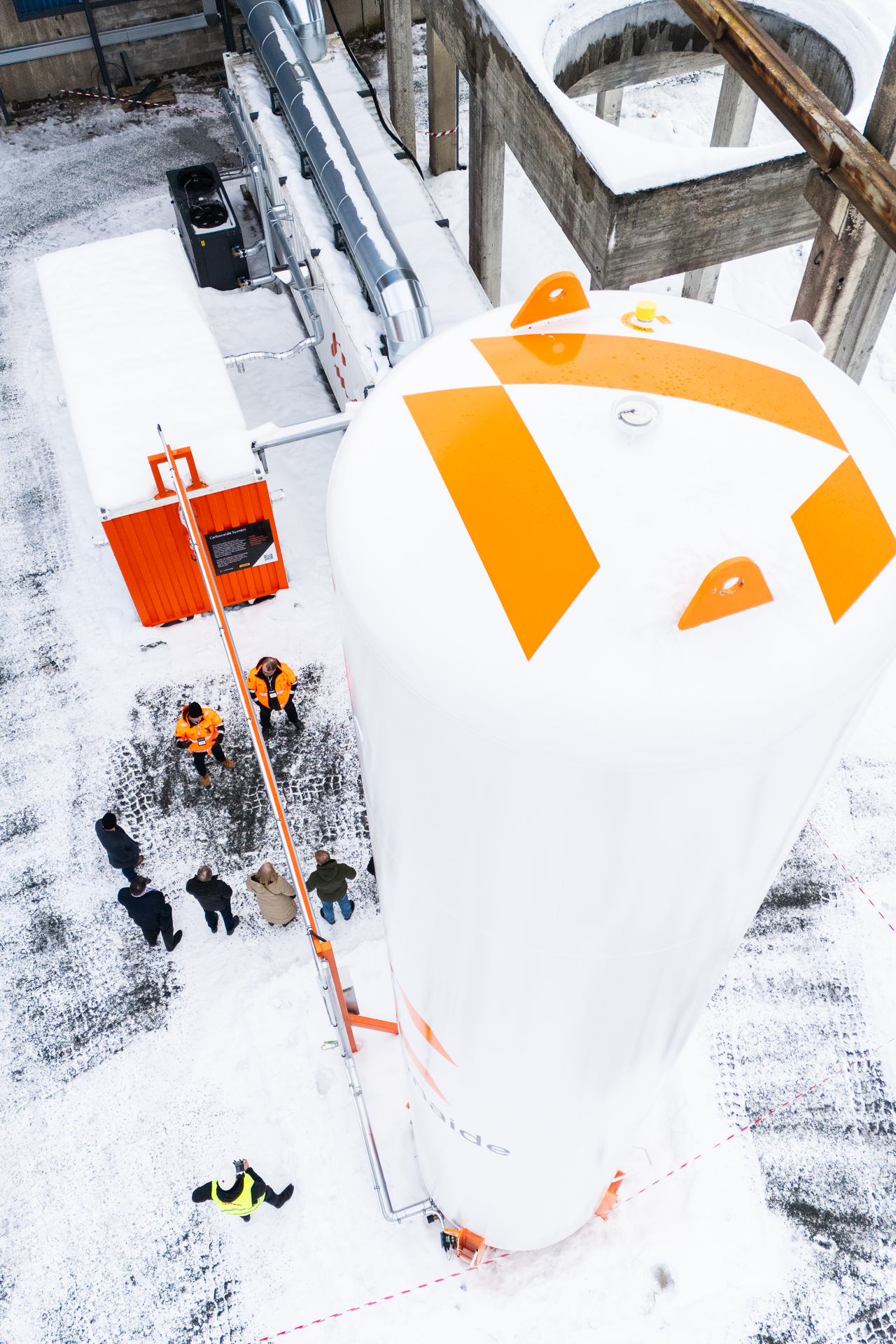
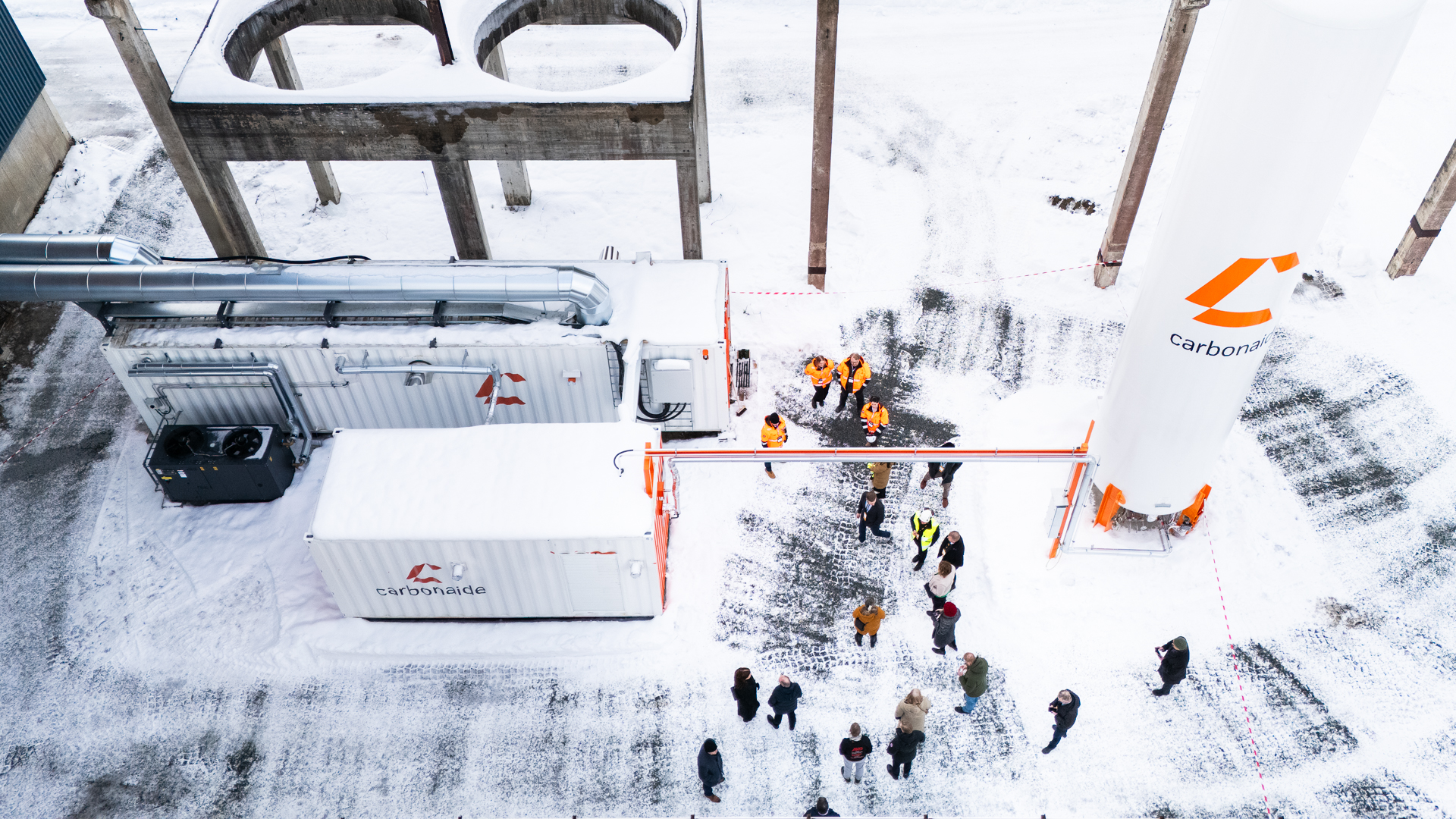
These strategies represent a progression from incremental improvements to transformational technologies that fundamentally change concrete’s relationship with atmospheric carbon. The most promising approaches, such as CO₂ curing systems, address multiple challenges simultaneously by reducing cement requirements, accelerating production times, and converting concrete from an emission source into a carbon storage solution. The Carbonaide CO₂ Curing System exemplifies this comprehensive approach, demonstrating how manufacturers can achieve cheaper, faster, stronger, and greener concrete production while permanently storing carbon dioxide within the concrete matrix, ultimately transforming the construction industry’s environmental impact.