
The business case for low-carbon concrete production centres on three compelling advantages: significant cost savings through reduced cement requirements, faster production cycles, and competitive positioning in an increasingly regulated market. Manufacturers can achieve substantial operational improvements while meeting growing environmental demands from customers and regulators. This comprehensive analysis addresses the key questions manufacturers face when evaluating low-carbon production methods.
What exactly is low-carbon concrete and why does it matter for manufacturers?
Low-carbon concrete reduces greenhouse gas emissions through alternative production methods that maintain structural performance while minimising environmental impact. Traditional concrete production contributes significantly to global emissions, making concrete the most carbon-intensive building material in construction.
The concrete industry faces mounting pressure to address its environmental footprint through several key factors:
- High-temperature kiln requirements: Conventional concrete production relies heavily on Portland cement, which requires energy-intensive kilns that consume substantial energy and release stored carbon from limestone
- Dual emission sources: This process creates both direct emissions from limestone decomposition and indirect emissions from energy consumption
- Regulatory pressure: Environmental standards increasingly target construction industry emissions, requiring proactive solutions
- Customer demand: Growing environmental awareness drives market preference for sustainable building materials
These environmental challenges create both compliance risks and market opportunities, making low-carbon alternatives essential for manufacturers seeking long-term competitiveness. The industry’s carbon footprint has reached a tipping point where sustainable production methods are transitioning from optional to necessary for business success.
Low-carbon concrete addresses these challenges through several approaches. Carbon dioxide curing technology transforms the production process by infusing CO₂ during manufacturing, which alters concrete characteristics through carbonation reactions. This process can enhance certain concrete properties while requiring adjustments to traditional manufacturing techniques.
Alternative methods include using supplementary cementitious materials (SCMs) that replace portions of traditional cement. These materials often come from industrial by-products, turning waste streams into valuable concrete components. The carbonation process activates previously passive materials, expanding the range of usable industrial waste materials as cement replacements.
How much money can manufacturers actually save with low-carbon concrete production?
Manufacturers achieve cost savings through multiple financial benefits that compound over time:
- Cement reduction savings: Cement represents a major expense in concrete production, so reducing cement requirements directly impacts profitability while maintaining product quality
- Accelerated production cycles: CO₂ curing technology delivers faster curing times compared to traditional methods, increasing manufacturing throughput without compromising quality
- Improved facility utilisation: Production acceleration allows manufacturers to produce more concrete in the same timeframe, reducing per-unit overhead costs
- Dual-benefit efficiency: Environmental compliance and production improvements happen simultaneously, eliminating the need for separate carbon mitigation strategies
These savings create a compounding effect where manufacturers achieve environmental goals while improving their bottom line rather than treating sustainability as an additional cost centre. The financial benefits become more pronounced over time as environmental regulations tighten and sustainable materials command premium pricing.
The most immediate savings come from cement reduction. Industrial implementations demonstrate successful cement replacement using calcium-rich materials that would otherwise be unusable in standard concrete production. The Carbonaide CO₂ curing process achieves high cement replacement rates while maintaining concrete performance standards.
What are the biggest challenges manufacturers face when switching to low-carbon methods?
Implementation barriers require careful planning but can be managed through proper support and phased approaches:
- Technical integration complexity: Existing concrete production facilities need curing chamber modifications to accommodate CO₂ mineralisation processes
- Quality assurance adjustments: Carbon dioxide infusion changes concrete’s chemical composition through carbonation, affecting strength development, durability, and curing behaviour
- Workforce training requirements: New processes influence mixing procedures, curing times, and quality control protocols
- Initial investment concerns: Equipment procurement and facility modifications require upfront capital investment
- Process standardisation: Manufacturing procedures require modifications to accommodate CO₂ injection and ensure proper distribution throughout the concrete matrix
While these challenges appear significant, comprehensive support services and established supply networks have streamlined the transition process for manufacturers. Professional project management, maintenance services, and supplier relationships reduce implementation complexity and ensure successful adoption of low-carbon production methods.
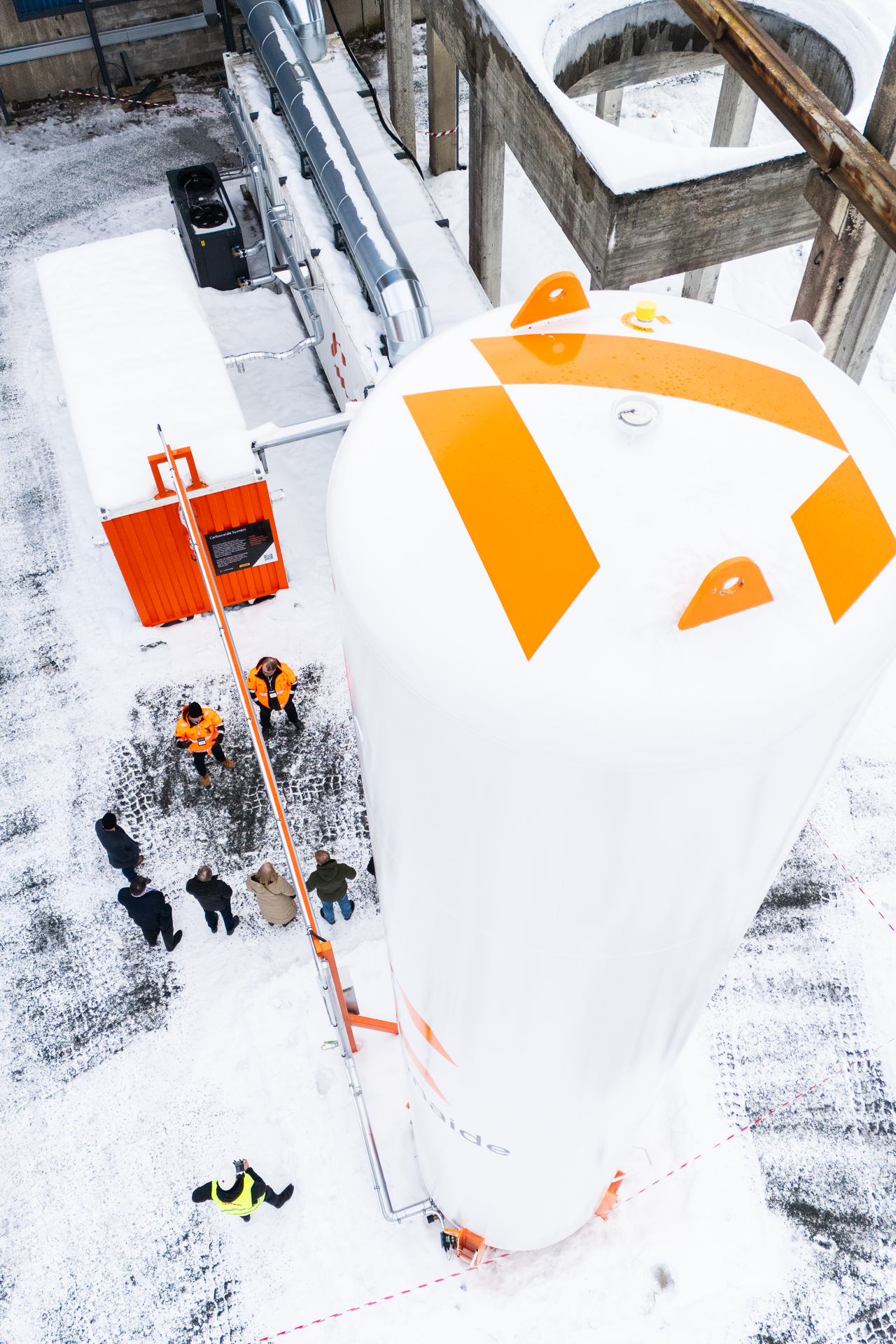
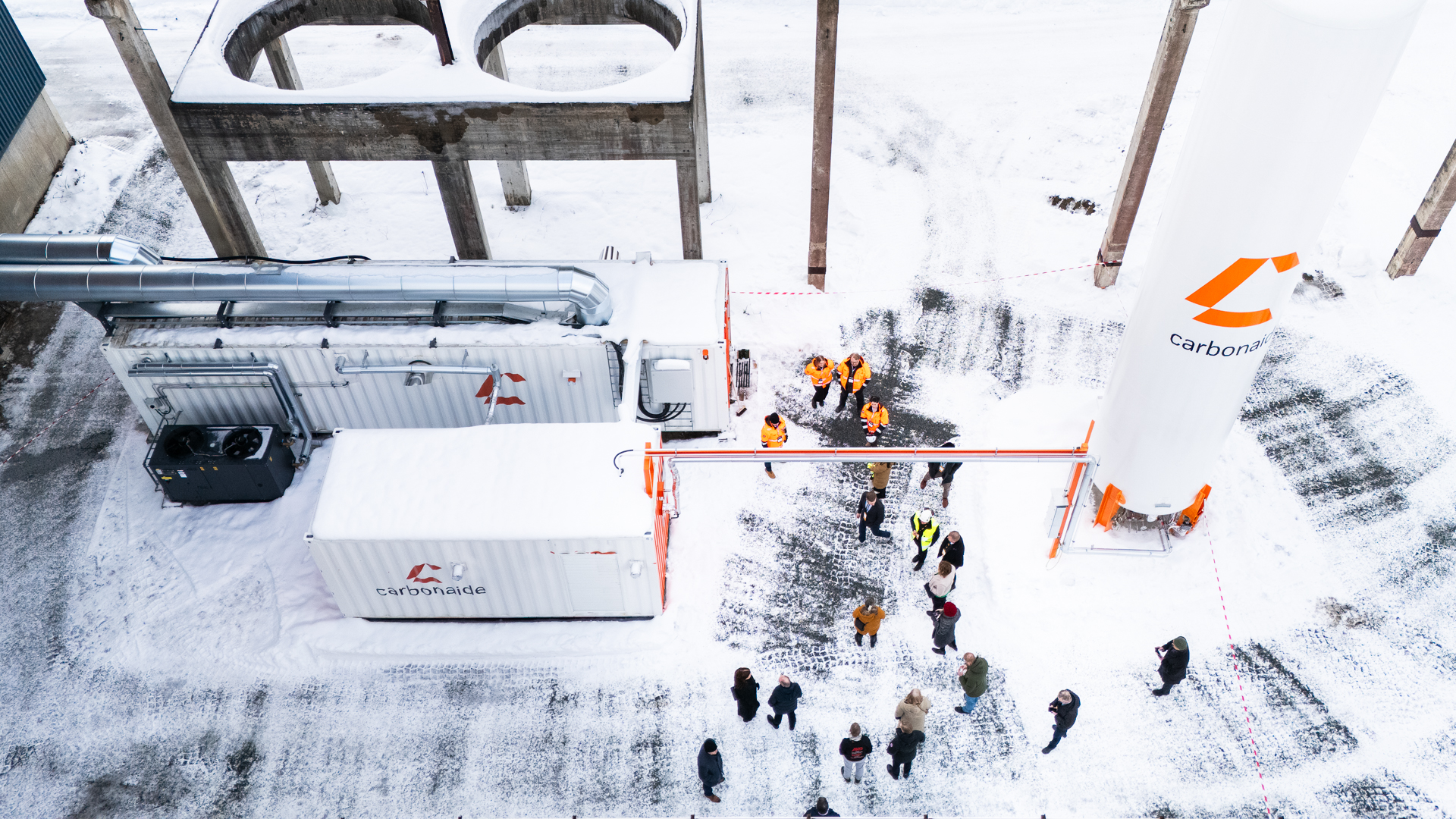
Technical integration represents the most complex challenge. The Carbonaide team provides design and specification services for infrastructure changes, ensuring curing chamber adaptations maintain concrete quality while adding carbon storage capabilities. Supply partner networks provide specialised mineralisation hardware components, ensuring equipment compatibility and reducing implementation complexity for concrete producers.
How do customers and regulations drive demand for low-carbon concrete?
Market forces creating demand include multiple interconnected drivers that reinforce each other:
- Government regulations: Building codes, carbon pricing, and environmental standards increasingly target construction industry emissions
- Green building certifications: LEED, BREEAM, and similar programmes award points for using low-carbon materials
- Corporate sustainability commitments: Large construction companies set emissions reduction targets requiring measurable supplier improvements
- Customer environmental awareness: Growing market preference for environmentally responsible construction materials affects purchasing decisions
- Public project requirements: Government and commercial developments increasingly specify environmental requirements in procurement
These market drivers create both compliance requirements and competitive opportunities, transforming environmental benefits from optional features into competitive necessities. Manufacturers who can provide documented environmental benefits gain preferential access to growing market segments focused on sustainability.
Green building certifications particularly influence demand as construction companies pursuing these certifications actively seek concrete suppliers who can provide documented environmental benefits. Carbon credit verification capabilities enable accurate reporting of environmental benefits and support carbon credit generation when required, adding another revenue stream for manufacturers.
What competitive advantages do early adopters of low-carbon concrete gain?
Strategic benefits create sustainable competitive advantages that compound over time:
- Market differentiation: Proven low-carbon capabilities enable premium pricing and long-term contracts with environmentally conscious customers
- Project access expansion: Government projects, green building developments, and corporate construction increasingly specify environmental requirements
- Regulatory compliance positioning: Proactive adoption provides protection against future environmental regulations without costly retrofitting
- Long-term cost advantages: Combination of cement savings, production efficiency improvements, and regulatory compliance creates sustainable benefits
- Barrier creation: Early market leadership establishes customer relationships and operational expertise that competitors struggle to replicate quickly
These advantages create a virtuous cycle where early adopters strengthen their market position while competitors face increasing pressure to catch up. The combination of operational benefits, regulatory protection, and market access creates barriers that become more difficult to overcome as environmental standards continue tightening across the construction industry.