
Global temperatures are on track to exceed the 1.5°C target set in the Paris Agreement. Even if countries deliver on their Nationally Determined Contributions, projections point to a warming of 2.3°C to 2.5°C by the end of this century. This overshoot increases climate risks and pushes ecosystems closer to tipping points. Returning to 1.5°C is possible, but it requires deep emission reductions of hard-to-abate sectors and scaling of carbon dioxide removal to lower atmospheric CO₂ levels.
Deployment of CDR is unavoidable if net zero is to be achieved
Even rapid decarbonisation across hard-to-abate sectors will not eliminate all emissions. Aviation, shipping, steel, cement, and agriculture will continue to generate residual emissions due to their processes and energy needs. These emissions must be neutralized with carbon dioxide removal to reach net‑zero. Once net zero is reached, the next step is net‑negative emissions. In this phase, removals will exceed residual emissions and help reduce atmospheric CO₂ levels.
Two new studies conclude that stabilizing global temperatures in line with the 1.5°C target will require centuries long net-negative carbon dioxide emissions. The first study focuses on the role of net-negative emissions in halting delayed climate impacts, such as rising sea levels and cumulative CO₂ releases from thawing permafrost. The second study underlines the importance of fit-for-purpose climate policy to take into account uncertainties in Earth system. The findings call for precautionary approaches – reaching net-zero targets a decade earlier and doubling of the near-term carbon price. Centuries long net-negative emissions are needed not only to reverse the temperature overshoot, but most importantly to mitigate long-term Earth system risks.
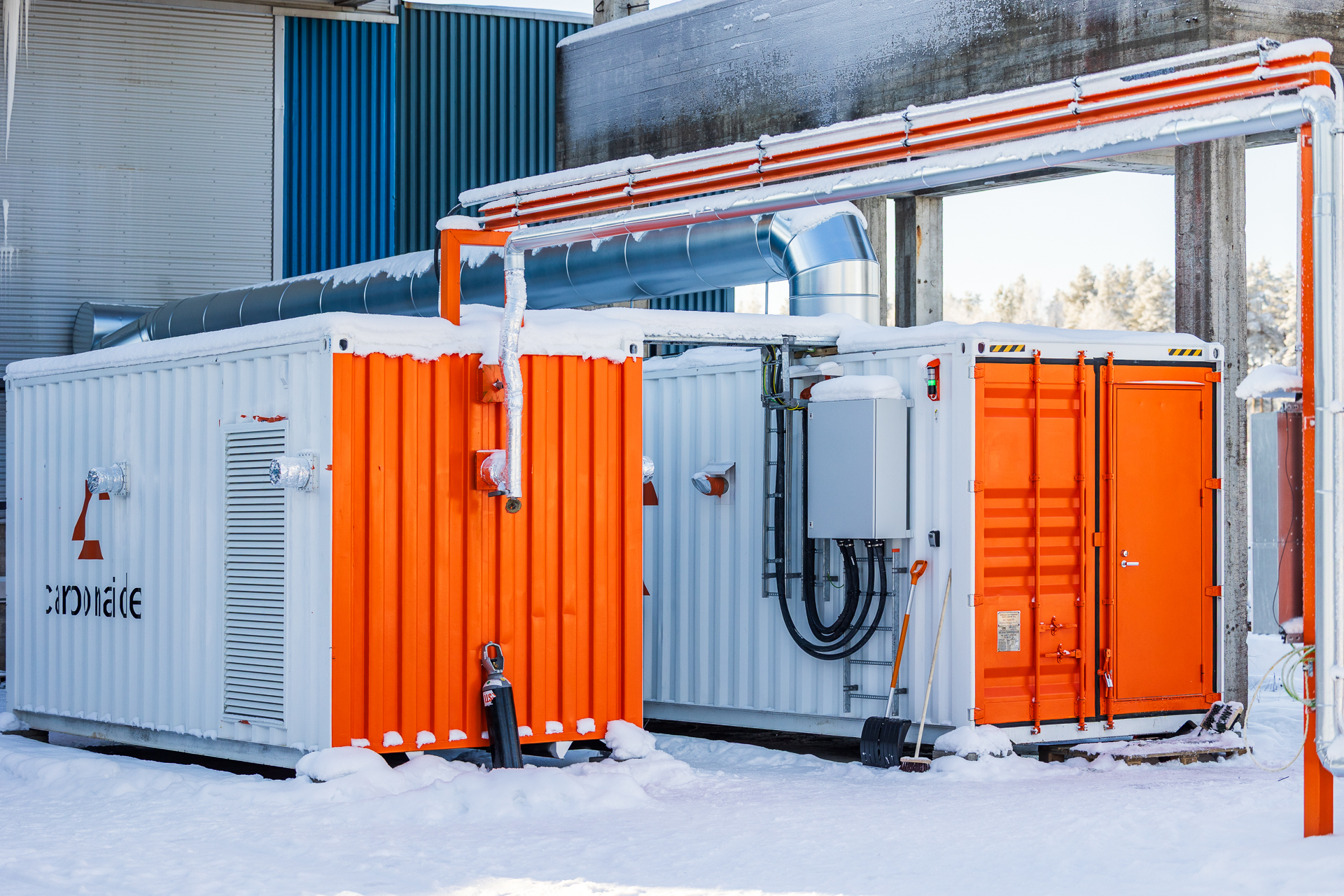
Carbonaide supports this shift as a provider of scalable technology for carbon curing – transforming CO₂ into stable carbonate minerals. Our curing process, results in equal shares of durable removals and avoided emissions, doubling the climate impact and helping decarbonize the industry. If cement is replaced with low-carbon supplementary cementitious materials, the technology enables the production of net-negative concrete.
Durable vs. temporary CDR: following the like for like principle
As fossil emissions remain in the atmosphere for centuries, they must be neutralized by a removal method storing CO₂ with equivalent durability, known as the like‑for‑like principle. Durable CDR, such as CO₂ mineralization into concrete, offers permanent storage (over 1000 years) in the form of stable carbonates. Temporary nature‑based removals also have an important role e.g. they can neutralize short‑lived biogenic emissions and have various ecosystem benefits.
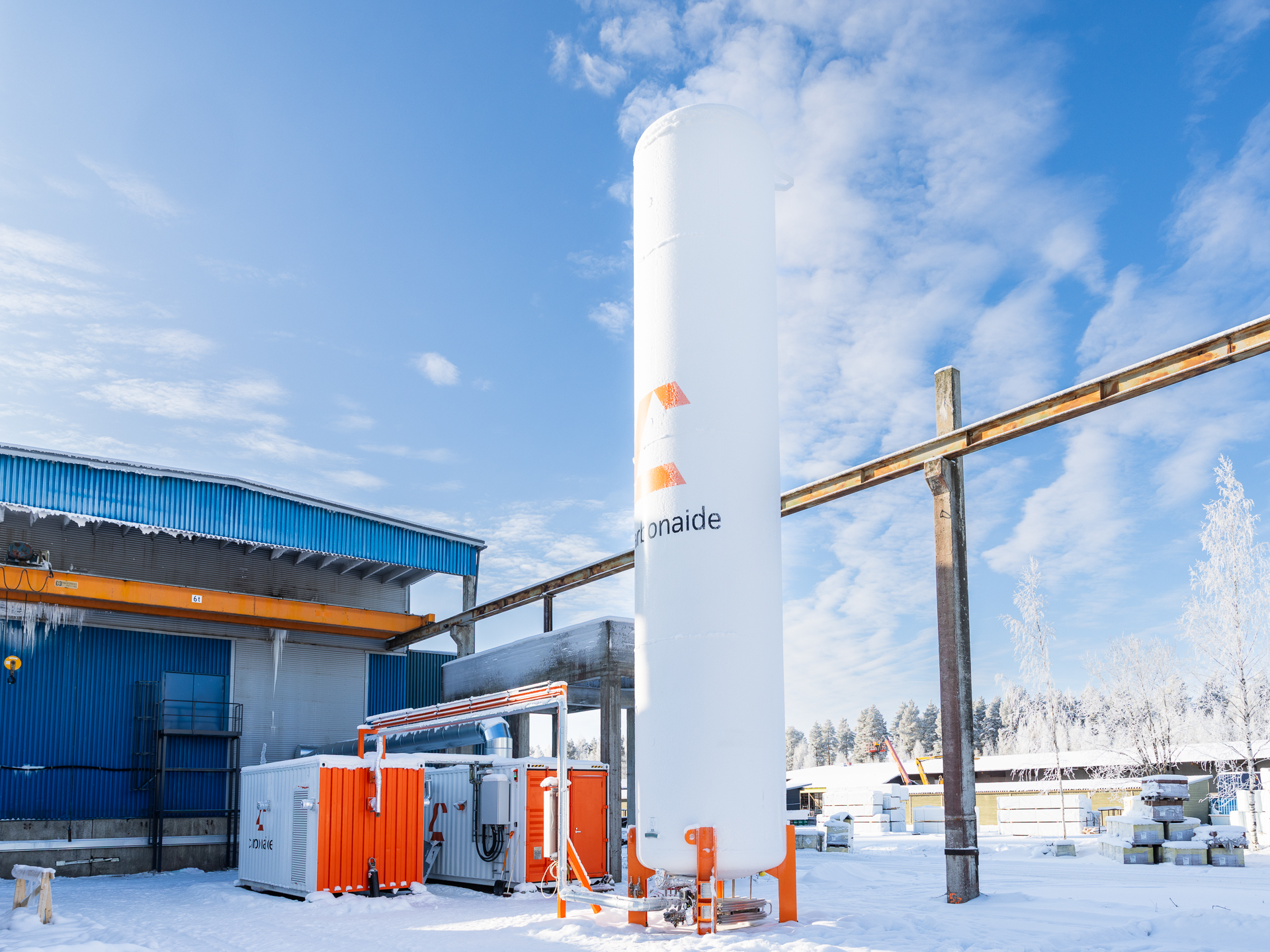
At Carbonaide, we enable permanent storage through our CO₂ curing system. The process fits directly into existing production lines for concrete products, and in addition to carbon removal, it improves mechanical properties, reduces cement use, and lowers emissions.

Corporate climate targets: creating demand for durable CDR
Corporate buyers have a catalytic role in scaling durable CDR. Long‑term net‑zero strategies are important, but near‑term action is critical to support technologies that will be needed at scale in the coming decades. Without early demand, many high-impact CDR solutions risk remaining small-scale or pilot projects.
Companies can take several steps:
- Neutralize ongoing or subset of emissions effectively, by shifting from “offsetting” to investing in high-durability CDR credits.
- Set near‑term targets for selected emission scopes.
- Use carbon markets to speed up industry decarbonization e.g. low-carbon concrete products and vice versa.
Engineered Carbon Credits from Carbonaide
Carbonaide offers a solution that can transform the construction industry from a carbon source to a sink. Our technology can reduce cement volumes and make concrete stronger, while permanently storing CO₂ and enabling negative emissions.
Corporate support in the near term will determine how fast durable CDR develops. With strong demand signals, scalable solutions such as CO₂ mineralization in concrete can expand and play a central role in the journey to global net-negative emissions.
Carbonaide’s one‑stop solution combines proven technology, a software platform, carbon credit management, CO₂ flow management, and our CO₂ partner network. These tools enable the generation of high-quality durable CDR credits fit for corporate climate targets.

About Carbonaide
Carbonaide makes carbon-negative concrete economically viable. With the Carbonaide CO₂ solution, concrete manufacturers can utilise carbon dioxide to improve their products and store carbon permanently.