

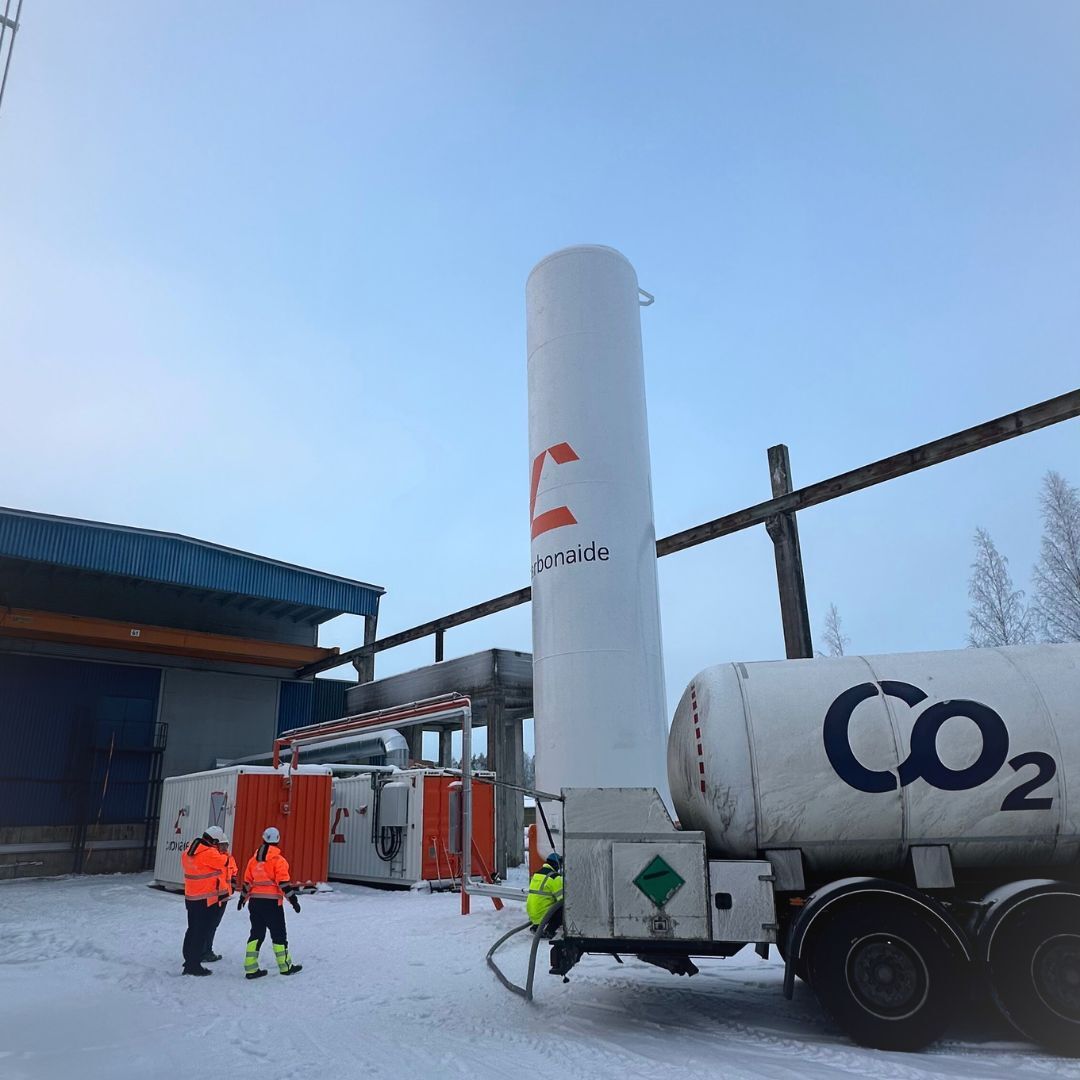
Durable carbon removal is essential for reaching global net‑zero. Even with broad decarbonisation efforts, residual fossil emissions remain and cannot be neutralised by short‑lived natural sinks. To achieve meaningful climate impact, the world needs scalable solutions that provide permanent storage with consistent measurement and verification.
We at Carbonaide provide a mineralization process that transforms biogenic CO₂ into stable carbonates during concrete production. This enables the built environment to operate as a carbon sink. Because concrete is produced everywhere, the deployment scale is nearly unlimited, creating a pathway for large‑volume permanent storage.
Below, I will explain how our mineralization process works, how durability is achieved, and how this approach supports decarbonising one of the world’s most carbon‑intensive industries.
From CO₂ to carbonates: mineralization that stores emissions forever
Carbonaide uses ex‑situ mineralization based on carbonation. During carbon dioxide curing, calcium ions dissolve from the cement phase and react with biogenic CO₂. This reaction forms carbonate minerals that provide permanent storage inside the concrete structure. The process creates stable compounds such as calcium carbonate that remain locked inside the material.
Studies show that CO₂ stored as carbonates inside concrete remains stable for more than 1000 years. I have often been asked how the durability is affected after the useful lifetime of concrete. Even when concrete is demolished and recycled following existing rules and regulations, the chemically bound CO₂ is not released back into the atmosphere.
Controlled carbon dioxide curing: measurable and certifiable carbon removals
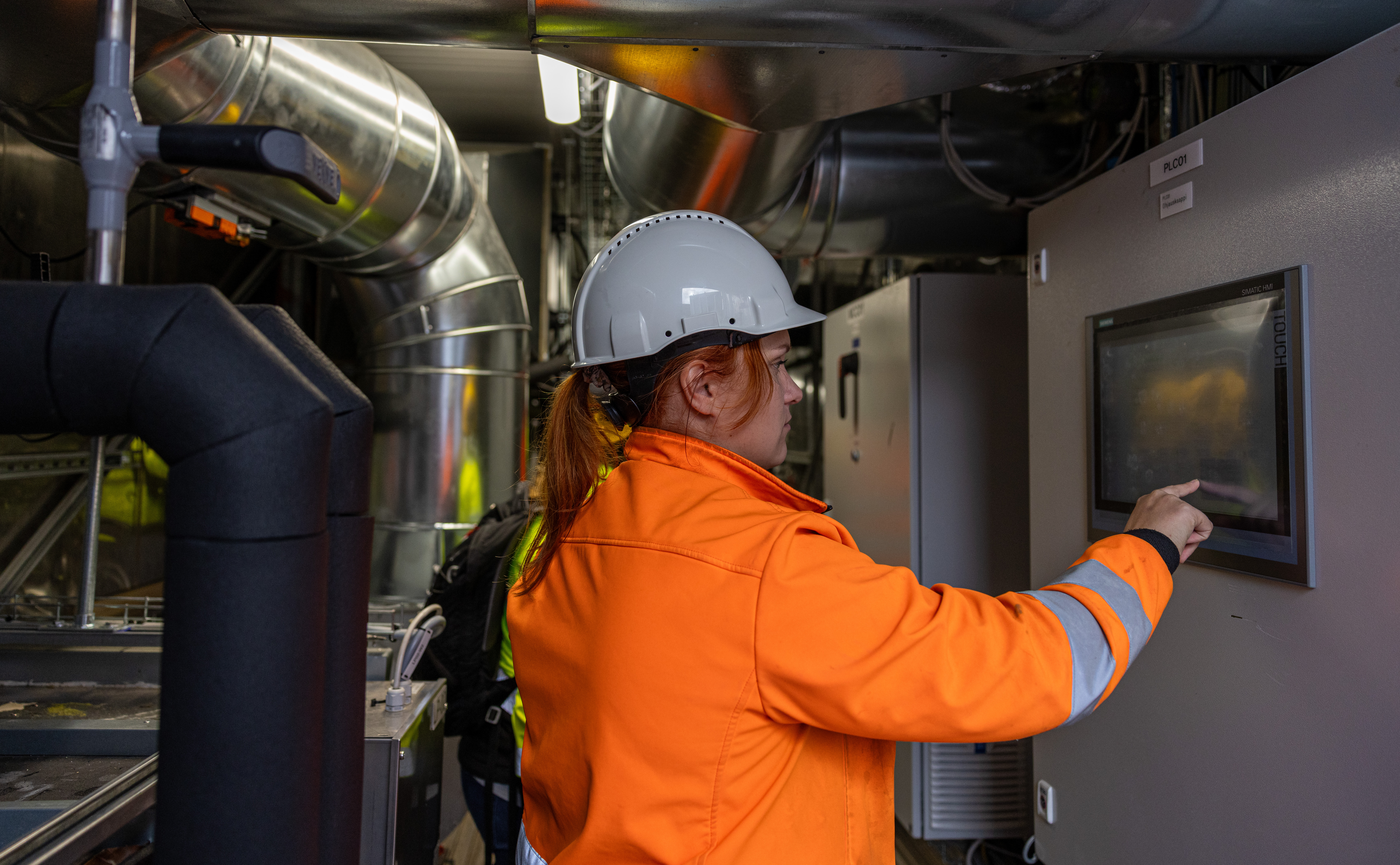
The mineralization process takes place in gas‑tight curing chambers that maintain optimal conditions for carbon dioxide curing. Important parameters include CO₂ concentration, temperature, humidity and pressure. Our CO₂ curing system manages the CO₂ flow and provides consistent conditions for high mineralization rates.
Our software platform, Carbonaide Service Platform, verifies the amount of mineralized CO₂. This is achieved by measuring CO₂ in and CO₂ out of the system. Laboratory‑tested control samples confirm the accuracy of the software. This provides a clear and reliable foundation for certifications and carbon credit management.
We mineralize up to 100 kg of CO₂ per cubic metre of concrete, which is a significant amount compared with any other mineralization technology (the exact number depends quite a bit on production details such as the cement type, material mix etc. – please contact us for exact estimates on your recipe). Key patents protect our carbonation process and the activation steps that increase the overall efficiency of the process.
The carbon removals generated through our process are certified by Isometric, enabling verified durable carbon removal credits for organizations that aim to balance ongoing or residual emissions.

Permanent CO₂ storage in concrete while cutting emissions from cement
Concrete is the second most consumed material on Earth after water. According to the Global Cement and Concrete Association, demand is projected to rise by 43–48 percent to reach almost 20 billion cubic metres. This is a huge challenge from the climate point of view, but also creates an opportunity for permanent storage at a large scale.
Studies indicate that construction materials could store more than 16 gigatonnes of CO₂ each year. Concrete represents 80 percent of this capacity due to its global use and material properties. This makes the built environment one of the largest potential reservoirs for permanent storage worldwide.
While the carbon capture and storage sector is considered the obvious solution in storing CO₂ at large scale, it faces challenges from limited, expensive and externally controlled storage capacity. I believe that the so far overlooked concrete industry with manufacturers located everywhere could be the gamechanger in providing large scale CO₂ storage opportunities. Allowing CO₂ to be permanently stored inside products in existing factories, creates a scalable solution for durable carbon removal.
In addition to carbon removal, our process reduces the cement content of concrete. When CO₂ replaces part of the cement, avoided emissions from cement savings double the climate impact. These avoided emissions are separate and are not included in the CDR credits. When combined with low‑carbon alternative binders, the mineralization process has the potential to enable negative emissions concrete.
Looking for durable carbon removal credits backed by permanent storage?
Carbonaide’s mineralization process provides permanent storage for significant volumes of CO₂ while reducing emissions in concrete production. Through controlled carbon dioxide curing, precise CO₂ flow management and verified mineralization, we at Carbonaide provide a proven technology that transforms the built environment into a carbon sink. With global concrete demand increasing, the deployment scale of permanent storage is effectively unlimited.
Currently Carbonaide technology is integrated in two concrete factories in Finland. CDR credits will be certified through Isometric. If you are interested in making an impact and buying Carbonaide credits, you can contact us with the form below. I am looking forward to answering all the questions you may have and would love to hear from you!

About Carbonaide
Carbonaide makes carbon-negative concrete economically viable. With the Carbonaide CO₂ solution, concrete manufacturers can utilise carbon dioxide to improve their products and store carbon permanently.