
Cement: concrete's emission challenge
You’re clear on the difference between concrete and cement, right?
No? Stop reading now and head to this blog first (then come back!)
Yes? Thought so. Now read on, please.
Concrete’s reputation challenge has a name: cement. The essential ingredient that glues concrete ingredients together, but also the one responsible for most of concrete’s carbon footprint. Although cement makes up only around 10–15% of concrete by mass, producing it can generate up to 90% of concrete’s CO₂ emissions. This, in turn, accounts for around 8% of all global CO₂ emissions. In this blog, I explore where cement came from, how it’s made, why it’s such a challenge for the environment, and what lower-carbon alternatives are emerging.
It’s year 1824. English bricklayer Joseph Aspdin experiments with limestone and clay and cooks up a blend. He burns the mixture, then grinds it into powder. And voila – the early prototype of modern cement is born. Aspdin patents his innovation and calls it ‘Portland cement’ after the high-quality building stone from the Isle of Portland in England.
Portland cement today uses the same main ingredients as it did 200 years ago: limestone and clay. What has changed is the manufacturing process – and this is no wonder considering the over 4 billion tons of cement used globally each year! Putting that into perspective, that’s approximately 10 million tons every single day, or 500kg of cement per person per year.
What cement is made of and how it is produced
The main ingredients of cement are:
- Roughly 75-85% limestone (which provides calcium)
- Roughly 15-25% clay (which provides silicon, aluminium and iron)
And these are the production steps:
- Limestone and clay are quarried, then mixed together and crushed.
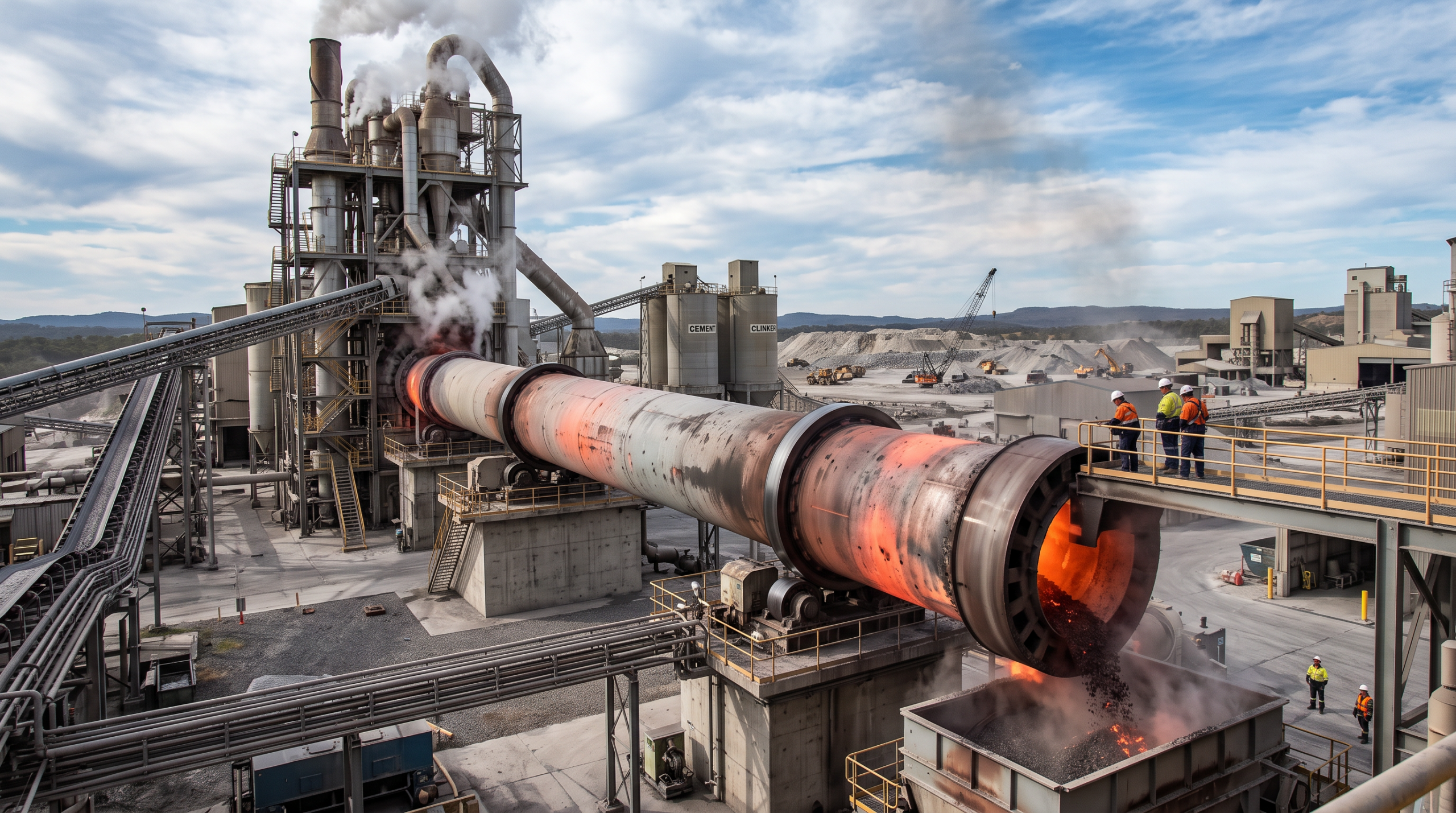
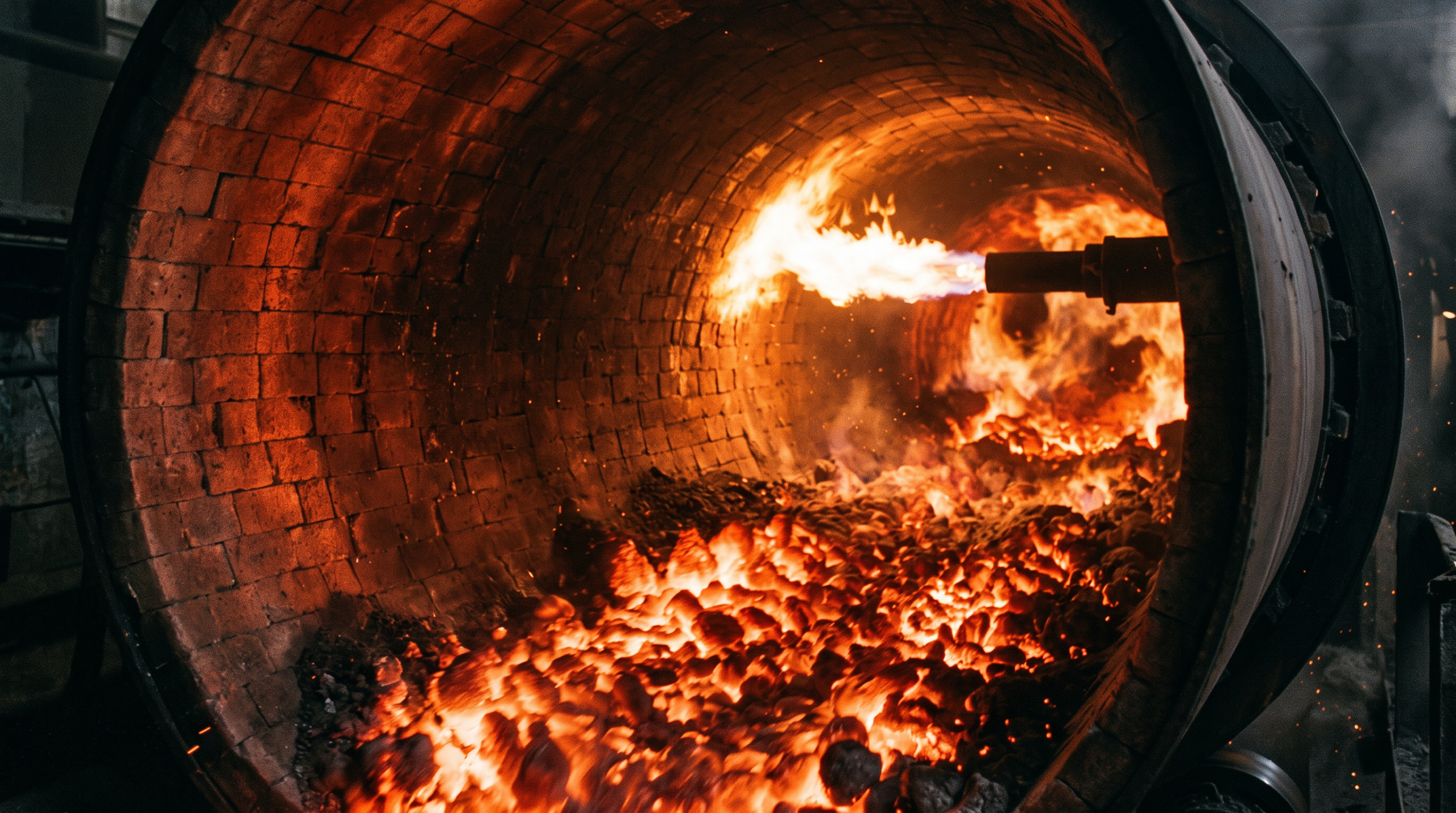
- The mixture is heated to a massive 1450C in an oven called a kiln.
- The limestone breaks down and reacts with the chemicals in the clay and together, they turn into clinker, which is a hard, pellet sized substance.
- The clinker is cooled, then ground to a fine powder.
- A small amount of a mineral called gypsum is added to control setting time.
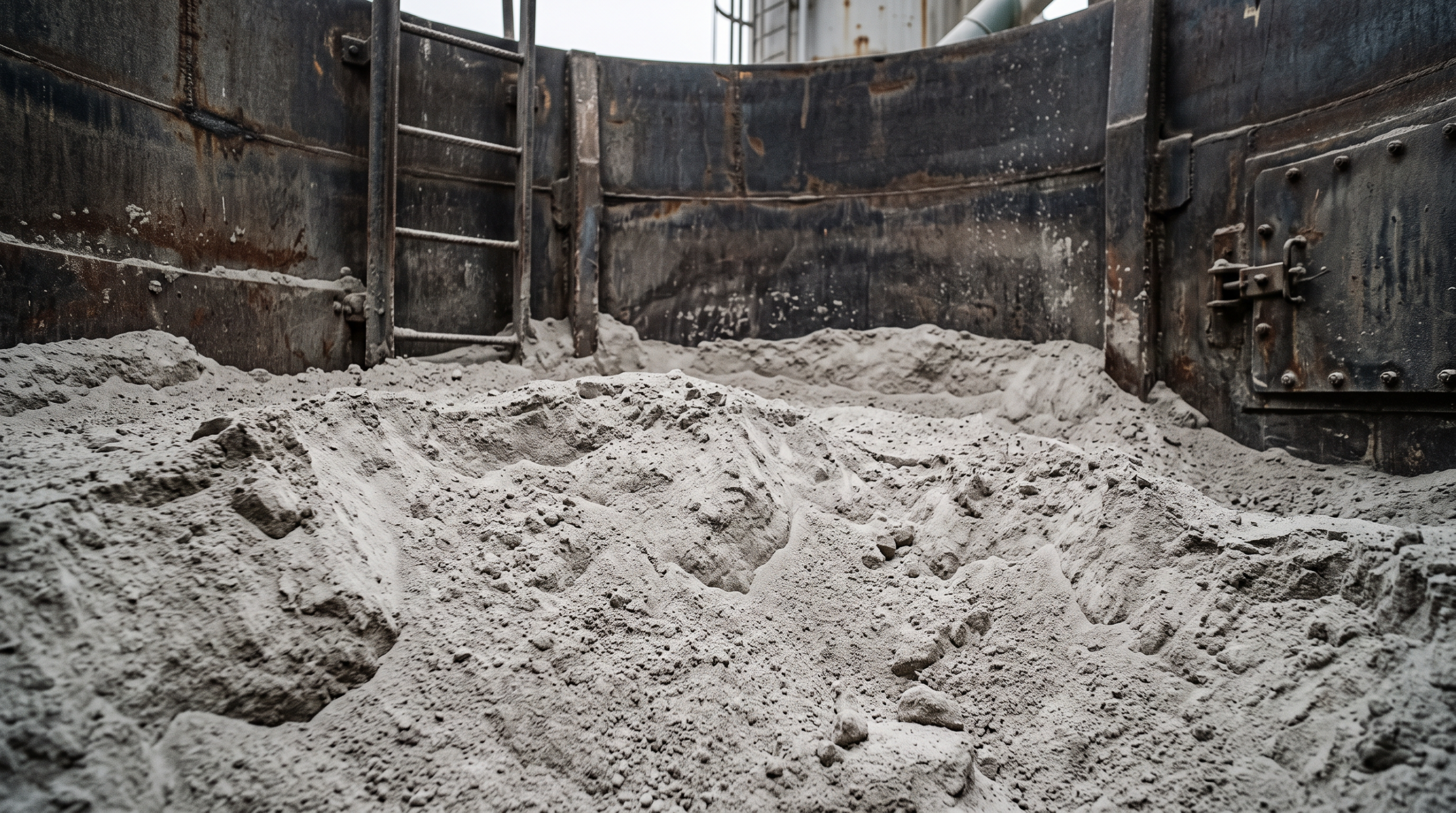
The finished product is a fine grey powder which acts as a hydraulic binder. This means it hardens when water is added.
The reason why cement is so bad for the environment is twofold:
- The decomposition of limestone itself releases masses of CO₂ > resulting in approx. 60% of the emissions.
- Burning fossil fuels to heat the kiln to extremely high temperatures releases CO₂> resulting in approx. 40% of the emissions.
One way to lessen the environmental harm is to power the kiln with cleaner energy sources, such as renewable fuels, biomass or electricity. While this does not eliminate the CO₂ released during the decomposition of limestone, it can still significantly reduce the overall carbon footprint of cement production.
Types of cement based on composition and performance:
Just as with concrete, there is cement and then there is cement.
Think of cement as having two labels:
- A composition label, which tells you what it’s made from (CEM I–V).
- A performance label, which tells you how it behaves (rapid hardening, low heat, sulphate resistant, etc.).
These two systems work together rather than replacing one another.
Composition – what’s in the cement
The European CEM classification tells you how much clinker is in the cement, and how much has been replaced by other materials. Although the CEM system is not an environmental rating, it gives you an idea of the cement’s carbon footprint. Put simply, the higher the CEM number, the lower the clinker content (and again – it’s the clinker that’s the most carbon-intensive ingredient).
- CEM I: Portland cement, often referred to as Ordinary Portland Cement, or OPC. Consists of up to 95-100% clinker.
- CEM II: Portland-composite cement, min. 65% clinker, the rest is supplementary materials such as limestone, slag or fly ash.
- CEM III: Blast furnace cement or Portland-slag cement, contains large amounts of slag.
- CEM IV: Pozzolanic cement, or Portland Pozzolan Cement, contains natural or artificial pozzolans.
- CEM V: Composite cement, contains two different clinker replacements such as slag and fly ash, or slag and pozzolan.
The CEM classification provides a standard way of describing cements with different clinker contents. It also supports the increasing use of supplementary cementitious materials (SCMs), helping the industry reduce concrete’s carbon footprint.
Performance – how the cement behaves
The main performance differences between cement types are how quickly they harden, how much heat they generate, how resistant they are to chemicals, and how much carbon they emit during production.
The main types are:
- Ordinary Portland Cement (OPC): The standard. High clinker, high carbon footprint.
- Portland Limestone Cement (PLC): A portion of clinker replaced by ground limestone, slightly lower carbon footprint.
- Portland Pozzolan Cement (PPC): Some clinker replaced by pozzolans such as volcanic ash or fly ash. Lower heat generation.
- Portland Slag Cement (PSC): Includes blast furnace slag. Used especially in marine environments.
- Rapid Hardening Cement: Gains strength much faster than the usual 28 days. Used where schedules are tight.
- Low Heat Cement: Releases heat slowly during curing. Used where heat build-up causes cracking.
- Sulphate Resistant Cement: Used in soils and water with high sulphate content.
- White Cement: Like OPC but white in colour, for decorative use.
- Masonry Cement: Used to make mortar for laying bricks and blocks.
- Oil Well Cement: Specialised cement for use in oil and gas wells.
Can we stop using Portland cement?
While the Ordinary Portland Cement is still the default cement for the construction industry, other types are gaining traction due to environmental requirements.
The question therefore is: if lower-clinker cements are better for the environment, why don’t we use them everywhere? Importantly, the answer isn’t that they’re weaker. Many achieve the same, or even greater, long-term strength as traditional Portland cement. The difference is that they often gain strength more slowly and behave differently under certain conditions, particularly in cold weather. Choosing the right cement therefore becomes a balance between production schedules and environmental impact.
As the construction industry works towards net zero, reducing clinker content is one of the biggest opportunities to lower the embodied carbon of concrete. This is driving the shift towards blended cements, in which a proportion of the clinker is replaced with lower-carbon SCMs. Many modern cement plants already use CEM II, but achieving greater emissions reductions will require increasing the proportion of SCMs and moving towards wider adoption of cements such as CEM III and beyond. The challenge is doing this without compromising production capacity or curing times.
One promising approach is CO₂ mineralisation, where captured CO₂ reacts with calcium-rich materials in cement and becomes chemically bound as a stable mineral. In this sense, CO₂ can act as an input material in the production process. This not only permanently locks away CO₂ but can also improve concrete properties and allow for further reductions in cement content.
Cement may be responsible for most of concrete’s carbon footprint, but it’s also where some of the biggest carbon savings can be made. Every bit of clinker replaced is a step in the right direction.

About Carbonaide
Carbonaide makes carbon-negative concrete economically viable. With the Carbonaide CO₂ solution, concrete manufacturers can utilise carbon dioxide to improve their products and store carbon permanently.