

In the world of carbon credits, time moves slowly. Most projects operate on an annual cycle, estimating their carbon sequestration after the fact. This cadence is not just tradition; it is embedded in the protocols and systems that govern the carbon credit markets because that’s what the first projects like forestation were able to produce.
Most carbon credit projects operate on an annual cycle, but I am not a very patient person.
Most carbon credit issuers still rely on retrospective estimates. A company completes a year of operations, then calculates how much carbon dioxide they’ve removed or avoided. This is largely because precise, real-time measurement is difficult, especially in biological or distributed systems.
The problem is that I am not a very patient person. But I do like data, and I especially like real-time data.
Annual Estimations vs. Real-Time Measurement
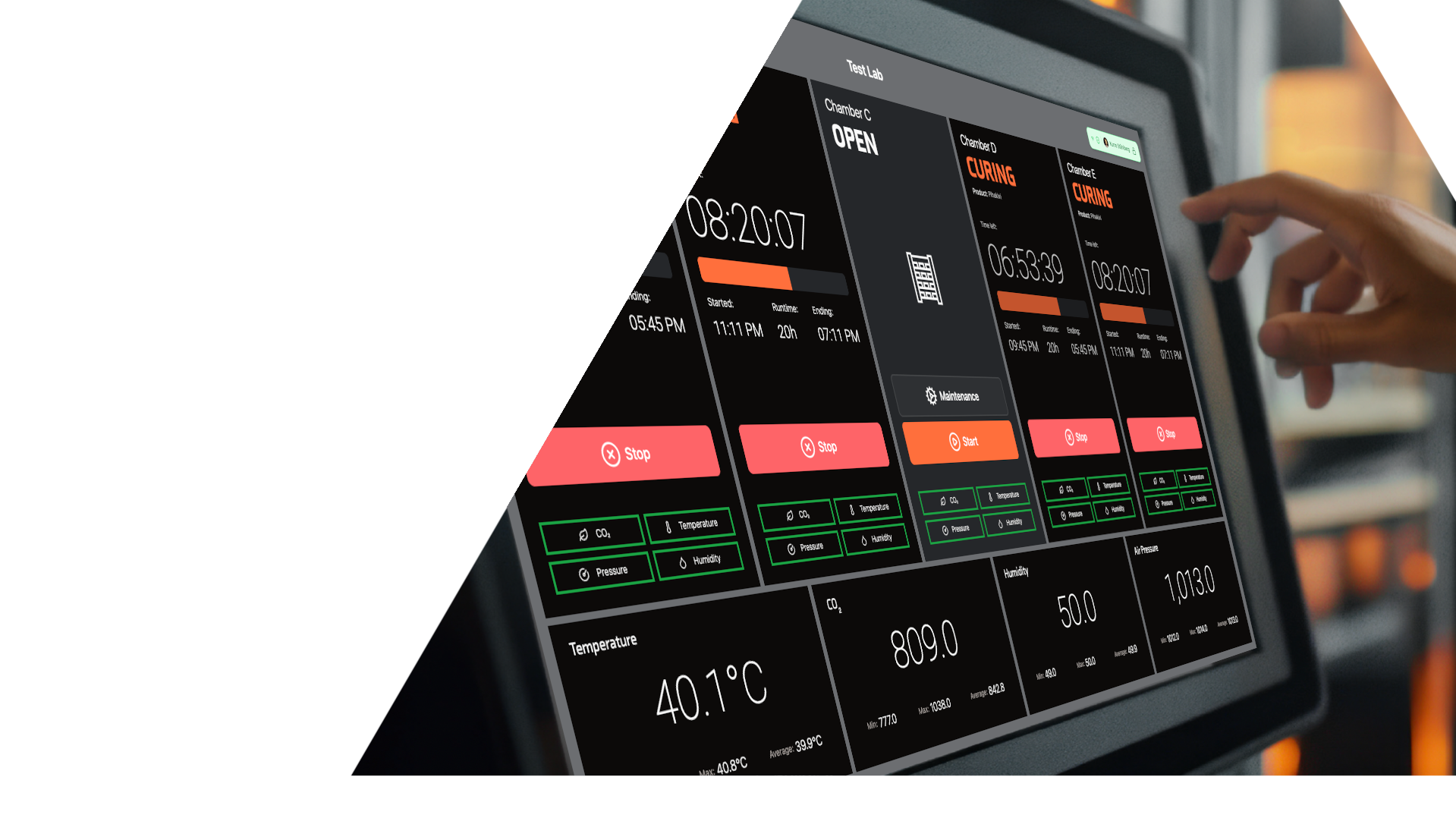
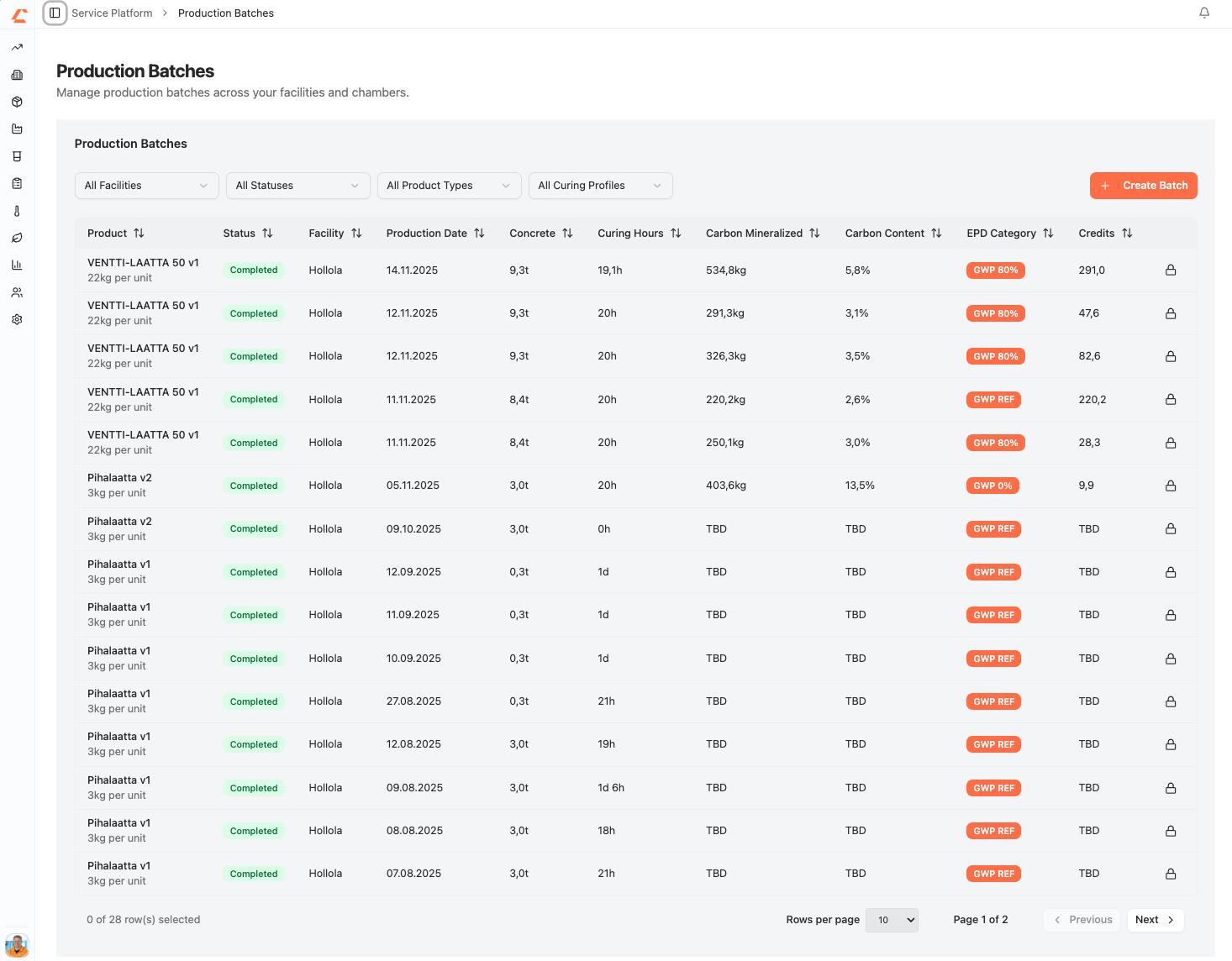
But our process is different. Carbonaide’s carbon dioxide curing system allows us to measure the exact amount of CO₂ mineralized in each production batch. Every time a concrete product is cured using our technology, we know precisely how much carbon dioxide has been permanently stored. No guesswork. No delay. Like magic.
The Challenge: A Market Built for Annual Reporting
Despite our ability to deliver real-time data, the carbon credit market isn’t built to receive it. Protocols are designed around annual reporting cycles. APIs for automated data exchange are rare or non-existent. And Environmental Product Declarations (EPDs), which are required for facilities using our process, are typically fixed for a year or more.
This creates friction. We can provide accurate, batch-level data, but the systems we need to report into aren’t ready to accept it.
Pushing the Boundaries with Our Partners
Some credit issuers are beginning to adapt. They’re introducing APIs and exploring faster reporting cycles. But these approaches are still experimental, and we’re venturing into largely uncharted territory where nobody seems to really be able to wrap their heads around what exact data is needed and how to apply it to stay compatible with the annual EPDs.
The target is no less than real-time credit issuance.
With our certification partner Isometric, we are trying to navigate this transition towards a more responsive data-driven carbon credit system.
The target is no less than real-time or near real-time credit issuance, batch-by-batch EPDs and automated reporting via APIs. In other words: Transparent, verifiable real-time carbon credit management.
For precast concrete manufacturers, lawmakers, and carbon market facilitators, this shift could be transformative. Real-time carbon credit issuance means faster recognition of emission reductions, better alignment with production cycles, and more accurate carbon accounting.

We want to be able to take any paving stone or building element that has been cured using our system and know exactly how much CO2 has been stored in it and where it came from.
In summary:
We can issue real-time carbon credits.
We want to issue real-time carbon credits.
The current ecosystem makes it difficult, but the transformation has already started.
At Carbonaide, we’re not waiting for the market to catch up. We’re building the tools, forging the partnerships, and laying the groundwork for a faster, more accurate carbon credit ecosystem – one batch at a time.
It’s not easy. But finding concrete solutions to hard problems is what we do (pun absolutely intended).

About Carbonaide
Cheaper, faster, stronger and greener. Our mission is to turn building materials from a large emission source into a carbon sink. With the Carbonaide CO2 curing solutions, concrete manufacturers can utilise carbon dioxide to improve their production and permanently store carbon as carbonates in the products at the same time.