
Geopolymer concrete offers superior sustainability compared to Portland cement by using industrial waste materials and producing significantly lower CO2 emissions. While Portland cement generates approximately 8% of global emissions through limestone calcination, geopolymer concrete can reduce emissions by up to 80% while maintaining comparable strength and durability performance.
What is geopolymer concrete and how does it differ from Portland cement?
Geopolymer concrete uses industrial waste materials such as fly ash or slag as binding agents instead of traditional Portland cement. These materials undergo alkali activation to form strong chemical bonds without requiring the high-temperature limestone calcination process that defines Portland cement production.
The manufacturing process involves mixing aluminosilicate materials with alkaline solutions, creating polymer chains that bind aggregate materials together. This chemical reaction occurs at ambient temperatures, unlike Portland cement, which requires heating limestone to very high temperatures in kilns.
Key differences include the raw materials used, reaction mechanisms, and environmental impact. Portland cement relies on limestone and clay heated in energy-intensive kilns, while geopolymer concrete transforms waste materials through chemical activation. The resulting concrete exhibits similar compressive strength but often shows improved resistance to chemical attack and high temperatures.
On the other hand, it is important to note that geopolymer alternatives are often more expensive and limited in availability, which means that they can’t replace traditional concrete in high volumes.
Why is Portland cement considered harmful to the environment?
Portland cement production generates massive CO2 emissions through several critical environmental pathways:
- Limestone calcination emissions – The chemical breakdown of limestone at high temperatures releases approximately half of cement’s total carbon footprint directly into the atmosphere
- Fossil fuel combustion requirements – Cement kilns consume enormous amounts of coal, natural gas, or other fossil fuels for heating
- Natural resource depletion – Quarrying operations strip limestone reserves and cause significant landscape disruption and biodiversity loss
- Energy-intensive production scale – Each Portland cement production requires a lot of energy and produces huge amounts of CO2 emissions
These environmental impacts combine to make the concrete industry responsible for 38% of global greenhouse gas emissions, with cement alone contributing roughly 8% of worldwide CO2 output. The scale and intensity of these environmental effects make traditional concrete production one of the most urgent sustainability challenges facing the construction industry today.
How does geopolymer concrete reduce environmental impact compared to traditional concrete?
Geopolymer concrete aims to achieve environmental improvements through waste utilisation and low-energy processing methods:
- Waste material transformation – Converts fly ash from coal plants and slag from steel production into valuable binding agents, reducing landfill burden while creating sustainable alternatives
- Elimination of limestone calcination – Completely avoids the high-temperature chemical process responsible for a major part of traditional cement’s CO2 emissions
- Ambient temperature processing – Alkali activation occurs at room temperature, eliminating energy-intensive kiln operations and associated fossil fuel consumption
- Reduced transportation impacts – Local sourcing of industrial waste materials significantly decreases shipping-related emissions compared to traditional cement distribution
- Carbon sequestration potential – Advanced formulations can achieve net-negative carbon footprints by permanently storing more CO2 than the production process generates
This comprehensive approach to emission reduction enables geopolymer concrete to cut CO2 emissions compared to Portland cement while simultaneously addressing industrial waste disposal challenges.
What are the practical advantages and challenges of using geopolymer concrete?
Geopolymer concrete delivers performance benefits alongside its environmental advantages:
- Superior durability characteristics – Exhibits good chemical resistance, fire resistance, and reduced permeability, making it ideal for harsh environments and long-term infrastructure projects
- Enhanced early strength development – Achieves target strength faster than traditional concrete, accelerating construction schedules and reducing project timelines
- Improved thermal stability – Withstands higher temperatures without structural degradation, providing better fire safety and performance in extreme conditions
- Reduced maintenance requirements – Lower shrinkage and better acid resistance translate to longer service life and decreased lifecycle costs
However, several implementation challenges currently limit widespread adoption. Higher initial costs stem from expensive alkaline activators, while quality control demands careful attention to material consistency and specialised mixing procedures. Limited availability of suitable waste materials can constrain production capacity, and there are also regulatory requirements that the products many not meet. Despite these challenges, geopolymer concrete can serve as as a transformative solution for low-carbon construction in many applications.
How Carbonaide helps bridge the gap between sustainability and concrete performance
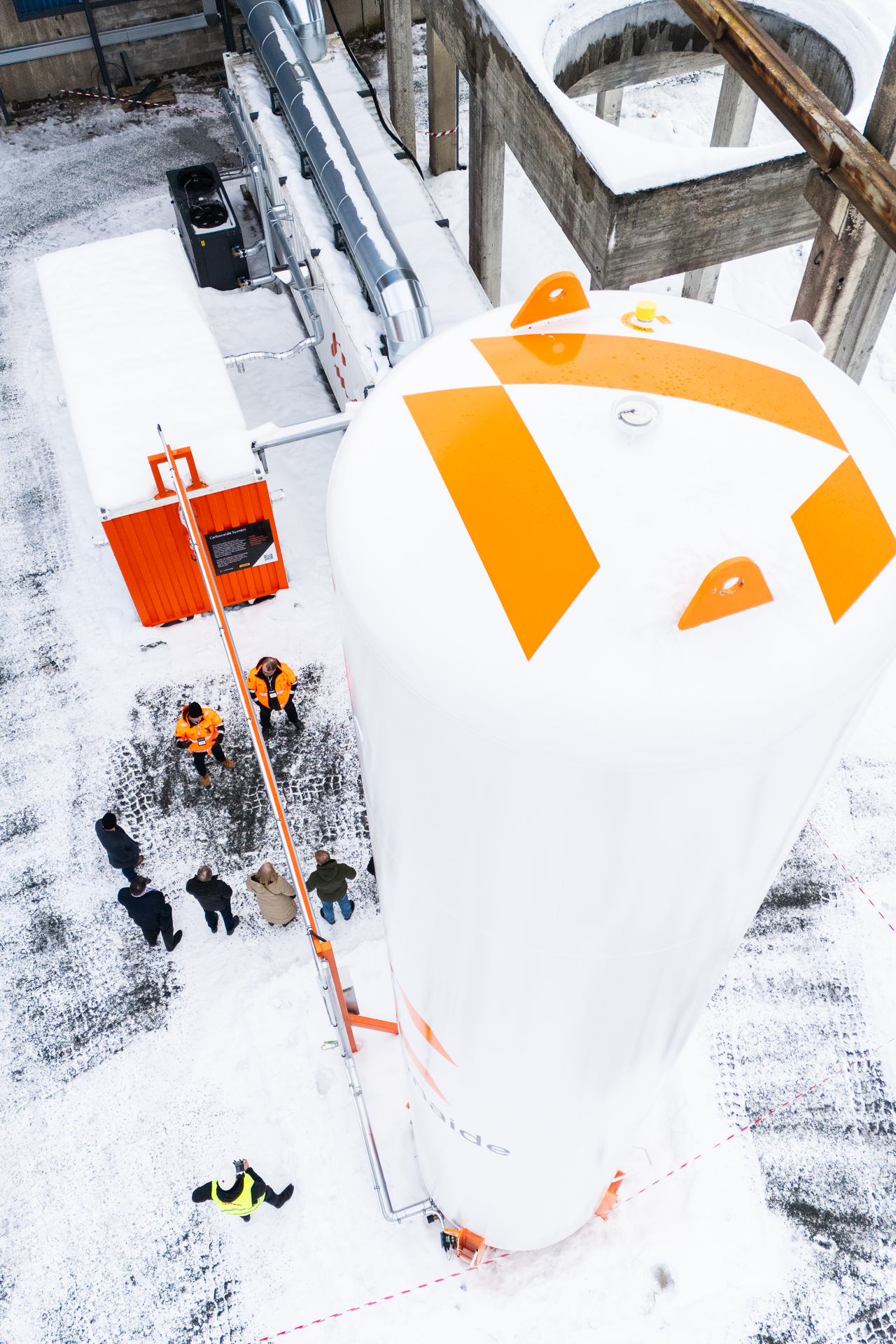
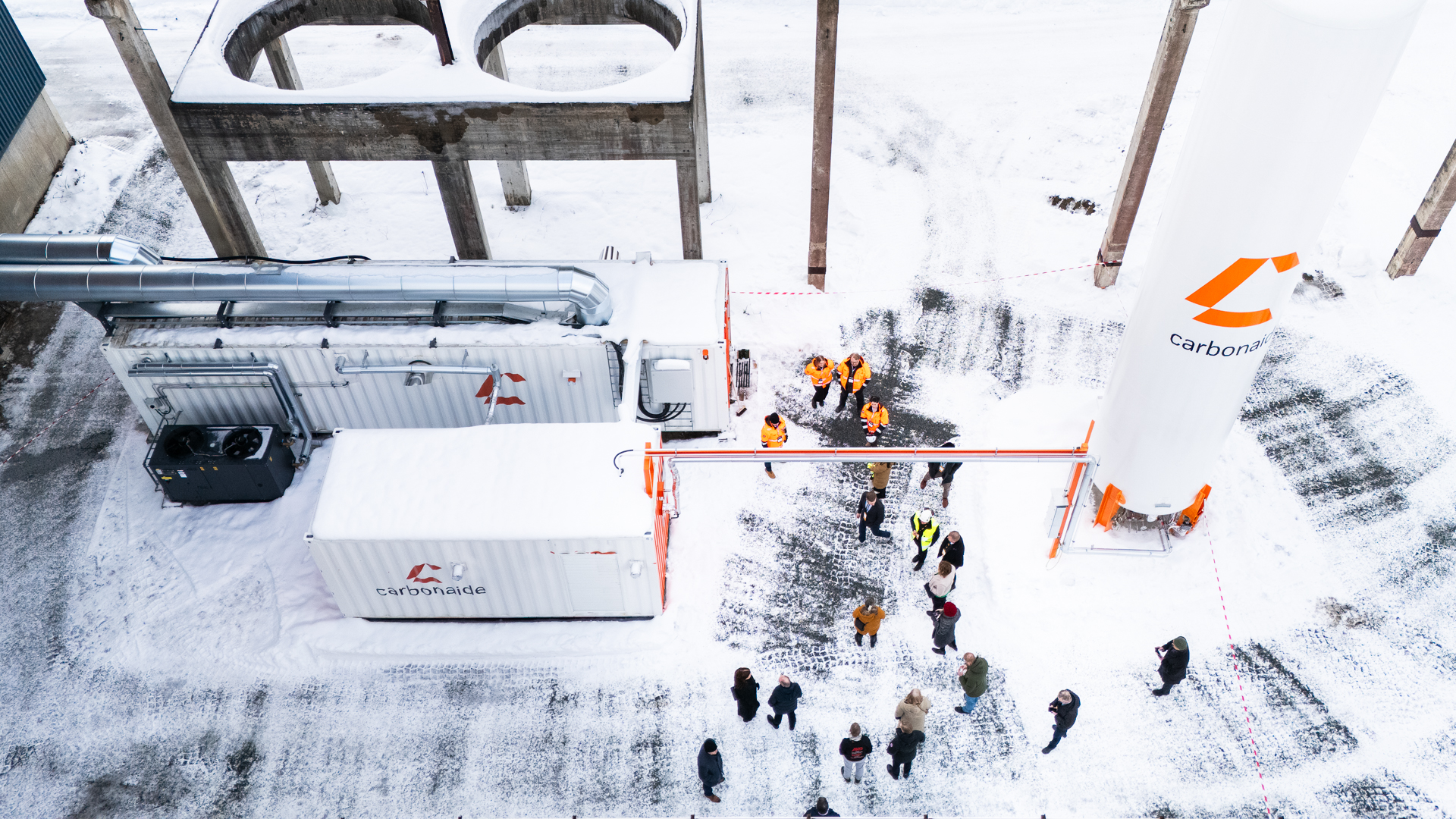
We have developed CO2 curing technology that addresses sustainability concerns while enhancing concrete performance through permanent carbon mineralisation. Our system reduces cement content by up to 20% while accelerating curing times by 25%, delivering both environmental and operational benefits.
Our comprehensive solution includes:
- Complete hardware systems that integrate with existing or new concrete production facilities
- A cloud-based platform for real-time optimisation and carbon credit verification
- Activation of previously unusable supplementary materials through CO2 exposure
- Permanent CO2 storage within concrete products, creating measurable carbon sequestration
- Comprehensive lifecycle support ensuring continuous, problem-free operations
The technology transforms concrete production from a major emissions source into a carbon sink by chemically binding CO2 into the concrete matrix. This approach provides cheaper, faster, stronger, and greener concrete production while maintaining compatibility with existing manufacturing processes and building standards.
If you are interested in learning more, contact our team of experts today.