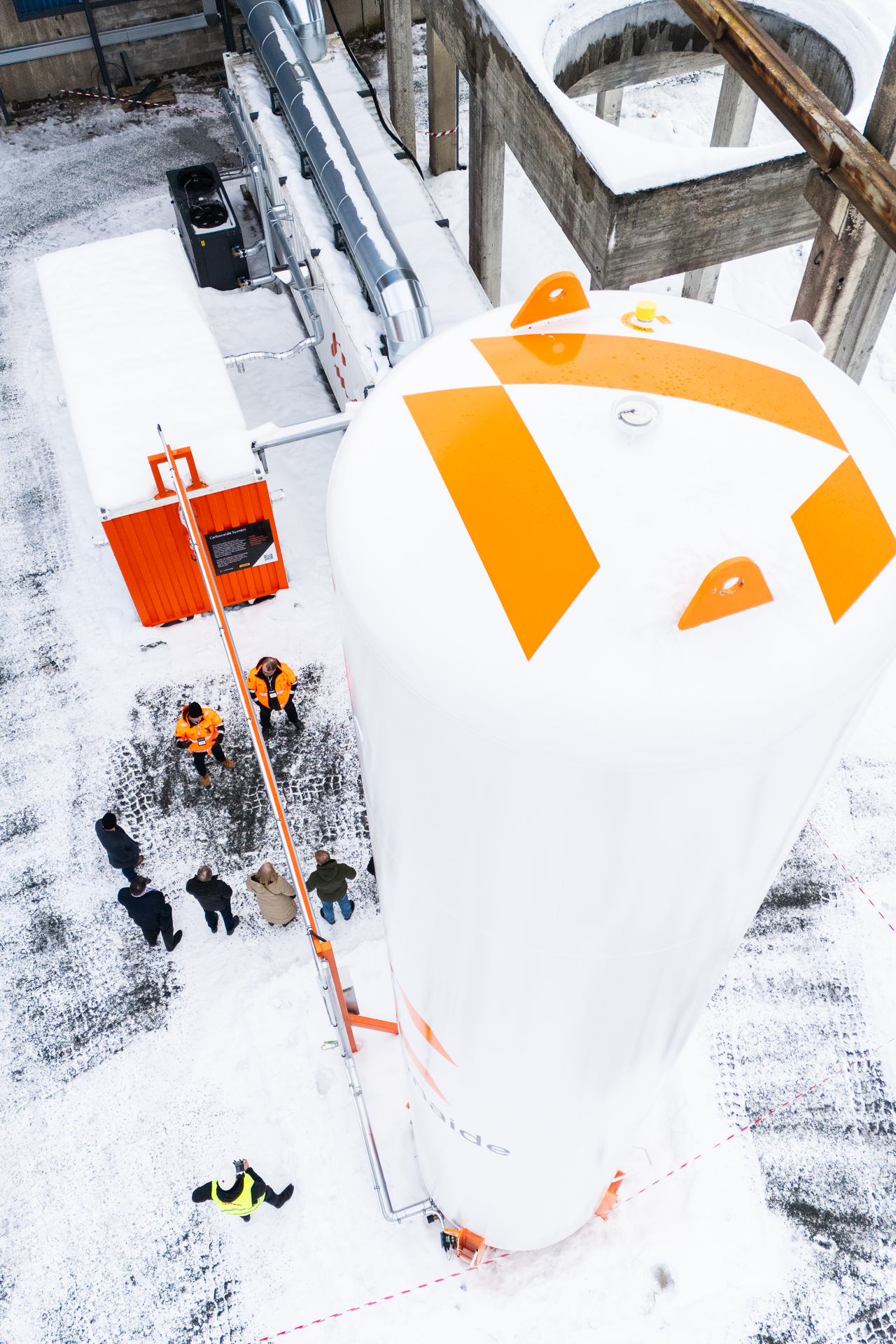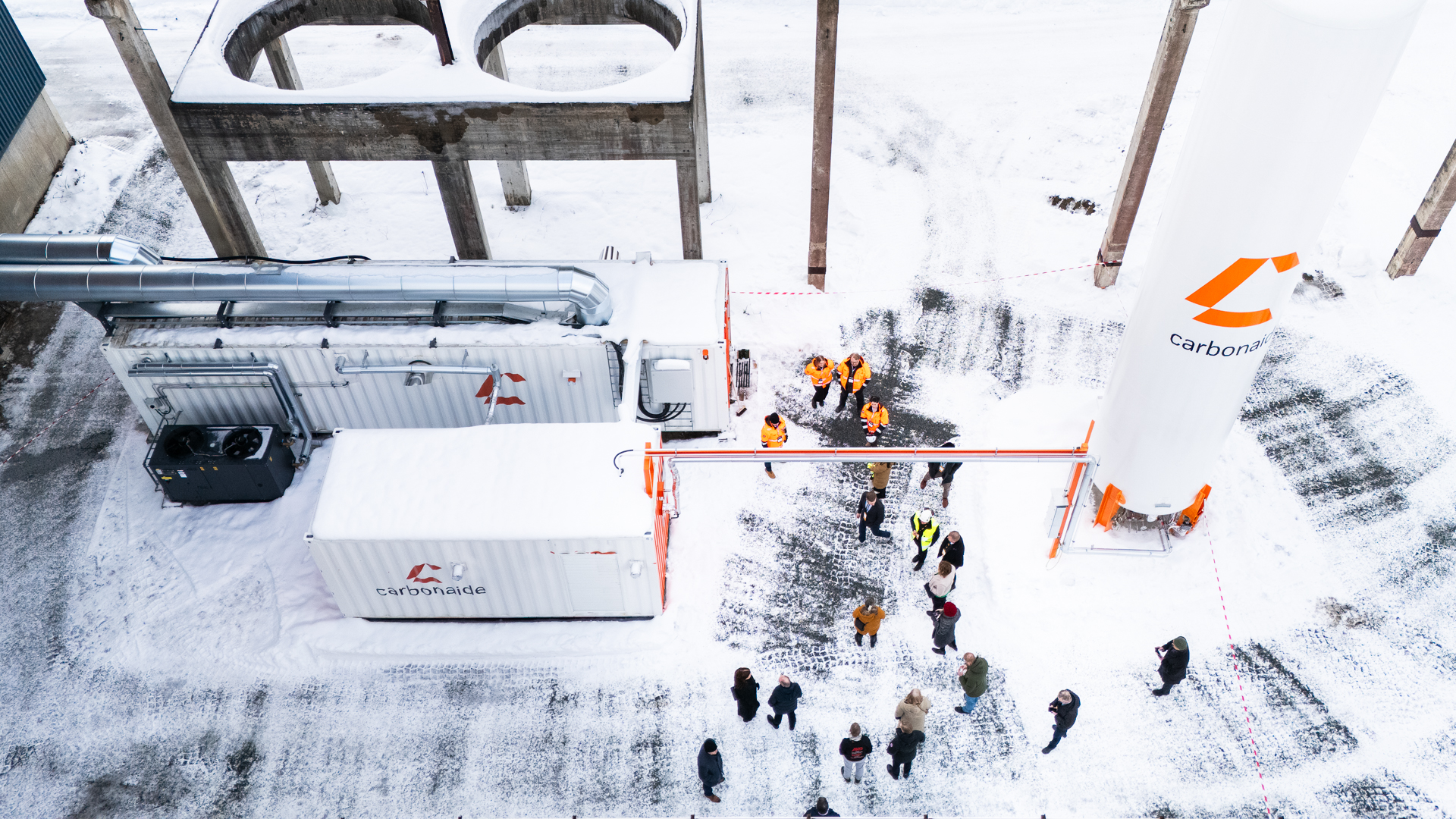

Retrofitting a concrete factory for CO₂ reduction typically takes 4–8 weeks from start to finish, depending on your facility size and existing infrastructure. The process involves installing modular CO₂ curing systems that integrate with your current production line, modifying curing chambers, and implementing digital monitoring platforms. Most installations can be completed with minimal production downtime through phased implementation approaches.
What does retrofitting a concrete factory for CO₂ reduction actually involve?
Retrofitting involves three core components that work together to transform your existing concrete production into a carbon utilization process:
- Hardware installation – Installing CO₂ curing systems with specialized equipment for CO₂ distribution and injection throughout your production environment
- Infrastructure modifications – Adapting existing curing chambers to accommodate CO₂ systems, ensuring proper ventilation for atmospheric-pressure operations, and integrating monitoring sensors
- Digital platform integration – Implementing the Carbonaide Service Platform for managing CO₂ flow, monitoring mineralization processes, and providing real-time analytics
These components create a comprehensive system that enables optimal conditions for CO₂ mineralization during concrete curing while maintaining seamless integration with your existing production workflows. The retrofit process differs from new installations primarily in infrastructure adaptation requirements, as existing plants need careful assessment of current configurations to ensure integration without compromising ongoing operations.
How long does the actual retrofit installation take from start to finish?
The complete retrofit timeline spans 4–8 weeks from initial planning to full operational status, with phases that often overlap to minimize total project duration:
- Planning phase (1–2 weeks) – Technical teams conduct facility assessments, develop design specifications, and finalize integration approaches aligned with your production schedules
- Equipment delivery and installation (2–4 weeks) – Modular CO₂ curing systems are installed using staged approaches that allow sequential retrofitting of different production lines
- Testing and commissioning (1–2 weeks) – Systems undergo calibration, integration verification, operator training, and quality control protocol establishment
This phased approach ensures systematic implementation while maintaining operational flexibility, allowing facilities to resume full production capabilities with enhanced carbon utilization features once commissioning is complete.
What factors affect how quickly you can retrofit your concrete production facility?
Several key factors influence retrofit duration and complexity:
- Existing infrastructure condition – Modern facilities with adequate curing chambers and ventilation systems require fewer modifications than older plants needing extensive upgrades
- Facility size and layout complexity – Larger facilities may need longer installation periods but can benefit from phased approaches, while complex layouts with space constraints may require additional engineering solutions
- Production schedule considerations – Facilities with seasonal patterns or planned maintenance windows can accommodate comprehensive installations during low-demand periods
- Regulatory approval requirements – Permit processes for CO₂ handling equipment and modified production procedures can add weeks to project timelines in some regions
Understanding these factors early in the planning process enables better project scheduling and helps identify potential challenges before they impact installation timelines. Proactive coordination with regulatory agencies and thorough infrastructure assessment minimize unexpected delays during implementation.
How much production downtime should you expect during a CO₂ retrofit?
Production downtime can be minimized to 2–5 days per production line through strategic planning approaches:
- Phased installation strategies – Retrofitting individual curing chambers or production lines sequentially while maintaining operations in unmodified areas
- Temporary production alternatives – Using unmodified chambers for urgent orders and coordinating with partner plants during peak installation periods
- Strategic scheduling – Building inventory buffers, communicating timelines with major customers, and timing installations during slower production periods
- Rapid system activation – Leveraging modular CO₂ curing systems that enable quick return to full production capacity once installation is complete
These strategies extend total project duration but significantly reduce revenue impact by maintaining customer deliveries throughout the conversion process. The combination of careful planning and modular system design ensures business continuity while transitioning to enhanced production capabilities.
Successful concrete factory retrofits for CO₂ reduction require careful planning but offer significant operational benefits once completed. The combination of reduced cement requirements, accelerated curing times, and permanent carbon storage capabilities transforms your facility into a more efficient and environmentally beneficial operation. We provide comprehensive support throughout the entire retrofit process, from initial assessment through ongoing optimization, ensuring your transition to carbon-negative concrete production proceeds smoothly and delivers the expected operational improvements.