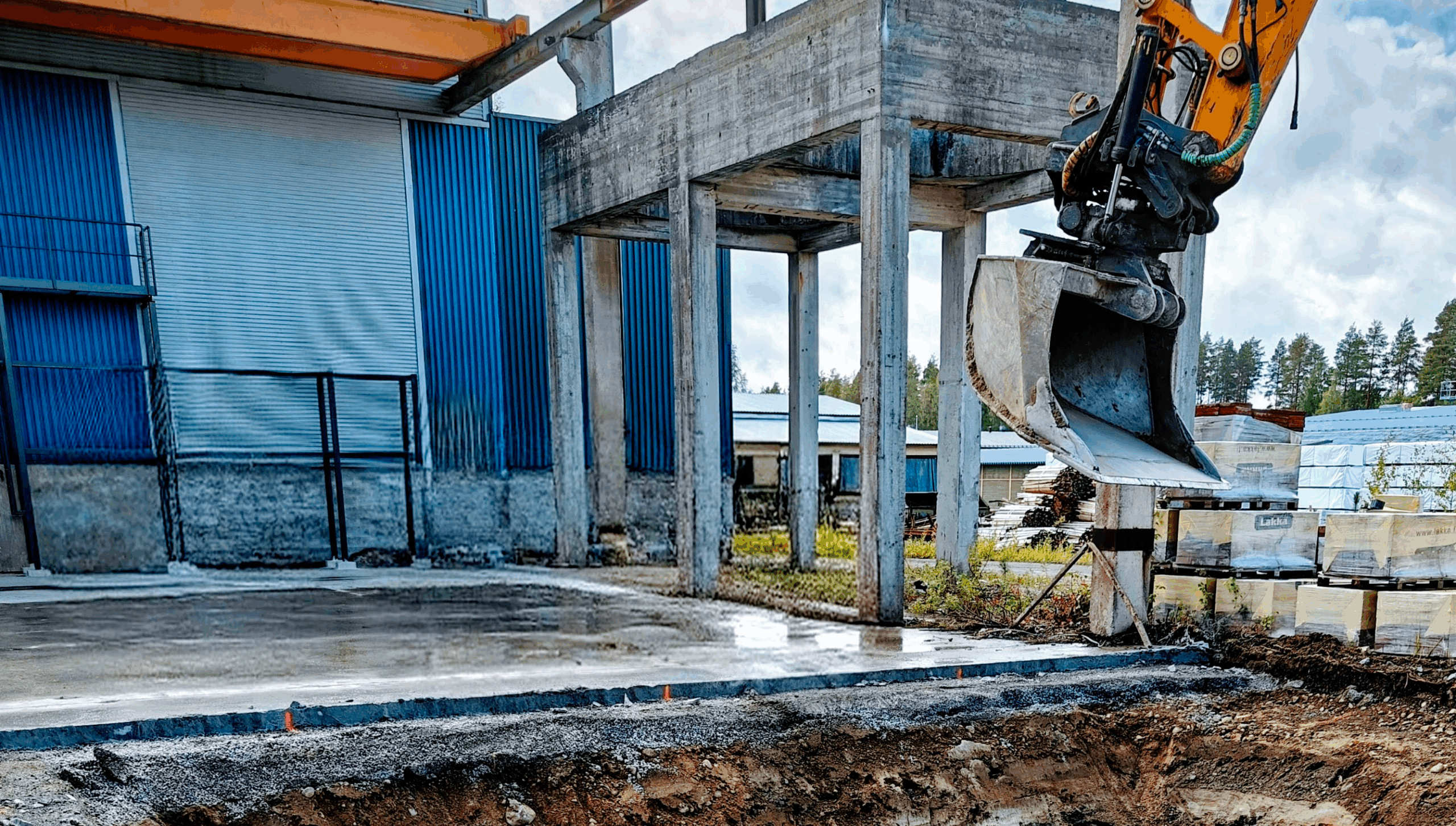

Concrete durability depends on several interconnected factors that determine how well the material withstands environmental stresses and time. Understanding these key influences helps you make informed decisions about concrete mix design and construction approaches that create longer-lasting structures.
What exactly determines how long concrete will last?
Concrete lifespan depends on multiple fundamental elements that work together to create durable structures:
- Water-to-cement ratio: Lower ratios create denser, stronger concrete with reduced permeability and better resistance to deterioration
- Raw material quality: High-grade cement and well-graded aggregates provide the foundation for long-term structural integrity
- Curing methods: Adequate moisture and temperature control during early stages allows complete cement hydration
- Porosity control: Dense, well-cured concrete with low permeability resists water intrusion and chemical attack
Each of these elements reinforces the others, resulting in concrete that can withstand decades of environmental exposure. The chemical composition of cement plays a vital role, as Portland cement reacts with water to form calcium silicate hydrate, which binds the mixture together into an impermeable matrix that resists deterioration when properly executed.
How do environmental conditions affect concrete performance over time?
Environmental exposure creates the primary stresses that determine concrete deterioration rates through various mechanisms:
- Freeze-thaw cycles: Water expansion in concrete pores creates internal pressure that causes cracking, particularly severe in regions with frequent temperature fluctuations around freezing
- Chemical exposure: Salt water and de-icing chemicals cause chloride attack on steel reinforcement, while acidic environments dissolve alkaline cement compounds
- Geographic factors: Coastal salt spray, industrial pollutants, desert thermal stress, and tropical moisture each create unique deterioration challenges
- Atmospheric conditions: High humidity, temperature variations, and air quality affect the rate and type of concrete degradation
These environmental stresses work in combination rather than isolation, often accelerating deterioration beyond what any single factor would cause. Understanding the local environmental conditions allows for targeted concrete design that addresses the most significant threats to long-term durability in a specific location.
What role does concrete mix design play in long-term durability?
Mix design directly controls concrete durability by determining the material proportions and treatment methods that create optimal performance characteristics:
- Water-to-cement optimization: Careful balance between workability needs and strength requirements creates dense concrete while ensuring proper cement hydration
- Admixture integration: Plasticizers enable water reduction while maintaining workability, and air-entraining agents improve freeze-thaw resistance through controlled void creation
- Curing protocol design: Proper moisture and temperature control during initial days maximizes cement hydration and minimizes permeability
- Performance-based specifications: Tailoring mix design to specific environmental exposures and structural demands ensures optimal durability for intended applications
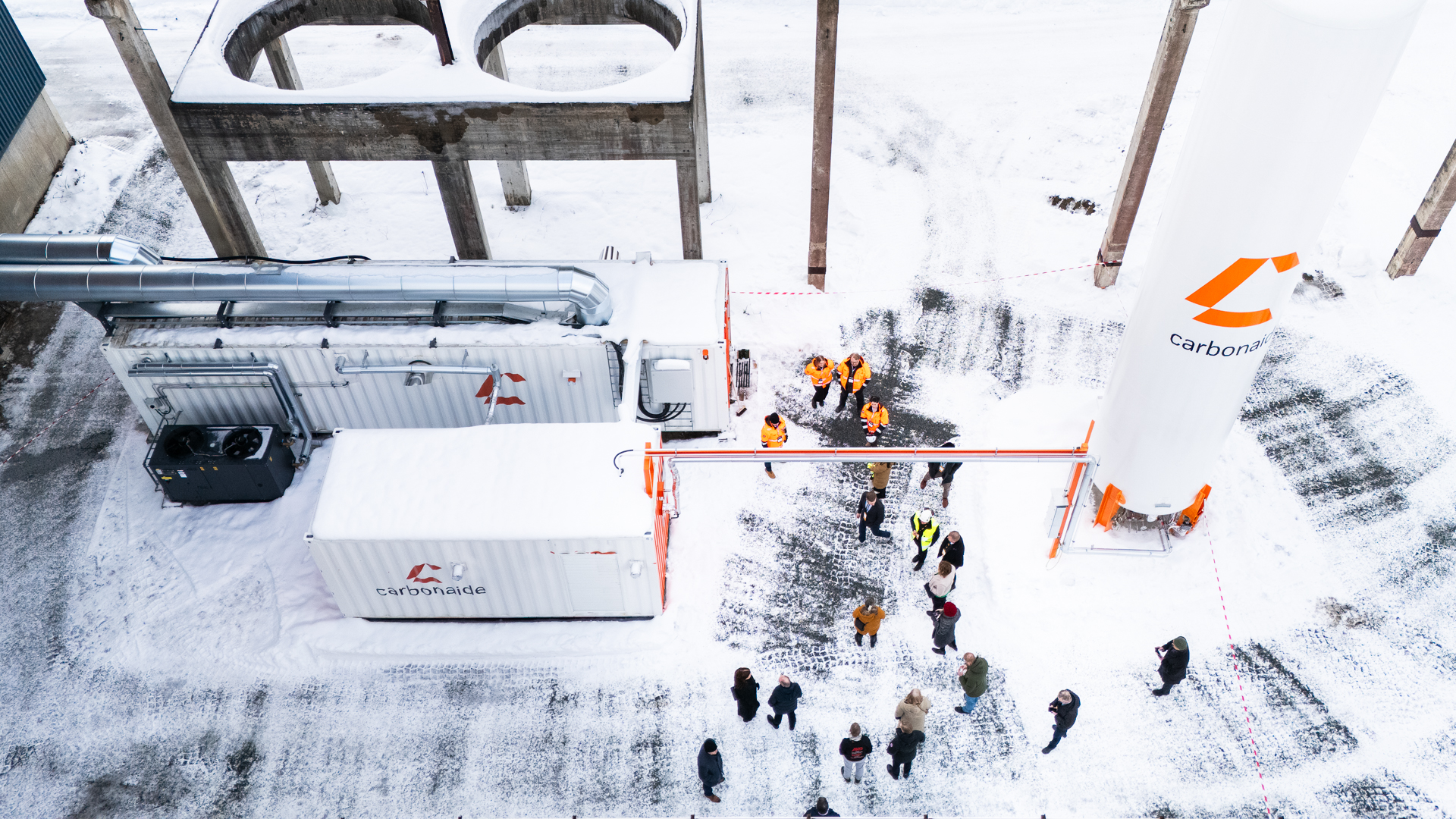
Advanced curing techniques, such as CO₂ curing, represent emerging technologies that can accelerate the curing process without losing long-term durability characteristics. These innovations in mix design and curing methods offer new opportunities to create concrete products. Understanding concrete durability factors helps you select appropriate materials and concrete products for your specific application.
If you are interested in learning more, contact our team of experts today.