
Transforming concrete production to achieve carbon-negative results requires specific infrastructure modifications to existing facilities. Essentials include CO₂ curing systems, automated monitoring equipment, and cloud-based management platforms. The infrastructure changes focus on retrofitting curing chambers, installing CO₂ delivery systems, and integrating digital controls that manage the entire carbon dioxide mineralisation process while maintaining current production workflows.
What exactly is carbon-negative concrete and how does it work?
Carbon-negative concrete is produced through CO₂ mineralisation technology that permanently stores carbon dioxide within the concrete structure during the curing process. Instead of releasing emissions, this process captures CO₂ and chemically binds it into the concrete matrix as stable carbonates.
The process works by infusing carbon dioxide into concrete during manufacturing, which creates significant changes in the material’s chemical composition through carbonation reactions. This CO₂ integration alters concrete properties, including strength development, durability characteristics, and curing behavior. The carbon dioxide becomes chemically bound within the concrete matrix, ensuring permanent storage rather than temporary sequestration.
What makes this technology particularly effective is that it transforms concrete products into long-term carbon storage vessels while maintaining their structural integrity. The mineralisation process occurs at atmospheric pressure during the curing phase, making it practical for industrial implementation. This dual-benefit approach addresses both production efficiency and climate impact, turning what was traditionally a major emission source into an active carbon sink.
What equipment changes are required for the production of carbon-negative concrete?
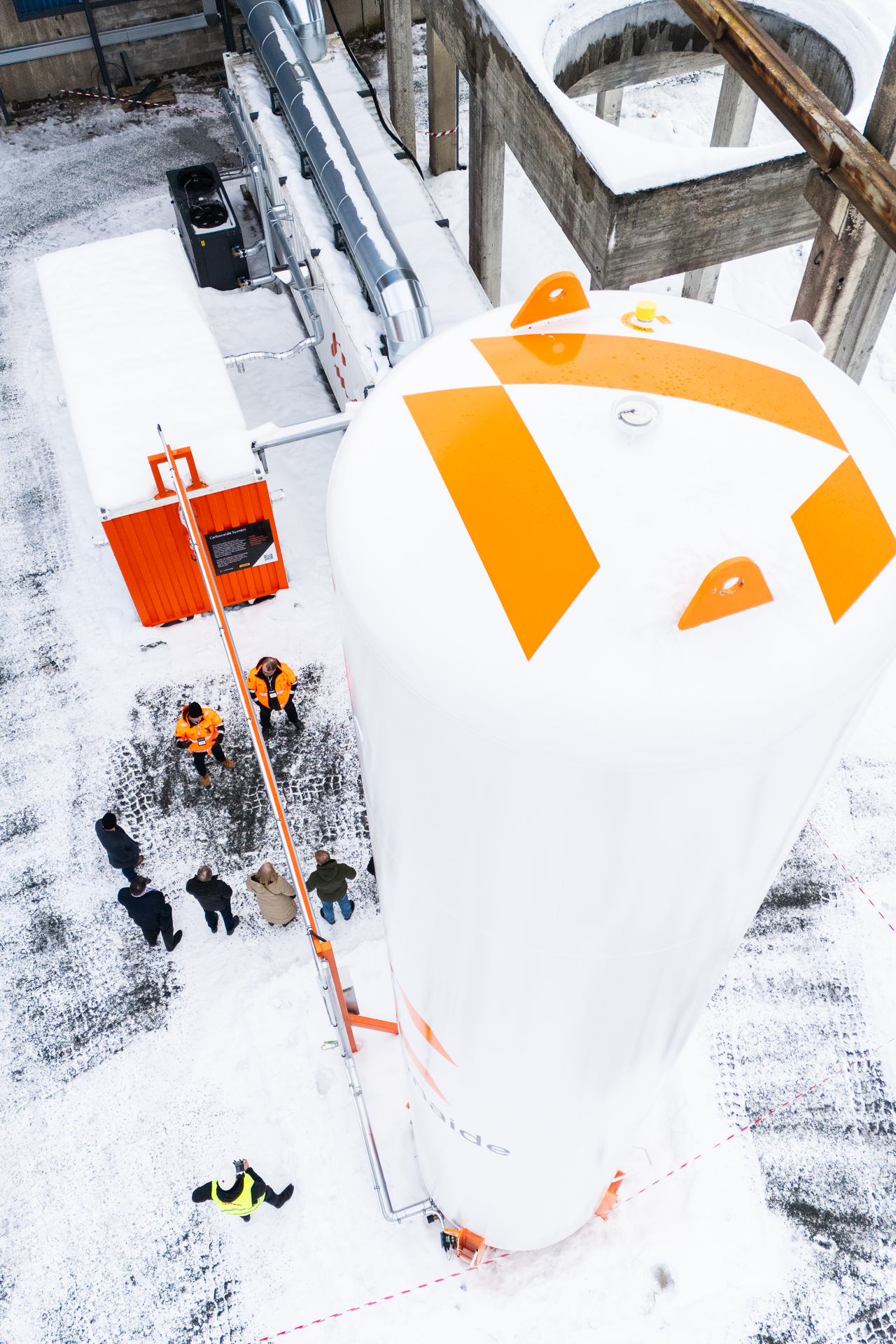
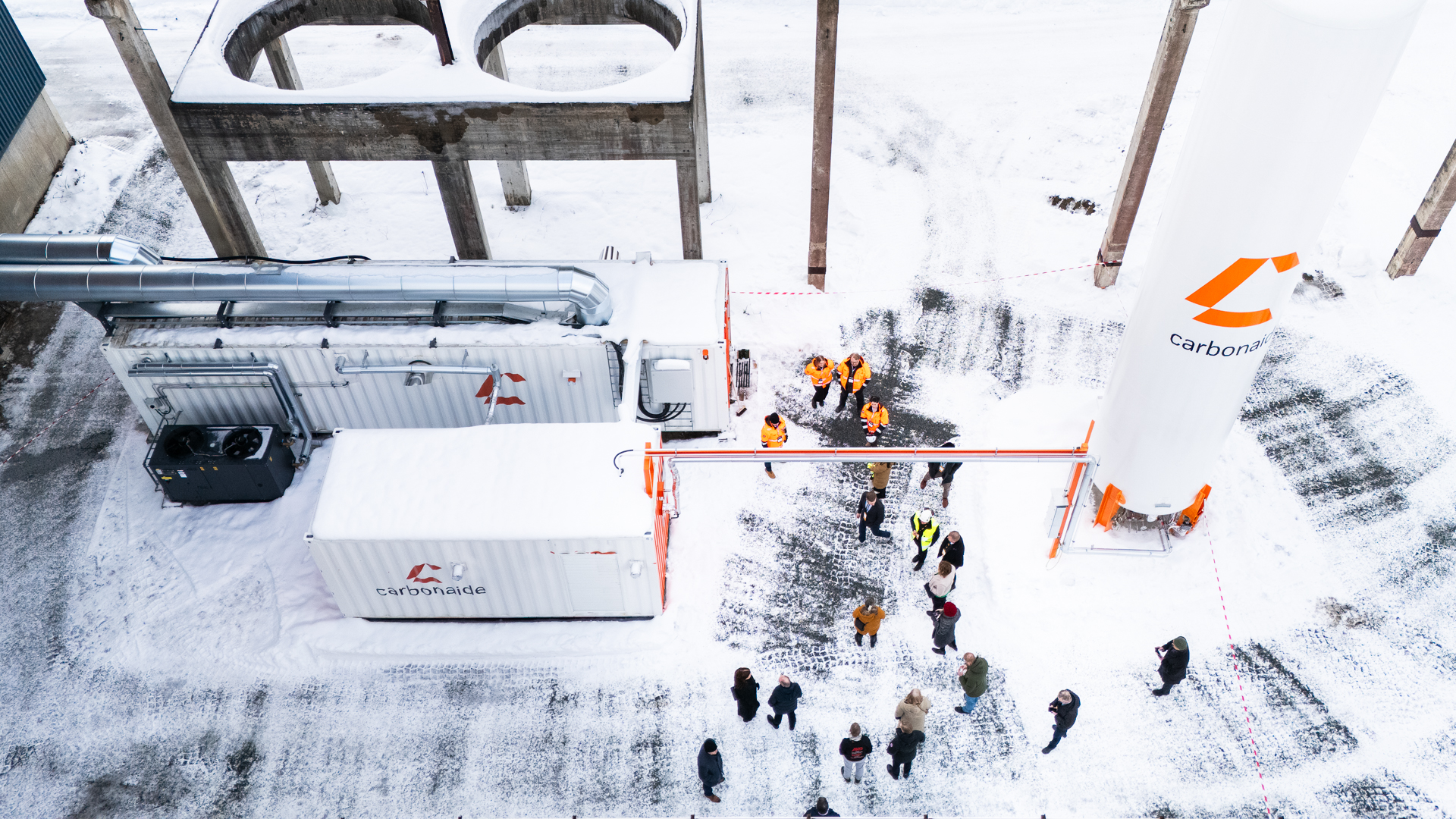
The primary equipment requirement is a CO₂ curing system that integrates with the existing concrete production line. This system includes specialised hardware for carbon dioxide injection, automated monitoring equipment, and digital controls that manage the entire mineralisation process.
The essential equipment modifications include:
- Modified curing chambers: Specially designed chambers that accommodate CO₂ injection systems and ensure proper distribution throughout the concrete matrix during the mineralisation process
- Automated CO₂ delivery systems: Precise injection equipment that operates at atmospheric pressure, simplifying installation while delivering controlled amounts of carbon dioxide to the curing environment
- Real-time monitoring equipment: Specialised sensors and tracking devices that monitor carbon storage progress and ensure optimal mineralisation conditions throughout the curing cycle
- Digital control systems: Integrated management platforms that coordinate all components and automate the CO₂ curing process while maintaining quality standards
This comprehensive equipment suite transforms the factory facility into a carbon storage operation while enhancing production efficiency. The modular design allows for seamless integration with both new facilities and existing production lines, reducing implementation complexity while ensuring component compatibility. Additionally, the automated systems reduce the need for traditional accelerators since the CO₂ naturally speeds curing times, enabling faster production cycles while simultaneously storing carbon dioxide permanently in the concrete products.
How are existing concrete plants modified for CO₂ curing technology?
Retrofitting existing facilities focuses on adapting the current curing infrastructure to accommodate CO₂ mineralisation processes while maintaining concrete quality standards. The modifications typically involve curing chamber adaptations, CO₂ delivery system installation, and integration of digital monitoring equipment.
The retrofit process begins with comprehensive design and specification services that adapt the existing concrete curing infrastructure for CO₂ mineralisation. These modifications enable concrete plants to integrate carbon capture and utilisation directly into their current curing operations. The technical expertise applied ensures optimal conditions for the mineralisation process while preserving the established quality standards.
Curing chamber modifications represent the most significant physical change, requiring specific design specifications to create optimal conditions for CO₂ mineralisation. The chambers need to accommodate CO₂ injection systems and ensure proper distribution throughout the concrete matrix. These adaptations integrate with the existing production workflows and facility layouts without requiring complete operational overhauls.
The integration process accommodates different concrete production workflows, allowing facilities to maintain their current production schedules while adding carbon storage capabilities. Installation typically involves connecting the CO₂ delivery systems to modified curing chambers and integrating monitoring equipment with the existing quality control protocols.
What support systems are needed for carbon-negative concrete production?
The critical support system is a cloud-based service platform that manages all aspects of the CO₂ mineralisation process through integrated digital controls. This platform provides real-time monitoring, process optimisation, and carbon credit verification capabilities.
Key support system components include:
- Smart CO₂ flow management: Scalable digital infrastructure that automatically regulates carbon dioxide distribution based on production demands and curing requirements using advanced algorithms
- Real-time process monitoring: Continuous tracking of hardware performance and mineralisation operations to optimise carbon storage outcomes and maintain consistent quality standards
- Carbon storage measurement: Automated quantification and documentation of CO₂ utilisation, providing accurate data for environmental impact verification and certification purposes
- Carbon credit generation: Certified documentation systems that enable monetisation of carbon storage achievements through transparent environmental impact reporting
- Professional maintenance services: Comprehensive project management covering delivery, setup, annual maintenance, and calibration procedures to ensure continuous operations
These integrated support systems create a complete operational ecosystem that transforms concrete production from an emission source into a verified carbon sink. The platform’s verification capabilities ensure transparency and accuracy in environmental reporting while providing the documented proof needed for carbon credit programmes and sustainability certifications.
Making the transition to carbon-negative concrete production requires coordinated infrastructure changes, but the modular approach allows for the implementation of these systems without major operational disruption. The combination of physical equipment modifications and digital management platforms provides the complete solution needed to transform any facility from a carbon emitter into a carbon sink.
If you are interested in learning more, contact our team of experts today.