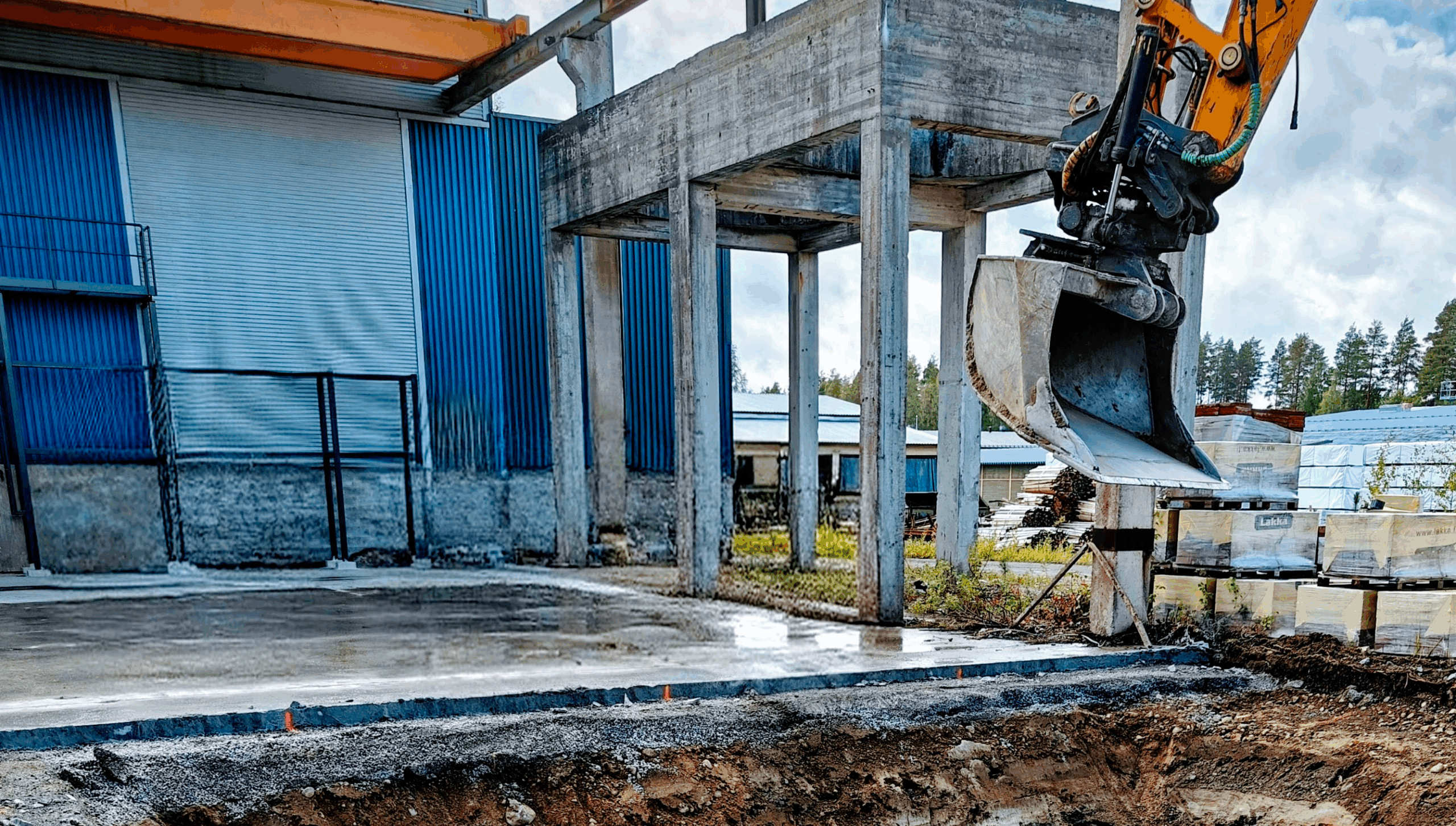

Precast concrete is concrete that is cast and cured in a controlled factory environment before being transported to construction sites. Unlike cast-in-place concrete, which is poured directly at the building location, precast elements are manufactured off-site under optimal conditions, then delivered ready for installation. This manufacturing approach offers superior quality control, faster construction timelines, and consistent results regardless of weather conditions.
What exactly is precast concrete and how is it different from regular concrete?
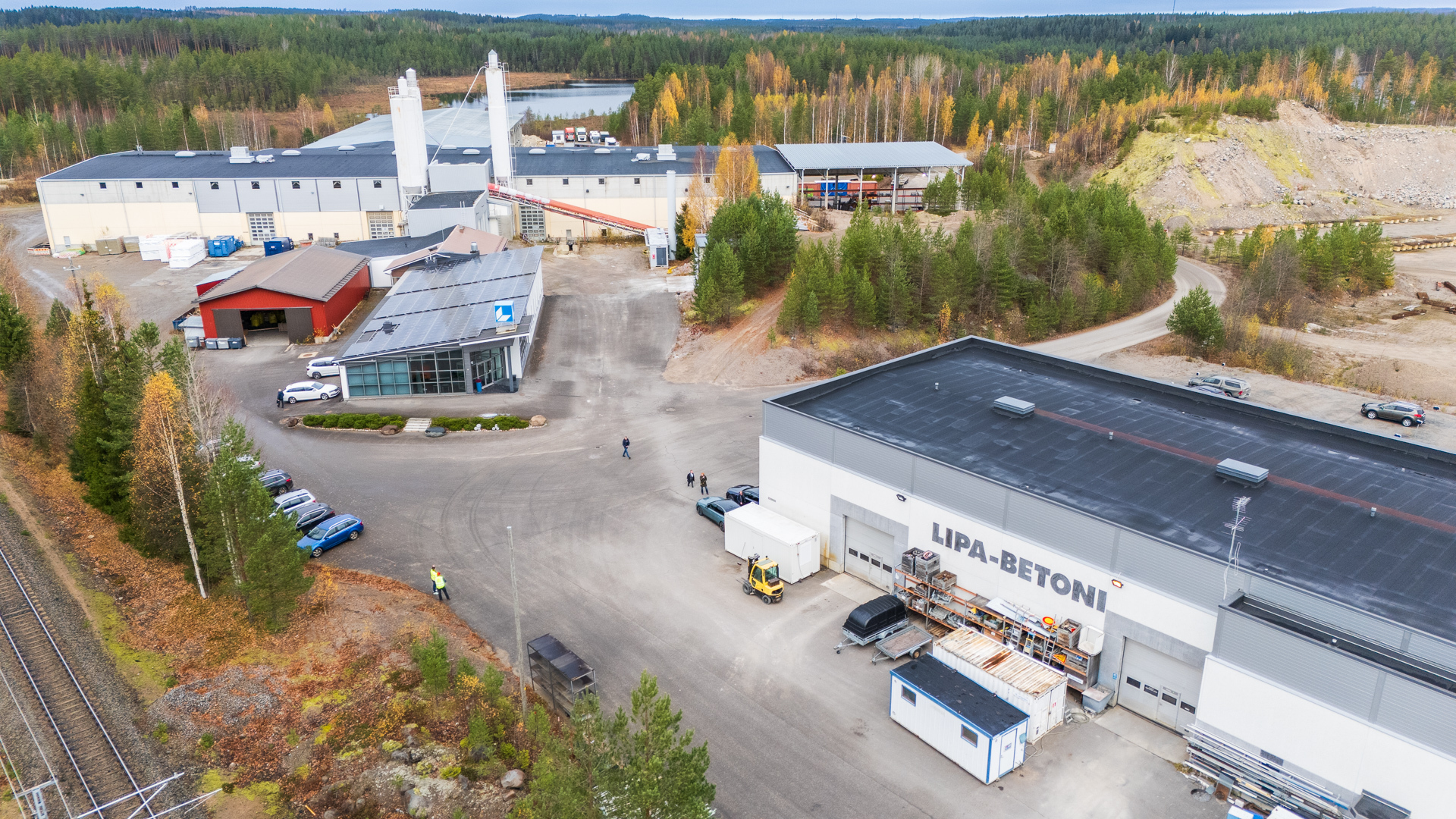
Precast concrete refers to concrete elements manufactured in a controlled factory setting rather than being poured directly at the construction site. The concrete is mixed, formed, and cured in specialised facilities where temperature, humidity, and quality can be precisely controlled throughout the entire process.
The key differences between precast and cast-in-place concrete include:
- Manufacturing environment: Precast concrete is produced in climate-controlled factories, while cast-in-place concrete must contend with variable weather conditions, limited quality control, and site constraints that can affect the final product
- Quality consistency: Factory conditions allow for consistent mix ratios, optimal curing temperatures, and rigorous quality testing before products leave the facility, ensuring each precast element meets exact specifications every time
- Material optimisation: Factories can optimise concrete mixes for specific applications, reduce waste through precise measurements, and implement advanced curing techniques that are not practical on construction sites
- Timeline predictability: Weather delays, temperature fluctuations, and inconsistent mixing conditions that often impact traditional concrete construction are eliminated in precast manufacturing
These controlled manufacturing advantages create a fundamental shift in how concrete construction projects are planned and executed. The factory environment transforms concrete production from a weather-dependent, site-specific process into a predictable manufacturing operation that delivers consistent quality and enables more efficient project scheduling.
What are the main benefits of using precast concrete in construction?
The advantages of precast concrete span multiple aspects of construction projects:
- Accelerated construction schedules: Elements arrive ready for installation, eliminating on-site concrete pouring and curing time, allowing projects to proceed regardless of weather conditions since the concrete work happens in controlled factory environments
- Superior quality control: Factory production enables consistent concrete mixes, proper curing conditions, and thorough testing before delivery, with each element undergoing quality checks that are not always possible with cast-in-place concrete
- Cost-effectiveness: Reduced labour requirements on-site and shorter construction timelines often offset initial investment costs, while projects can proceed with smaller on-site crews and fewer weather-related delays
- Enhanced design flexibility: Precast moulds can produce intricate architectural details, consistent textures, and precise dimensions repeatedly, enabling complex shapes and finishes that would be difficult or expensive to achieve with traditional concrete methods
- Environmental sustainability: Factory production enables precise material calculations, better concrete mix optimisation, and recycling of excess materials, while controlled environments allow for innovative curing methods that reduce environmental impact
These benefits combine to create a construction approach that addresses many traditional challenges in concrete construction. The controlled manufacturing process not only improves individual project outcomes but also enables innovation in concrete technology, making precast concrete an increasingly attractive option for modern construction projects seeking efficiency, quality, and sustainability.
How is precast concrete actually made and cured?
The precast concrete manufacturing process involves several carefully controlled steps:
- Precise mixing: Cement, aggregates, water, and admixtures are combined in controlled ratios within climate-controlled facilities where temperature and humidity remain constant
- Mould preparation and casting: The mixture is poured into steel or fibreglass moulds designed for specific elements, with moulds treated with release agents and reinforcement steel positioned precisely before concrete placement
- Traditional steam curing: Elements are placed in heated chambers with controlled humidity levels to accelerate the curing process, allowing concrete to reach required strength levels within hours rather than days while ensuring optimal cement hydration
- Advanced CO₂ curing methods: Innovative technologies enhance concrete strength while reducing environmental impact, accelerating curing times while reducing cement content needed for equivalent strength, with CO₂ becoming permanently mineralised within the concrete structure
- Quality assurance and storage: Comprehensive testing occurs throughout production with samples taken to verify strength, durability, and performance characteristics, with elements stored in controlled conditions until reaching full design strength before transport
This systematic manufacturing approach transforms concrete production into a precision operation that maximises both quality and efficiency. The controlled environment enables continuous innovation in concrete technology, from traditional steam curing to cutting-edge CO₂ curing systems that can make concrete production both faster and more environmentally beneficial.
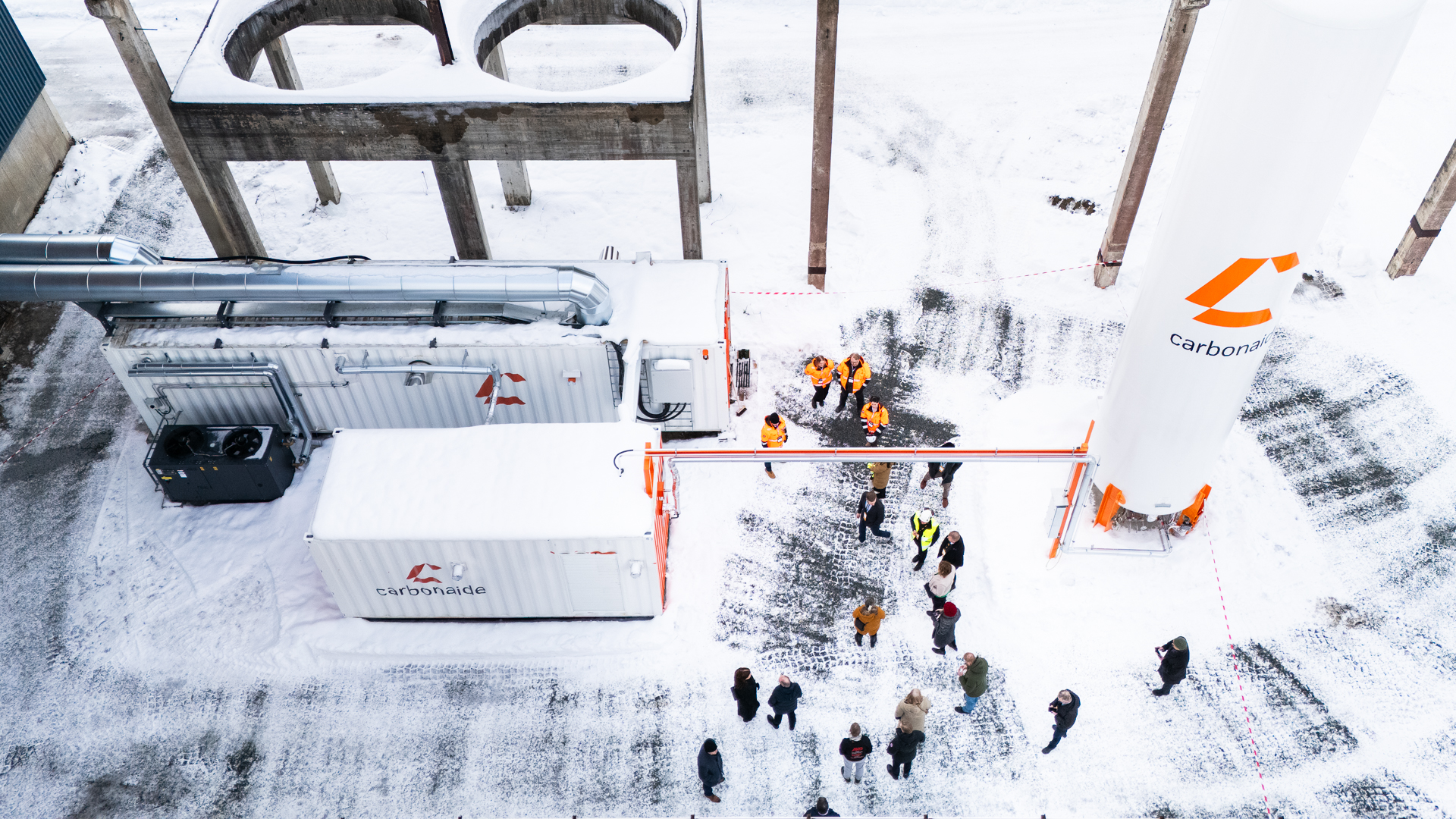
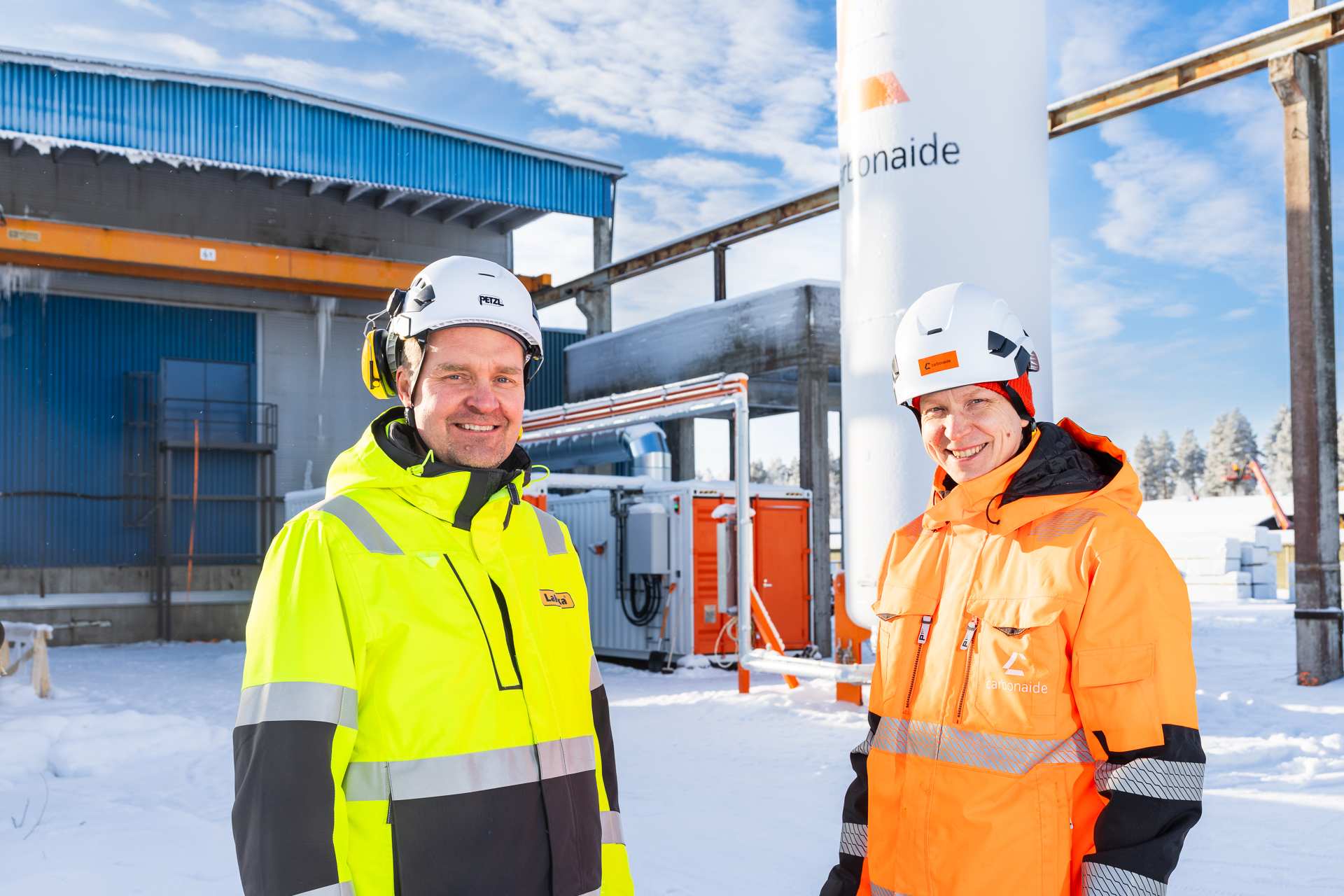
Understanding precast concrete opens opportunities for more efficient, sustainable construction methods. The controlled manufacturing environment enables innovations in concrete technology, including advanced curing techniques that can transform concrete production from an emission source into a carbon storage solution. At Carbonaide, we are developing CO₂ curing systems that make precast concrete production faster, stronger, and more environmentally beneficial, showing how traditional construction materials can become part of climate solutions through innovative manufacturing approaches.
If you are interested in learning more, contact our team of experts today.