
Several technologies can permanently store CO₂ in concrete through carbon mineralization processes. CO₂ curing technology represents the most practical approach, in which carbon dioxide is introduced during concrete production and becomes chemically bound within the concrete structure as stable carbonates. This permanent storage occurs through chemical reactions that transform CO₂ into solid mineral compounds, creating concrete that serves as a carbon sink while improving production efficiency and material properties.
What does it actually mean to permanently store CO₂ in concrete?
Permanent CO₂ storage in concrete means that the carbon dioxide becomes chemically bound within the concrete structure through carbon mineralization processes. This revolutionary approach involves several key mechanisms:
- Chemical transformation: CO₂ reacts with calcium-rich compounds in concrete to form stable calcium carbonate minerals that remain locked within the material permanently
- Solid-state conversion: The mineralization process transforms gaseous CO₂ into solid carbonates through irreversible chemical reactions
- Matrix integration: Carbon dioxide reacts with calcium hydroxide and other calcium compounds present in cement, creating calcium carbonate crystals that integrate directly into the concrete matrix
- Nucleation enhancement: The carbonation process produces ultrafine calcium carbonate particles that serve as nucleation sites for crystal formation, providing specific locations where both carbonates and hydrates can develop during curing
This permanent chemical bonding distinguishes carbon mineralization from temporary capture methods that store CO₂ in compressed gas form. The CO₂ becomes part of the concrete’s fundamental chemical structure and cannot leak back into the atmosphere, remaining stable for the entire lifespan of the concrete structure, which can span decades or centuries while contributing to both structural integrity and permanent carbon storage.
How does CO₂ curing technology transform concrete production?
CO₂ curing technology introduces carbon dioxide during the concrete curing phase, creating chemical reactions that simultaneously strengthen the material and reduce production time. This transformation involves multiple production improvements:
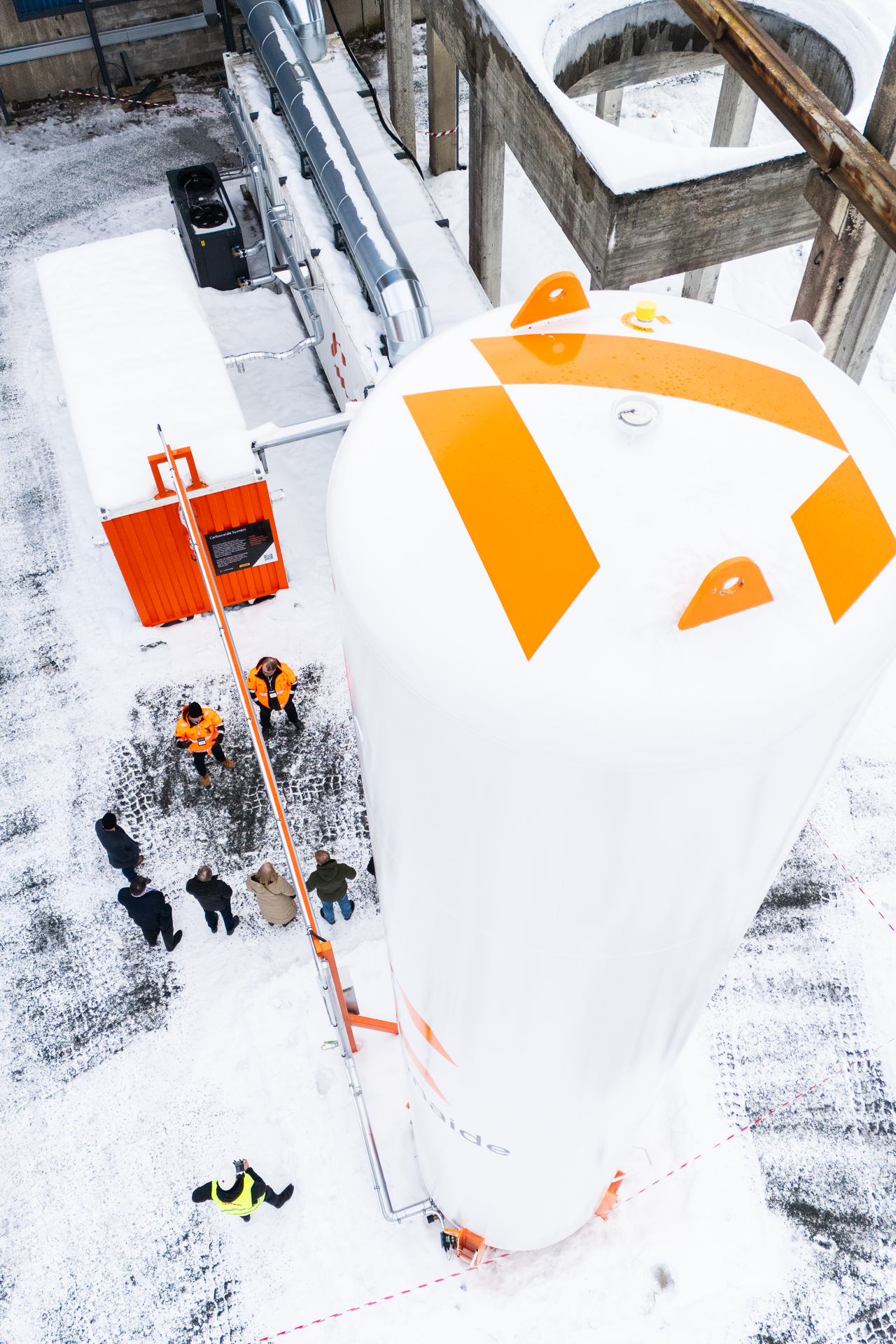
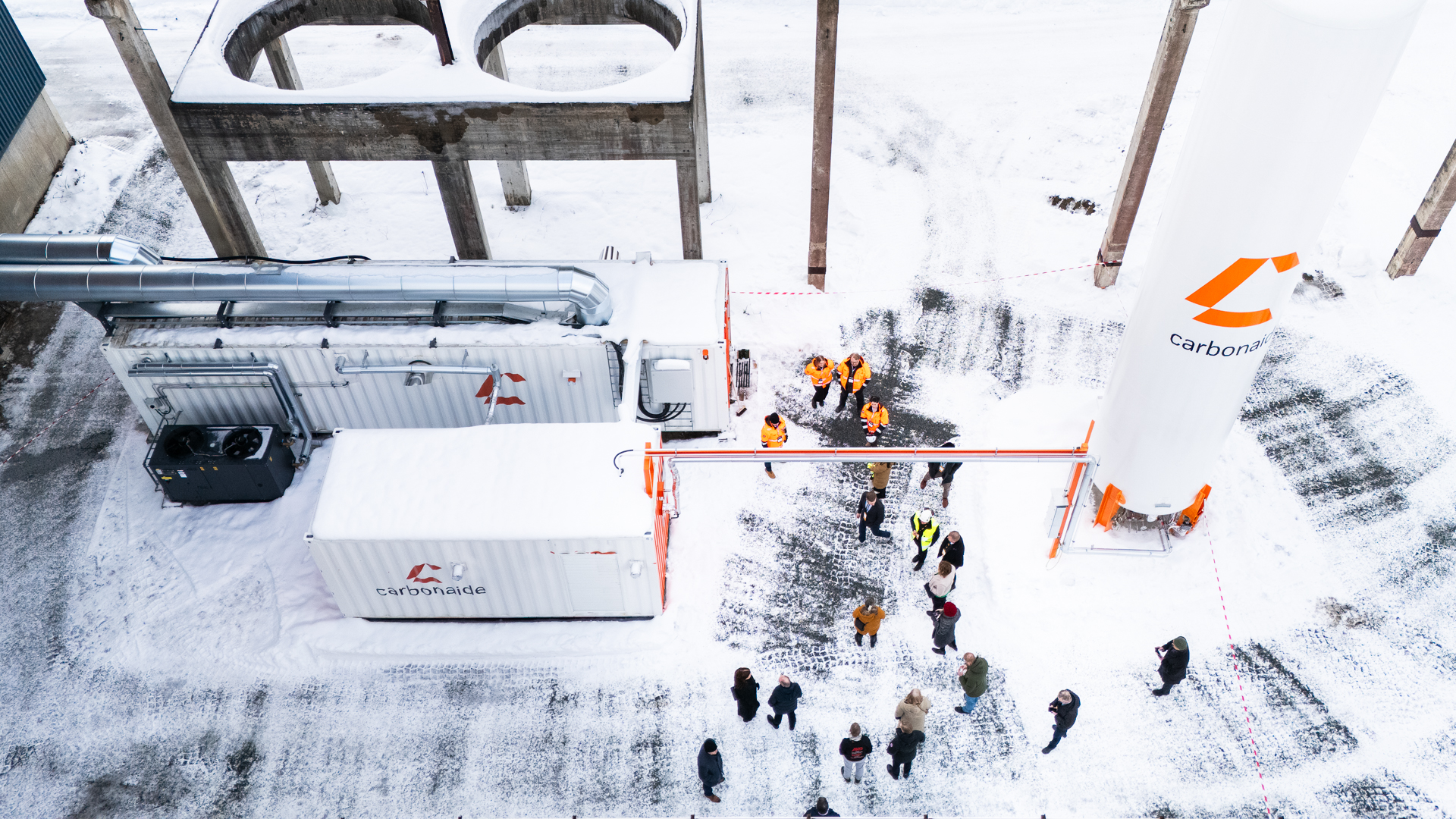
- Controlled injection systems: Specialized hardware manages CO₂ flow and distribution throughout the concrete matrix, ensuring uniform carbonation reactions with real-time monitoring that tracks utilization efficiency
- Accelerated nucleation: CO₂ reacts with calcium to form ultrafine calcium carbonate particles that create abundant nucleation sites, eliminating bottlenecks and allowing rapid strength development during critical first hours
- Cement reduction capabilities: The carbonation process enables producers to reduce cement content while maintaining performance standards, providing significant cost savings since cement represents a major production expense
- Enhanced material properties: CO₂ integration alters chemical composition through carbonation reactions, improving strength development and durability characteristics beyond traditional concrete specifications
These technological advances modify traditional manufacturing procedures to accommodate CO₂ injection systems while maintaining quality standards. The process creates a more efficient production cycle that delivers both environmental benefits and improved concrete performance, establishing a new paradigm for sustainable construction materials.
What’s the difference between CO₂ storage and traditional carbon capture methods?
CO₂ storage in concrete creates permanent chemical bonds through mineralization, while traditional carbon capture methods typically store CO₂ as compressed gas in underground formations or other temporary containment systems. Key differences include:
- Storage permanence: Carbon mineralization transforms CO₂ into stable solid compounds that cannot escape, while traditional methods face leakage risks because they store CO₂ in gaseous form requiring ongoing monitoring
- Energy requirements: Traditional approaches require continuous energy input to maintain storage conditions, whereas mineralized CO₂ remains stable without additional energy once the chemical bonds form
- Practical utility: Rather than storing CO₂ in remote locations, concrete storage creates useful building materials that serve as distributed carbon sinks while fulfilling structural functions
- Verification capabilities: Platform-based systems can measure exact quantities of CO₂ mineralized into products in real time, providing documented proof of permanent sequestration for carbon credit generation
This fundamental difference in storage mechanisms makes concrete mineralization both more reliable and economically viable than traditional capture methods. The dual purpose of carbon storage and material utility eliminates the economic burden of maintaining separate containment systems while providing measurable environmental benefits that support the construction industry’s sustainability goals.
Which concrete production methods can integrate CO₂ storage technology?
Precast concrete production offers the most suitable manufacturing environment for integrating CO₂ storage technology. The controlled factory conditions and standardized curing processes in precast facilities provide optimal conditions for consistent carbonation reactions and quality control. Integration options include:
- Retrofit solutions: Existing facilities can modify their curing chambers to accommodate CO₂ injection systems through targeted infrastructure adaptations that maintain concrete quality standards
- New facility integration: Manufacturing setups can incorporate CO₂ storage technology from the initial design phase, allowing optimized layouts that maximize carbonation efficiency and production speed improvements
- Flexible configurations: The technology adapts to various facility configurations and production requirements without disrupting ongoing operations through complete CO₂ curing solutions
- Enhanced material utilization: CO₂ exposure transforms calcium-rich supplementary materials that would otherwise remain non-reactive into highly effective binding agents, expanding usable industrial waste materials as cement replacements
These integration approaches ensure that CO₂ storage technology can accommodate different concrete production workflows while providing advanced carbonation capabilities. The flexibility of implementation allows both established producers and new facilities to adopt carbon storage solutions that align with their operational requirements and sustainability objectives.
How do you measure and verify permanent CO₂ storage in concrete?
Permanent CO₂ storage in concrete is measured through real-time monitoring systems that track carbon mineralization quantities during the curing process. Comprehensive measurement involves several verification components:
- Digital platform integration: The Carbonaide Service Platform provides continuous monitoring of hardware performance and mineralization operations, ensuring consistent carbon storage efficiency through integrated digital controls
- Real-time analytics: Smart flow management algorithms regulate CO₂ distribution based on production demands while tracking utilization efficiency, measuring flow rates, carbonation reactions, and carbon dioxide transformation quantities
- Certification generation: Measurement systems create documented certifications that verify carbon storage achievements, enabling concrete producers to monetize results through carbon credit markets
- Cloud-based monitoring: Scalable digital infrastructure enables remote monitoring and control with enterprise-grade security, accommodating facilities of various sizes while maintaining consistent measurement accuracy
These comprehensive verification protocols ensure that every aspect of CO₂ storage can be accurately measured, documented, and certified. The combination of real-time monitoring, digital analytics, and cloud-based infrastructure creates a robust system for tracking permanent carbon storage while supporting the operational and financial objectives of concrete producers seeking verified environmental benefits.
Understanding permanent CO₂ storage technologies in concrete opens opportunities for transforming the construction industry. These carbon mineralization approaches provide practical pathways for concrete manufacturers to reduce emissions while improving production efficiency. At Carbonaide, we continue to develop comprehensive solutions that make carbon storage in concrete both technically feasible and economically viable for the global construction industry.