
The construction industry holds immense power to tackle climate change, but it’s currently working against us rather than with us. This sector generates massive carbon emissions through concrete production, cement manufacturing, and the sheer scale of global building activity. However, this same industry offers one of the biggest opportunities to transform from a major emission source into an active climate solution through innovative materials and carbon storage technologies.
Why does the construction industry produce so much carbon?
Construction creates enormous carbon emissions due to several interconnected factors that compound the industry’s environmental impact:
- Cement manufacturing process – Requires heating limestone to extremely high temperatures, releasing stored carbon dioxide from the rock itself while burning fossil fuels for energy
- Chemical CO₂ release – The fundamental chemistry of creating cement inherently produces CO₂, beyond just energy consumption concerns
- Massive global scale – Millions of structures built worldwide annually, from homes and offices to roads and bridges, with each cubic metre of traditional concrete releasing substantial carbon dioxide
- Heavy material transportation – Moving construction materials over long distances requires significant fuel consumption and associated emissions
- Energy-intensive operations – Construction machinery and manufacturing of steel and other building components consume enormous amounts of energy
- Industry ubiquity – Construction touches nearly every aspect of modern development, making its environmental impact unavoidable under current methods
These factors create a perfect storm of carbon emissions that makes construction one of the most significant contributors to climate change. The industry’s fundamental processes, combined with its enormous scale and essential role in global development, have created an environmental challenge that demands immediate transformation through innovative approaches and technologies.
What makes construction important for solving climate change?
Construction offers unique advantages that position it as a powerful force for climate solutions when properly transformed:
- Massive transformation potential – The same scale that creates emissions problems can become a solution when multiplied across millions of climate-positive buildings
- Long-term carbon storage – Buildings last decades or centuries, meaning every climate-positive construction decision has permanent, long-lasting impact
- Dual emission benefits – The industry can achieve both emission reductions and active carbon removal simultaneously, unlike most other sectors
- Permanent CO₂ sequestration – When buildings become carbon storage units, they lock away CO₂ indefinitely rather than just reducing future emissions
- Industry ripple effects – Better building materials drive innovation in manufacturing, transportation, and energy systems beyond individual projects
- Essential infrastructure needs – Society requires continued construction, making it a sector where climate solutions align with necessary development
This combination of scale, permanence, and necessity makes construction uniquely positioned to transform from climate problem to climate solution. The industry’s essential role in human development means that solving its carbon challenge creates lasting, widespread impact that extends far beyond individual building projects.
How can building materials actually store carbon instead of producing it?
Carbon mineralisation technology transforms CO₂ from a waste product into a useful ingredient that strengthens concrete while permanently storing carbon. This process captures carbon dioxide and chemically bonds it into the concrete structure, where it remains locked away indefinitely.
CO₂ curing processes work by exposing concrete to carbon dioxide during the curing phase. The CO₂ reacts with the concrete materials, forming stable carbonates that become part of the concrete’s structure. This process actually improves the concrete’s properties while storing carbon that would otherwise enter the atmosphere.
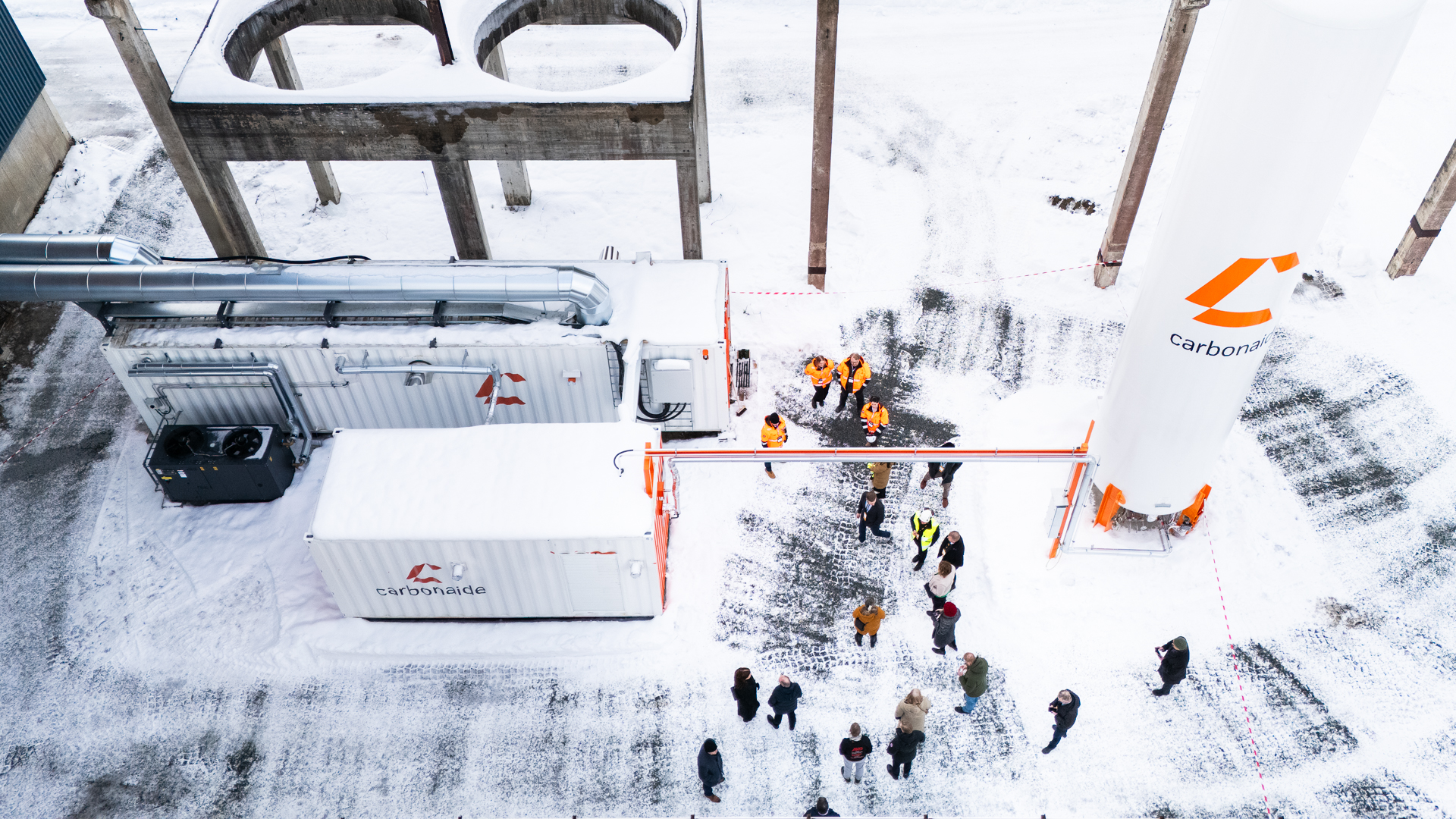
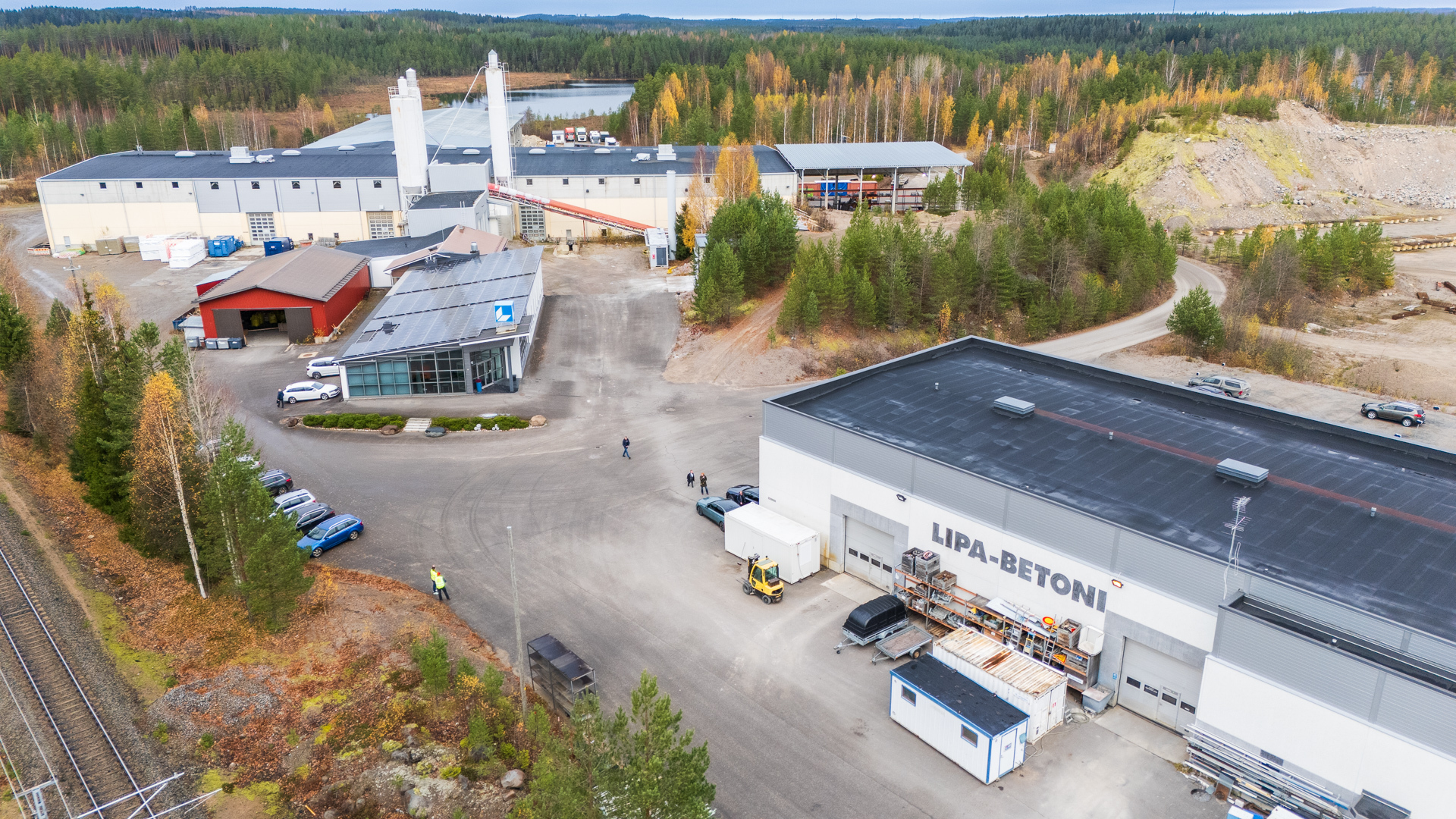
We’ve developed technology that makes this process practical for commercial concrete production. Our CO₂ curing system integrates with existing concrete manufacturing, allowing producers to reduce cement content while strengthening their products and storing carbon. The process works at atmospheric pressure and can retrofit existing facilities.
This approach maintains structural integrity because the carbon storage happens through chemical bonding, not just physical trapping. The CO₂ becomes part of the concrete’s molecular structure, creating permanent storage with zero risk of leakage. Combined with alternative binders and industrial by-products, this technology can produce concrete with net-negative carbon footprints.
The construction industry’s transformation from climate problem to climate solution depends on scaling these carbon storage technologies. By turning every building project into a carbon removal opportunity, we can address climate change while meeting society’s infrastructure needs.
If you are interested in learning more, contact our team of experts today.
Related Articles
- How do concrete manufacturers evaluate emission reduction investments?
- What is precast concrete?
- What are supplementary cementitious materials (SCMs) in concrete?
- What is the lifespan difference between traditional and eco-friendly concrete?
- What are the environmental benefits of sustainable concrete in 2026?