
Concrete and cement are not the same material, though people often confuse them. Cement is a binding powder that acts as one ingredient in concrete, while concrete is the final composite material made by mixing cement with water, sand, and gravel. Think of cement as flour in bread-making—it’s important, but you need other ingredients to create the finished product. Understanding this difference is vital for construction projects.
What exactly is cement and how is it made?
Cement is a fine powder that acts as a binding agent when mixed with water. The manufacturing process involves several critical steps that transform raw materials into this essential construction component:
- Raw material preparation: Limestone, clay, and iron ore are quarried and crushed into precise proportions
- High-temperature processing: Materials are fed into rotating kilns heated to approximately 1,450°C, creating chemical reactions that form clinker
- Grinding and finishing: The cooled clinker is ground with small amounts of gypsum to create Portland cement powder
- Hydration activation: The powder remains inactive until water is added, triggering the binding process
This manufacturing process creates a highly reactive powder that serves as the foundation for concrete production. The intense heat treatment fundamentally changes the chemical structure of the raw materials, giving cement its unique binding properties. However, cement alone is not suitable for construction, it requires combination with other materials to achieve the strength and durability needed for building applications.
What is concrete and what makes it different from cement?
Concrete is a composite material that combines cement with other essential components to create a superior building material:
- Cement content (10-15%): Provides the binding agent that holds all components together
- Water: Activates the cement through hydration, creating the binding paste
- Fine aggregates (sand): Fill small voids and provide workability during placement
- Coarse aggregates (gravel/stone): Provide bulk, strength, and dimensional stability
These components work synergistically to create a material far superior to cement alone. The aggregates provide economic benefits by reducing cement requirements while delivering structural advantages that cement paste cannot achieve independently. Concrete can handle compression forces much better than pure cement, making it ideal for foundations, walls, and load-bearing structures. The combination also provides extended workability, allowing proper placement and finishing before the material sets into its final durable form.
Why can’t cement and concrete be used interchangeably?
The structural and economic differences between cement and concrete make them unsuitable for interchangeable use:
- Structural integrity: Pure cement paste lacks the aggregate framework needed to distribute loads effectively
- Shrinkage control: Cement alone shrinks significantly during curing, causing extensive cracking
- Cost considerations: Using pure cement is prohibitively expensive for large-scale applications
- Durability factors: Cement paste cannot withstand the environmental stresses that concrete handles routinely
These fundamental differences explain why cement works well for specific applications like mortar joints or small repairs, while concrete is essential for substantial construction projects. Concrete distributes loads effectively through its aggregate structure, providing the resilience needed for driveways, foundations, and structural elements. Understanding these limitations prevents costly mistakes and ensures appropriate material selection for each construction application.
How do modern innovations change concrete and cement production?
Contemporary advances in concrete and cement technology focus on environmental sustainability while maintaining structural performance:
- Alternative binders: Alkali-activated materials and geopolymers reduce reliance on traditional Portland cement
- Supplementary Cementitious Materials (SCMs): Industrial byproducts like slag and ash improve properties while reducing waste
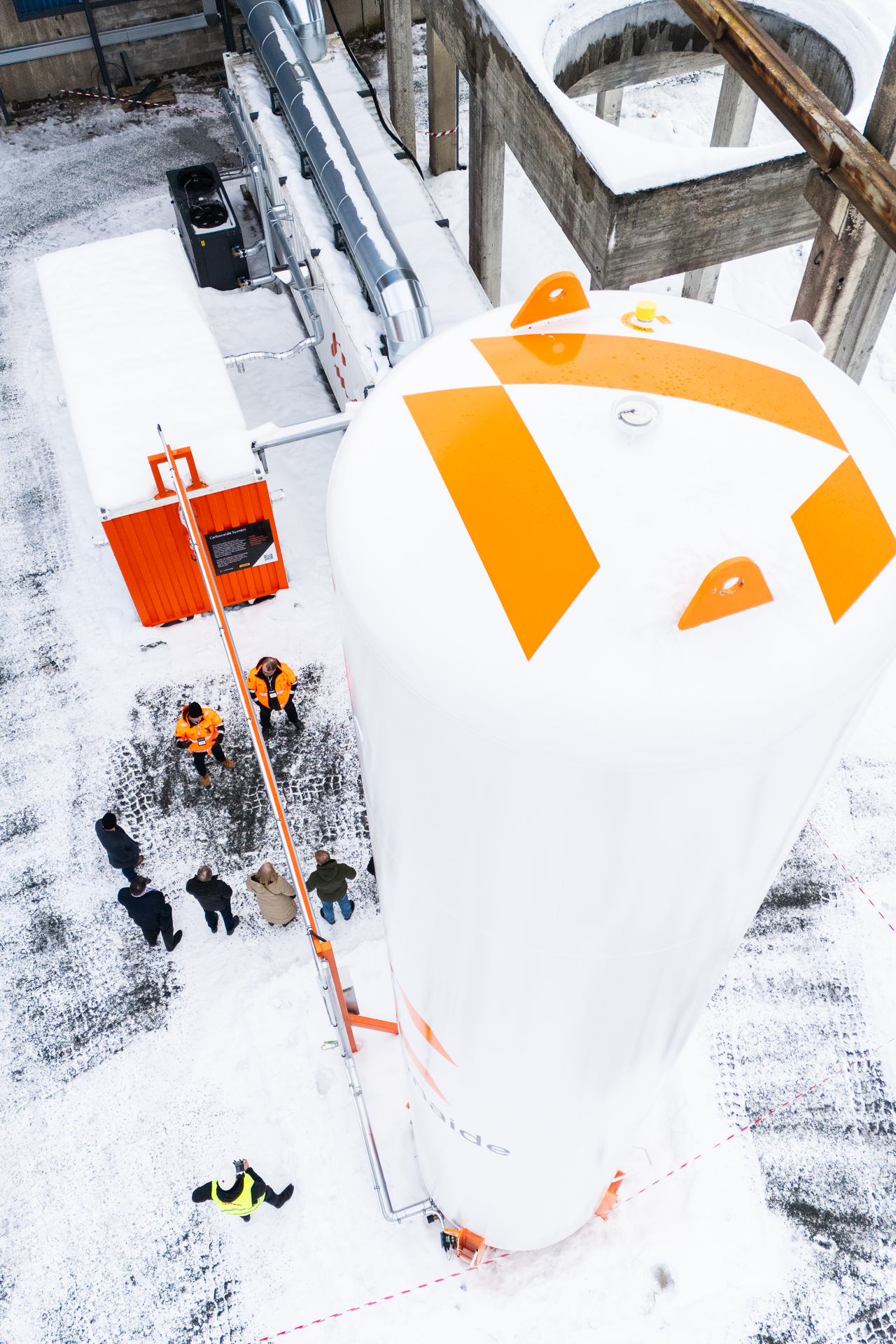
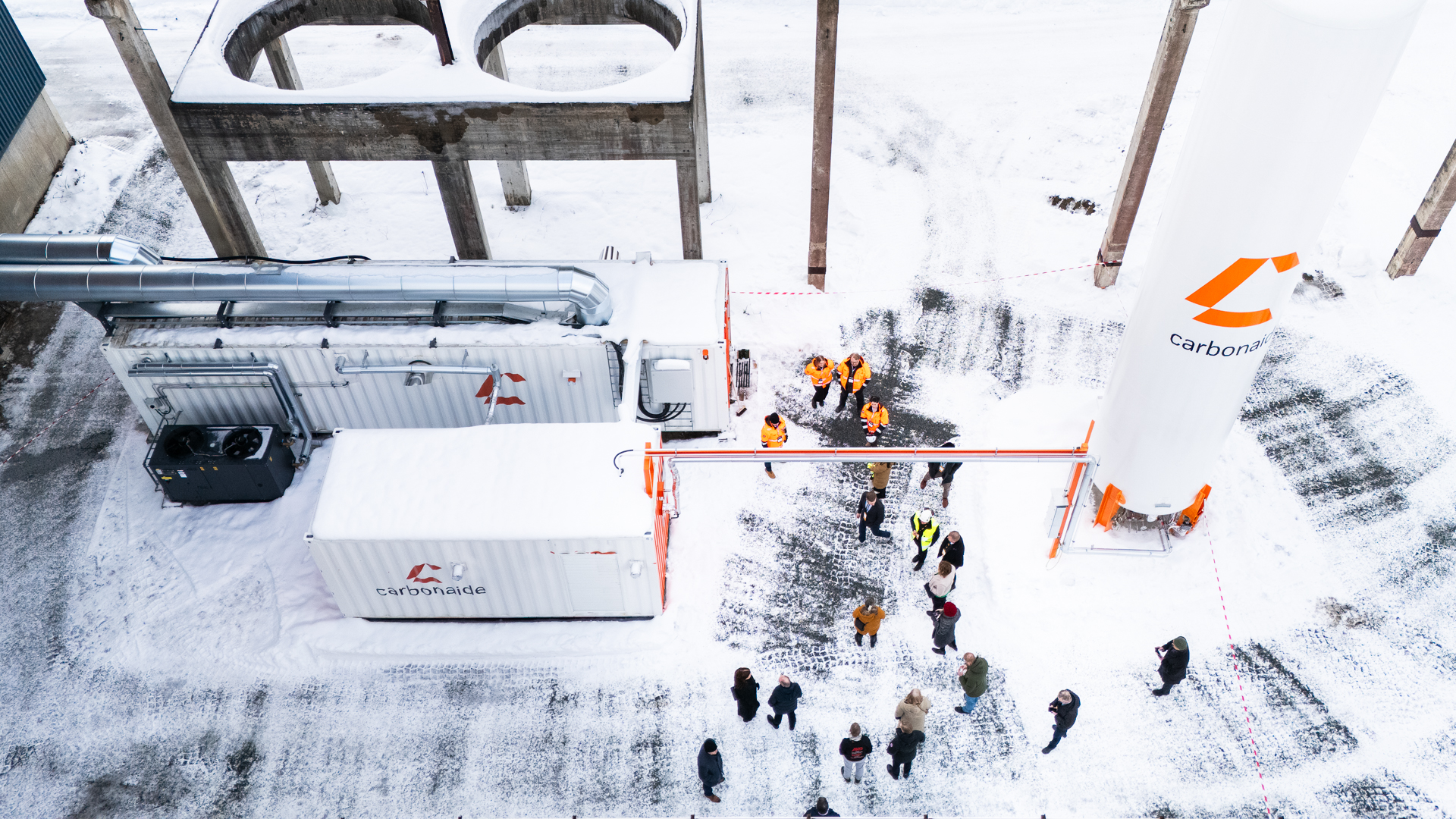
- Carbon utilisation technologies: Capture and mineralise CO2 directly into concrete during production
- Advanced curing systems: Integrate carbon dioxide into the curing process to strengthen concrete while reducing cement content
These innovations represent a fundamental shift toward sustainable construction materials without compromising performance. Carbon utilisation technologies particularly stand out because they transform concrete from an emission source into a carbon storage medium. This approach not only reduces emissions but creates permanent carbon sequestration within building structures. The integration of these technologies with both traditional and alternative binding systems offers unprecedented flexibility for addressing environmental concerns while meeting diverse construction requirements. Despite these technological advances, the fundamental relationship between cement and concrete remains unchanged—cement continues to serve as the binding agent, while concrete provides the composite strength essential for structural applications.
If you are interested in learning more, contact our team of experts today.