
The construction industry relies heavily on materials that generate substantial carbon emissions during production. Concrete, steel, aluminum, and glass are the most carbon-intensive construction materials, primarily due to energy-intensive manufacturing processes and chemical reactions that release CO2. Understanding the environmental impact of these materials helps builders make informed decisions about sustainable construction practices.
Which construction materials produce the most carbon emissions?
The construction industry’s highest carbon-emitting materials include:
- Concrete – Generates approximately one tonne of CO2 per tonne of cement through energy-intensive heating processes and chemical reactions that directly release CO2 from limestone
- Steel – Requires blast furnace temperatures exceeding 1,500°C and chemical reactions between iron ore and coke that inherently produce CO2 as a byproduct
- Aluminum – Demands extraordinary electricity consumption for electrolytic smelting, making its carbon footprint heavily dependent on grid energy sources
- Glass – Involves melting sand and additives at temperatures around 1,700°C, requiring continuous high-energy operations
These materials dominate construction emissions because they combine energy-intensive production processes with massive global usage volumes. The scale at which these materials are consumed worldwide amplifies their individual carbon footprints, making them the primary targets for emission reduction strategies in sustainable construction practices.
Why is concrete considered the biggest carbon problem in construction?
Concrete generates more construction-related CO2 emissions than any other material because of its massive global usage combined with the carbon-intensive cement production process. Every tonne of cement produces roughly one tonne of CO2 through both energy consumption and chemical reactions.
The cement manufacturing process involves heating limestone (calcium carbonate) with clay in kilns at temperatures around 1,450°C. This creates two sources of emissions: the fuel burned to reach these temperatures and the chemical breakdown of limestone, which releases CO2 directly from the stone itself. This chemical process, called calcination, accounts for roughly half of cement’s carbon emissions.
Concrete’s dominance in construction amplifies this problem. Nearly every building, road, bridge, and infrastructure project uses concrete as a primary material. The sheer volume of concrete produced globally means that even small improvements in its carbon footprint can have massive environmental benefits.
Traditional Portland cement concrete typically contains around 10–15% cement by weight, but this small percentage drives most of the material’s carbon emissions. The remaining components—sand, gravel, and water—have relatively minimal carbon footprints compared to the cement binder that holds everything together.
What makes steel and aluminum so carbon-intensive to produce?
Steel and aluminum production requires extremely high temperatures and energy-intensive processes that rely heavily on fossil fuels and electricity. Steel production involves chemical reactions that release CO2, while aluminum smelting demands continuous electrical power for the electrolytic extraction process.
Steel manufacturing starts with heating iron ore, coke, and limestone in blast furnaces at temperatures exceeding 1,500°C. The coke (processed coal) serves both as fuel and as a reducing agent that strips oxygen from iron ore. This chemical reduction process inherently produces CO2 as oxygen from the iron ore combines with carbon from the coke.
The steel industry has developed more efficient electric arc furnaces for recycling scrap steel, which significantly reduces emissions compared to primary production. However, construction often requires new steel with specific properties, limiting the use of recycled content in structural applications.
Aluminum production involves dissolving aluminum oxide in molten cryolite and passing massive electrical currents through the solution. This electrolytic process requires continuous power input, making aluminum’s carbon footprint heavily dependent on the electricity grid’s carbon intensity. Countries with coal-powered electricity generate much higher aluminum emissions than those using renewable energy sources.
How can the construction industry reduce its carbon footprint?
The construction industry can implement several emission reduction strategies:
- Alternative binders – Alkali-activated materials and geopolymers can partially or completely replace Portland cement by chemically activating industrial byproducts like slag or ash
- Supplementary Cementitious Materials (SCMs) – Slag, fly ash, and other materials can replace portions of cement in concrete mixes while maintaining structural performance
- Enhanced recycling practices – Electric arc furnaces for steel recycling and increased use of recycled content reduce primary material production emissions
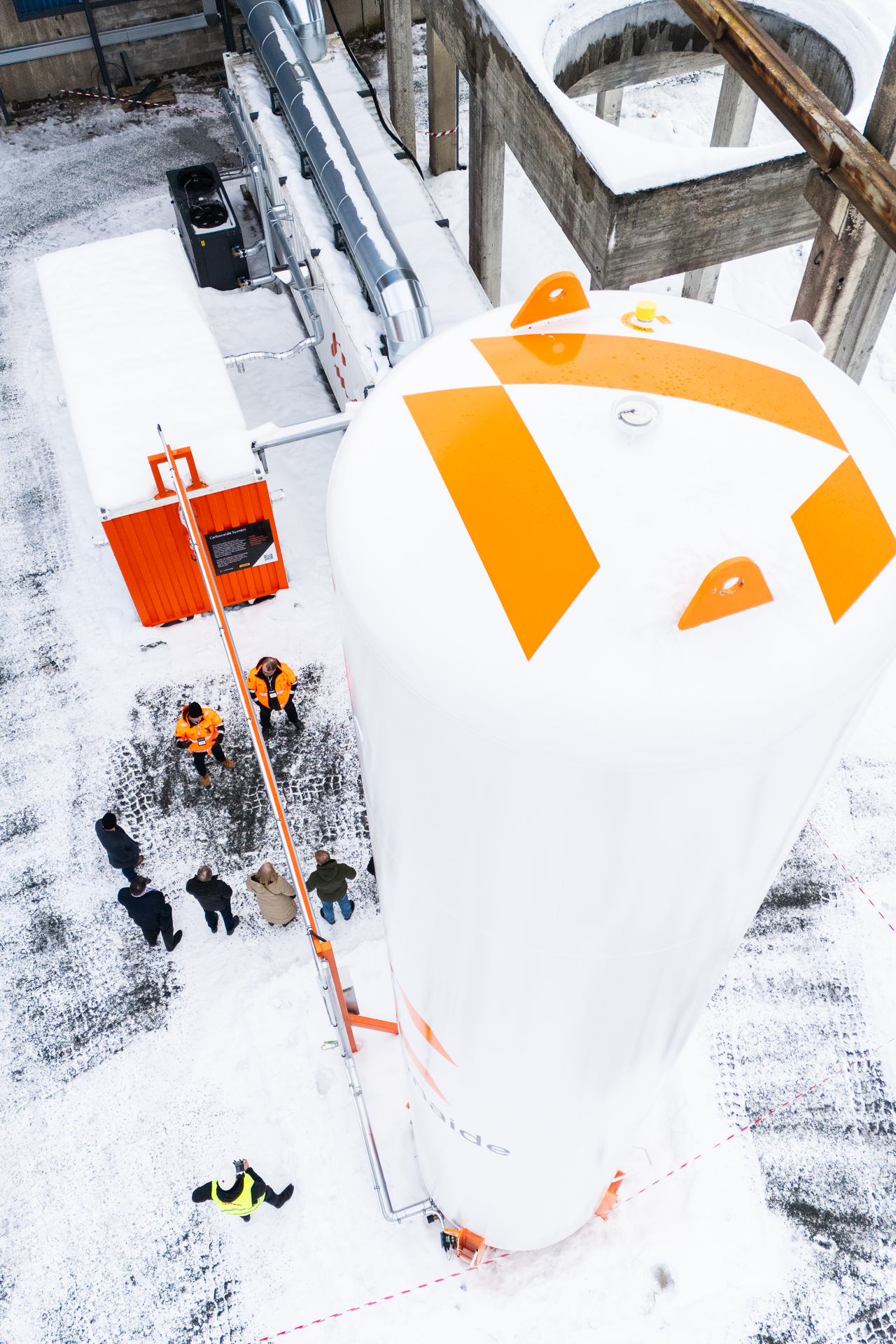
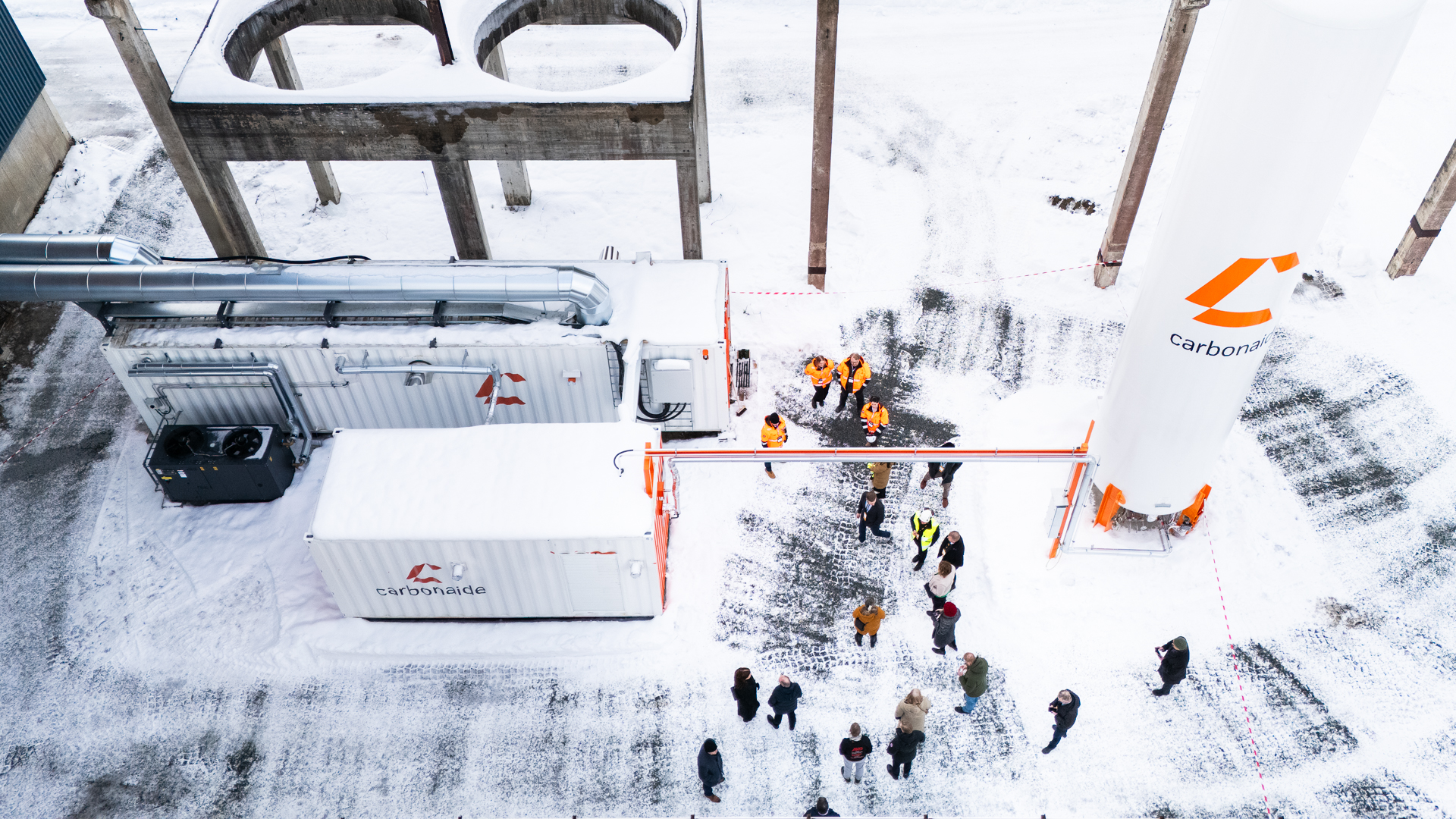
- Carbon utilization technologies – CO2 curing systems that mineralize carbon dioxide directly into concrete during production, transforming the material into a carbon sink
- Improved production methods – Energy-efficient manufacturing processes and renewable energy integration in material production facilities
These approaches work synergistically to address the construction industry’s carbon challenge from multiple angles. By combining reduced cement usage through alternative materials, enhanced recycling of high-carbon materials like steel and aluminum, and innovative technologies that capture CO2 during production, the industry can transform from a major emission source into a carbon storage solution while maintaining the structural performance required for safe, durable construction.
Understanding carbon-intensive construction materials helps builders make better environmental choices. While concrete, steel, aluminum, and glass will remain important construction materials, emerging technologies and alternative approaches offer promising paths toward lower-carbon building practices. The key lies in combining reduced material usage, alternative formulations, and innovative production methods that capture rather than release CO2.
If you are interested in learning more, contact our team of experts today.