
Concrete curing time in precast production depends on several interconnected factors that manufacturers must carefully balance to optimize both efficiency and quality. Understanding these variables enables facilities to reduce production cycles while maintaining performance standards.
What exactly happens during concrete curing and why does timing matter?
Concrete curing involves complex hydration reactions in which cement particles react with water to form calcium silicate hydrates that bind the mixture together. During this process, concrete gradually develops strength through crystal formation and chemical bonding that continues for weeks or even months after initial mixing.
The timing directly impacts production efficiency because precast manufacturers need concrete elements to reach sufficient strength before demoulding, handling, and transport. The key factors affecting curing time include:
- Environmental conditions: Temperature and humidity levels that control reaction rates and moisture retention
- Mix design parameters: Cement content, water ratios, and chemical admixtures that influence hydration speed
- Curing methods: Traditional air curing versus accelerated techniques like steam or carbon dioxide curing
- Production requirements: Target strength levels and quality specifications that determine minimum curing duration
These interconnected factors create a complex optimization challenge where faster curing increases production capacity and reduces inventory costs, while ensuring adequate curing time maintains concrete quality and long-term durability. Manufacturers must balance production efficiency with performance requirements to achieve optimal results.
The hydration process occurs in stages, beginning with what is known as the seeding stage, where initial strength development starts. During this phase, chemical reactions create nucleation sites where crystal formation begins, establishing the foundation for continued strength development throughout the curing period.
Understanding curing timing helps manufacturers balance quality requirements with production schedules. Concrete that cures too quickly may develop internal stresses or reduced long-term durability, while overly slow curing reduces manufacturing throughput and increases costs.
How do temperature and humidity affect concrete curing speed?
Higher temperatures accelerate chemical reactions during hydration, significantly reducing curing time, while lower temperatures slow the process. Optimal curing temperatures typically range between 20–30°C, with temperatures above 35°C potentially causing rapid moisture loss and reduced final strength.
Humidity levels must remain high during curing to prevent surface drying and ensure complete hydration reactions. Low-humidity environments can cause surface cracking and incomplete strength development, particularly in the first 24–48 hours when concrete is most vulnerable.
Precast facilities often use controlled curing environments to optimise these conditions. Steam-curing chambers maintain both temperature and humidity at ideal levels, allowing concrete elements to achieve the required strength in hours rather than days.
The combination of temperature and humidity creates what manufacturers call the curing environment, which directly influences production scheduling. Consistent environmental control enables predictable curing times and reliable production planning throughout different seasons and weather conditions.
What role does concrete mix design play in curing time?
Mix design fundamentally determines how quickly concrete develops strength and reaches production readiness. The composition and proportions of materials create the chemical foundation for hydration reactions that drive the curing process.
Key mix design factors that influence curing speed include:
- Cement content: Higher cement content generally accelerates initial strength development but can generate excessive heat in larger elements
- Water-to-cement ratio: Lower ratios typically result in faster strength development and improved long-term durability
- Supplementary materials: Slag, fly ash, and other pozzolans may slow early-age strength but enhance long-term performance
- Chemical admixtures: Accelerators speed reactions while plasticizers enable water reduction for faster curing
- Aggregate properties: Size, shape, and thermal characteristics affect heat generation and dissipation during hydration
Successful mix optimization requires balancing these components to achieve target curing times without compromising concrete quality or workability. Modern precast facilities often develop multiple mix designs tailored to specific products, curing methods, and production schedules to maximize efficiency across their operations.
Mix optimisation becomes particularly important when using industrial by-products or alternative materials. For example, certain calcium-rich materials that remain non-reactive under normal conditions can become effective binding agents when exposed to specific curing environments, potentially reducing the required cement content while maintaining performance standards.
How can modern curing technologies reduce production time?
Advanced curing methods, including steam curing, carbon dioxide curing, and automated systems, can reduce curing time while maintaining or improving concrete quality. Steam curing accelerates hydration through controlled heat and moisture application, typically achieving the required strength in 6–18 hours.
Carbon dioxide curing technology offers particularly promising results by addressing nucleation bottlenecks that can limit reaction rates during the early hours of hydration. When carbon dioxide reacts with calcium in cement, it creates ultrafine calcium carbonate particles that serve as nucleation sites, accelerating the formation of strength-developing crystals.
These modern technologies often integrate with digital platforms that monitor and optimise curing parameters in real time. Such systems can adjust temperature, humidity, and gas flow based on concrete composition and target specifications, ensuring consistent results while maximising production efficiency.
The flexibility of modern curing systems allows manufacturers to adapt processes based on specific requirements. Whether prioritising faster production cycles or optimising material usage, automated curing technologies can be configured to balance multiple objectives while reducing overall production time compared with traditional methods.
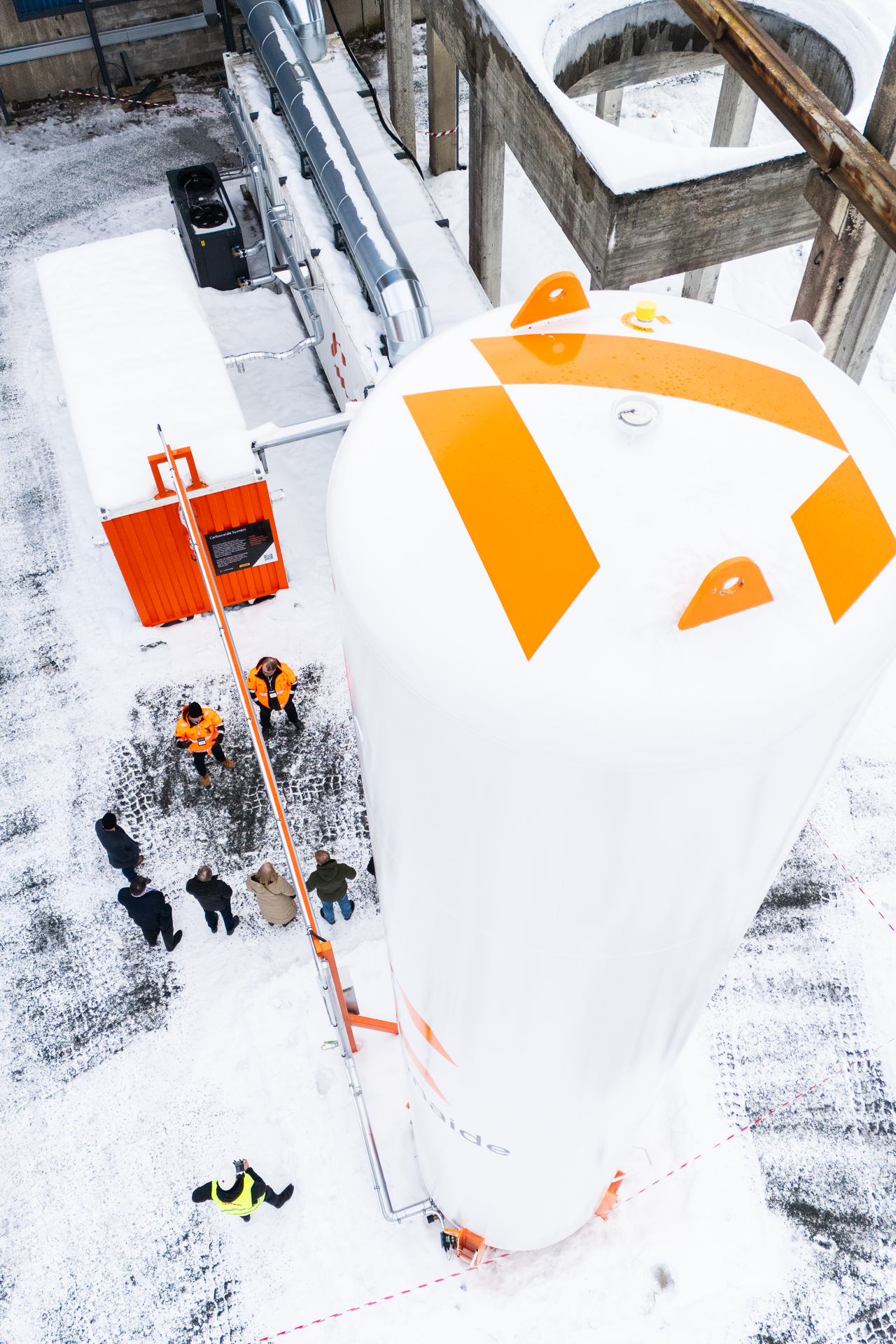
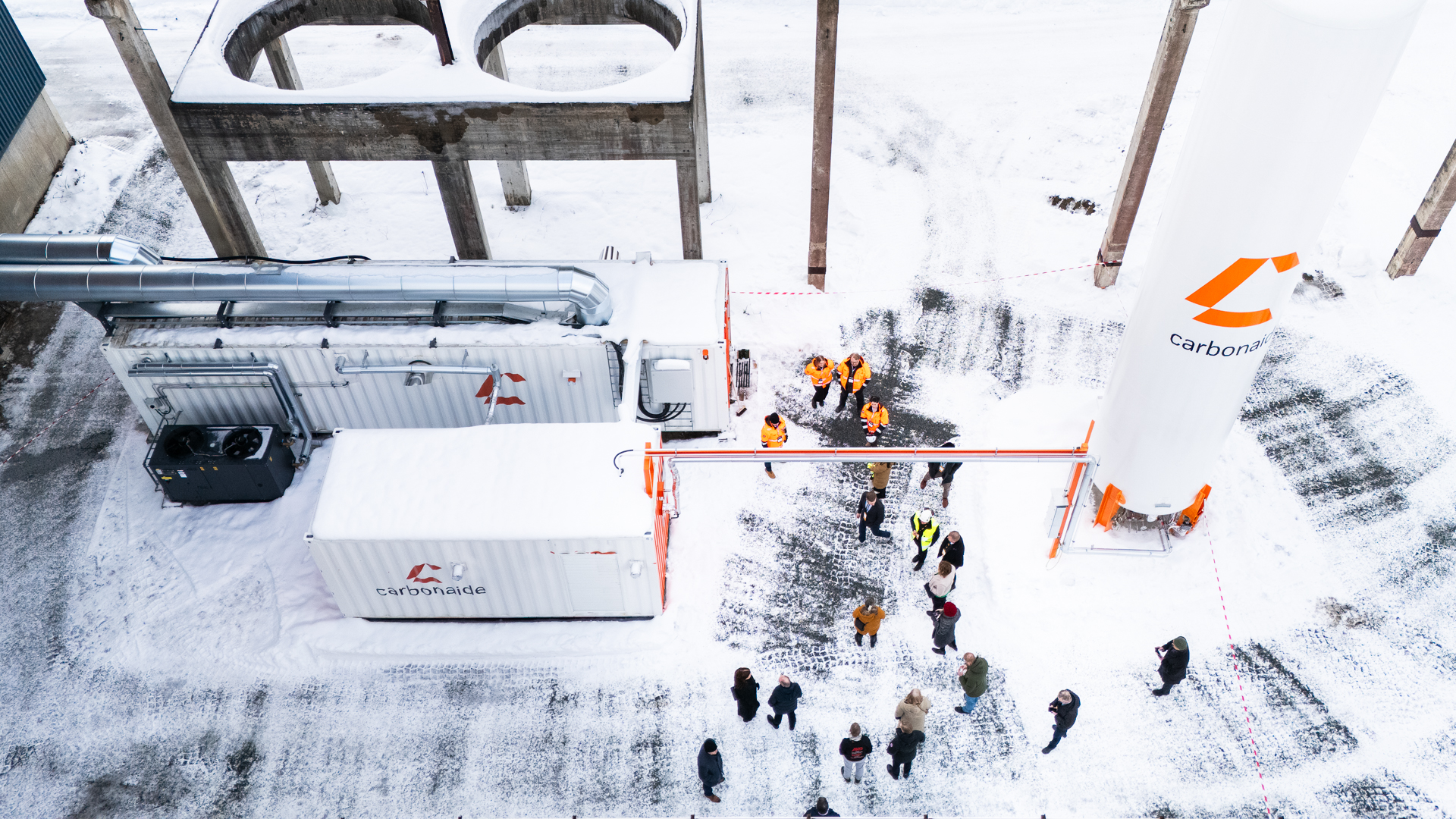
Understanding these curing factors helps precast manufacturers optimise their production processes for both efficiency and quality. By controlling environmental conditions, designing appropriate mixes, and implementing modern curing technologies, facilities can significantly reduce production time while maintaining concrete performance standards. At Carbonaide, we have developed solutions that address these challenges through our carbon dioxide curing technology, which not only accelerates curing but also enables cement reduction and improved production efficiency in precast manufacturing.