
Carbon capture and carbon utilisation represent two distinct approaches to managing CO₂ in concrete production. Carbon capture focuses on collecting and storing carbon dioxide, while carbon utilisation actively incorporates CO₂ into concrete manufacturing to improve material properties and permanently store carbon within the finished products.
What exactly is carbon capture in the concrete industry?
Carbon capture in concrete production involves collecting CO₂ emissions from industrial sources and preparing them for storage or use in construction materials. This comprehensive process encompasses several critical components:
- Source collection systems – Specialised equipment captures CO₂ from cement plants, power stations, or other industrial facilities before emissions reach the atmosphere
- Chemical separation processes – Advanced absorption systems separate carbon dioxide from complex flue gas mixtures using chemical solvents
- Compression and transport infrastructure – Captured CO₂ requires compression to liquid form and specialised transportation networks to move it to storage or utilisation sites
- Quality control measures – The captured carbon dioxide must meet specific purity standards for concrete applications, requiring additional processing and testing
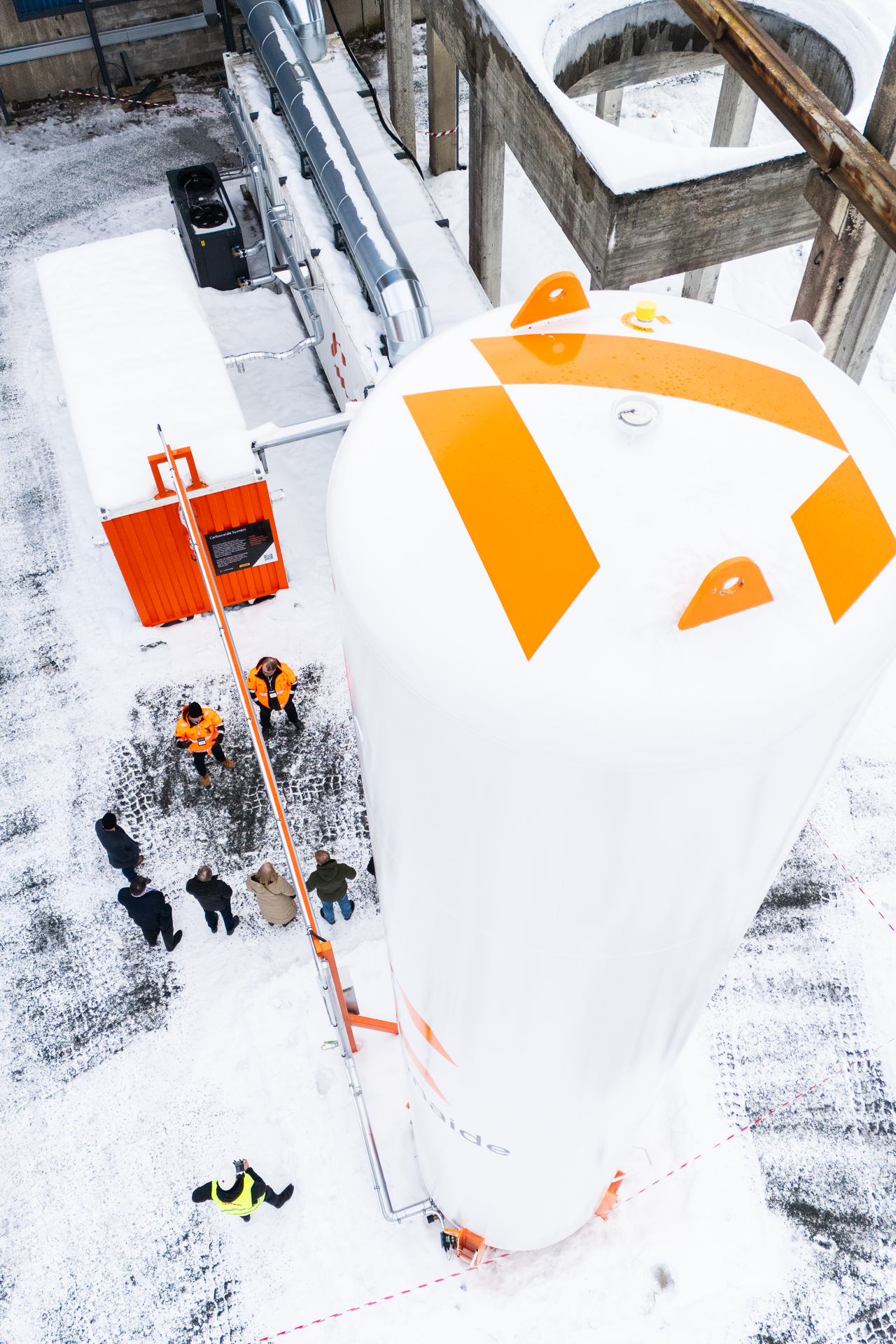
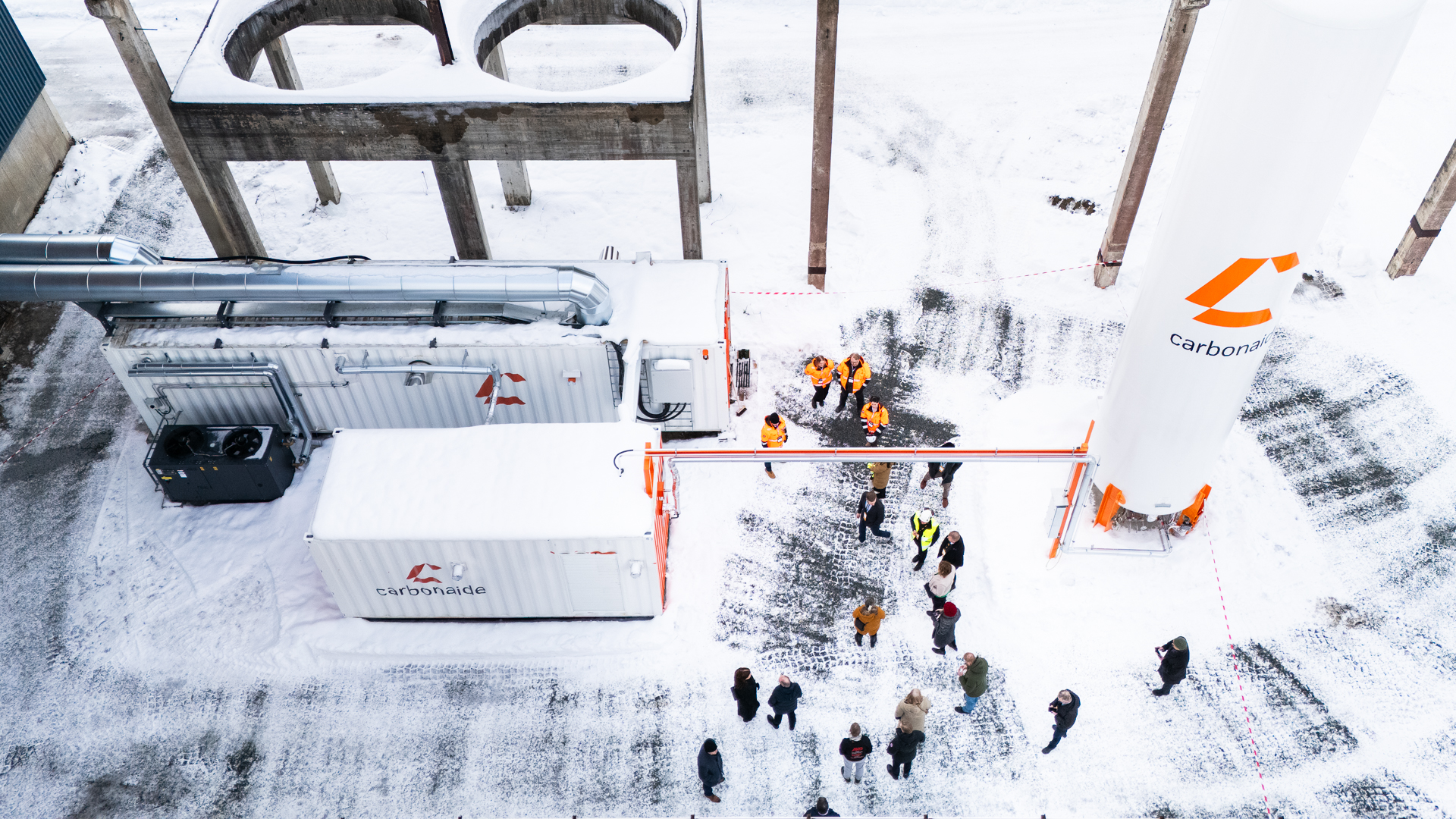
- Storage facility management – Purpose-built storage systems at concrete plants maintain captured CO₂ until needed for production
These interconnected systems create a comprehensive carbon management infrastructure that transforms industrial waste emissions into a controlled resource. The success of carbon capture depends on seamless coordination between collection, processing, transport, and storage operations, requiring significant investment in specialised equipment and ongoing operational management.
How does carbon utilisation work in concrete manufacturing?
Carbon utilisation in concrete manufacturing actively uses captured CO₂ to enhance concrete properties through carbonation processes during curing. The carbon dioxide becomes chemically bound within the concrete matrix through mineralisation reactions that permanently store the CO₂ while improving material performance.
The utilisation process involves precise control of CO₂ flow during curing operations. Smart flow management systems regulate carbon dioxide distribution based on production demands and curing requirements. The carbonation reactions occur at atmospheric pressure, making the process more practical for industrial implementation than high-pressure alternatives.
During the utilisation process, CO₂ is introduced into concrete during the curing phase, where it reacts with calcium-rich materials to form stable carbonates. This chemical reaction, known as CO₂ mineralisation, transforms the carbon dioxide into solid mineral compounds that become part of the concrete structure.
This utilisation approach enables concrete producers to reduce cement content while maintaining or improving concrete strength. The CO₂ becomes permanently mineralised into the concrete structure, creating a carbon sink that stores carbon for the lifetime of the building.
What’s the main difference between capturing and utilising carbon in concrete?
The fundamental difference lies in how CO₂ is handled after collection, with each approach offering distinct operational and environmental characteristics:
- Purpose and function – Carbon capture treats CO₂ as waste requiring containment, while utilisation transforms it into a valuable production input that enhances concrete properties
- Storage requirements – Capture systems need extensive infrastructure for long-term CO₂ storage and monitoring, whereas utilisation permanently locks carbon into concrete products through chemical reactions
- Operational integration – Capture requires separate storage management systems, while utilisation integrates directly into existing concrete production workflows
- Risk management – Captured CO₂ requires ongoing monitoring to prevent atmospheric leakage, while utilised CO₂ becomes permanently mineralised with minimal leakage risk
- Value creation – Capture focuses solely on emission prevention, while utilisation creates measurable improvements in concrete performance and production efficiency
These fundamental differences shape how concrete producers approach carbon management strategies. While capture systems require significant ongoing operational overhead for storage and monitoring, utilisation systems transform CO₂ from a liability into an asset that actively improves manufacturing processes and product quality.
Why does carbon utilisation create stronger concrete than traditional methods?
Carbon utilisation strengthens concrete through carbonation reactions that form additional binding compounds within the concrete matrix. The CO₂ reacts with calcium-rich materials to create stable carbonates that contribute to overall concrete strength and durability.
The carbonation process activates supplementary cementitious materials that remain passive in traditional concrete production. Materials like steel and iron slags contain gamma dicalcium silicate, which transforms into excellent binding agents when exposed to CO₂ during curing. This activation allows industrial waste materials to contribute actively to concrete strength development.
CO₂ curing also accelerates the hydration process, reducing curing times while achieving superior strength characteristics. The carbon dioxide creates optimal curing conditions that promote more complete cement hydration and better particle bonding throughout the concrete structure.
Additionally, the carbonation process enables reduced cement content without compromising performance. By activating alternative binders and forming additional binding compounds, carbon dioxide utilisation maintains or improves concrete strength while using less traditional cement. This dual benefit of stronger concrete with lower cement requirements represents a significant advancement over conventional production methods.
Which approach delivers better environmental benefits for concrete producers?
Carbon utilisation provides superior environmental benefits compared to capture alone because it combines permanent carbon storage with concrete production improvements. The environmental advantages of utilisation include:
- Net-negative carbon potential – Utilisation can create concrete that stores more CO₂ than the production process emits, achieving net-negative carbon footprints
- Permanent sequestration – Mineralised CO₂ remains locked in concrete structures for decades with minimal leakage risk, providing reliable long-term carbon storage
- Cement reduction benefits – Lower cement requirements directly reduce industry emissions since cement production accounts for significant CO₂ output
- Waste material activation – The process enables greater use of industrial byproducts, reducing overall material waste and associated environmental impacts
- Carbon credit generation – Measurable carbon storage supports verified carbon offset programs and sustainability reporting requirements
These combined environmental benefits position carbon utilisation as a comprehensive climate solution that addresses both emission reduction and carbon sequestration simultaneously. Unlike capture systems that simply prevent emissions, utilisation transforms concrete production from a carbon source into a carbon sink while improving operational efficiency and product performance.