
Concrete manufacturers face mounting pressure to reduce emissions while maintaining production quality and cost-effectiveness. Several decarbonisation technologies are available, each offering different benefits and implementation challenges. The most effective approach depends on the facility’s specific needs, existing infrastructure, and production goals. Understanding these options helps businesses make informed decisions about sustainable concrete manufacturing.
What decarbonisation options do concrete manufacturers actually have?
Concrete manufacturers can choose from four main decarbonisation pathways, each addressing emissions differently and offering varying levels of implementation complexity:
- Alternative cement formulations – Replace traditional Portland cement with supplementary cementitious materials (SCMs) like slag, ash, or alternative binders such as alkali-activated materials and geopolymers, directly lowering carbon footprint since cement production accounts for the majority of concrete’s emissions
- Carbon capture technologies – Capture CO₂ emissions at the point of production or from industrial sources, preventing them from entering the atmosphere while requiring additional energy and infrastructure investment
- CO₂ utilisation methods – Actively use captured CO₂ in the concrete production process, including carbon dioxide curing technology that transforms CO₂ from a waste product into a useful input, permanently mineralising it within the concrete structure
- Process optimisation approaches – Implement admixtures like plasticizers to reduce water and cement content, improve energy efficiency in production, and optimise curing processes to reduce time and energy consumption
These pathways can be implemented individually or in combination, with each offering distinct advantages depending on the facility’s constraints and objectives. The choice between approaches often depends on factors like available capital, existing infrastructure, local material supply chains, and desired emission reduction targets. Understanding how these technologies work together or independently is crucial for developing an effective decarbonisation strategy.
How does CO₂ curing technology compare to traditional cement alternatives?
CO₂ curing technology offers distinct advantages over traditional cement alternatives by providing both emission reductions and production benefits simultaneously. Unlike SCMs that simply replace cement, CO₂ curing actively improves the concrete while storing carbon permanently.
Traditional SCMs work alongside cement but still require cement for activation. They can reduce cement content but often come with supply chain limitations—slag availability varies by region, and ash quality can be inconsistent. Alternative binders like alkali-activated materials can completely replace cement but require specific activation chemicals and careful mix design.
CO₂ curing technology works differently by infusing carbon dioxide into concrete during the curing process. This creates carbonation reactions that strengthen the concrete while permanently storing the CO₂ as carbonates. The process can activate previously passive materials, expanding the options for supplementary cementitious materials beyond traditional choices.
Implementation complexity varies significantly between approaches. SCMs typically require adjusting the existing mix designs and potentially sourcing new materials. CO₂ curing requires infrastructure modifications to the curing chambers and specialised hardware, but it integrates with both new and existing facilities.
Performance outcomes differ as well. Traditional cement alternatives may compromise strength if not properly formulated, whereas CO₂ curing can actually enhance concrete properties through the carbonation process. The technology delivers what we call “cheaper, faster, stronger, and greener” concrete production.
Which decarbonisation approach offers the fastest return on investment?
CO₂ curing technology typically offers the fastest return on investment because it delivers multiple economic benefits simultaneously:
- Reduced cement costs – Cement costs have doubled over recent years and represent approximately half of concrete production costs, making any reduction in cement content an immediate material cost saving
- Faster production cycles – Accelerated curing times increase production capacity without requiring additional capital equipment, maximising facility throughput
- Enhanced concrete properties – The carbonation process strengthens concrete while reducing material requirements, improving product quality and reducing waste
- Carbon credit revenue – Permanent carbon storage enables carbon credit generation, providing an additional income stream beyond traditional concrete sales
- Premium pricing opportunities – Sustainable concrete products increasingly command higher market prices as regulatory requirements strengthen
While traditional approaches like SCMs offer cement cost savings, they may require longer curing times or compromise strength, potentially offsetting economic benefits. Process optimisation through admixtures provides quick returns with minimal investment but typically delivers only incremental improvements. CO₂ curing technology requires upfront infrastructure investment, but the combination of multiple revenue streams and operational improvements creates a compelling financial case that often outperforms other decarbonisation approaches in speed of payback.
What are the biggest implementation challenges for each technology?
Each decarbonisation technology faces distinct implementation challenges that manufacturers must carefully consider:
- SCM implementation challenges – Material availability and quality consistency issues, with slag supply depending on regional steel production and ash quality varying between sources, requiring extensive testing and mix design adjustments
- Alternative binder challenges – Significant technical expertise requirements for alkali-activated materials, needing precise chemical ratios, specialised handling procedures, comprehensive staff training, and completely redesigned quality control protocols
- Process optimisation challenges – Limited impact potential despite low implementation barriers, as adding plasticizers or improving energy efficiency requires minimal infrastructure changes but won’t achieve ambitious decarbonisation targets
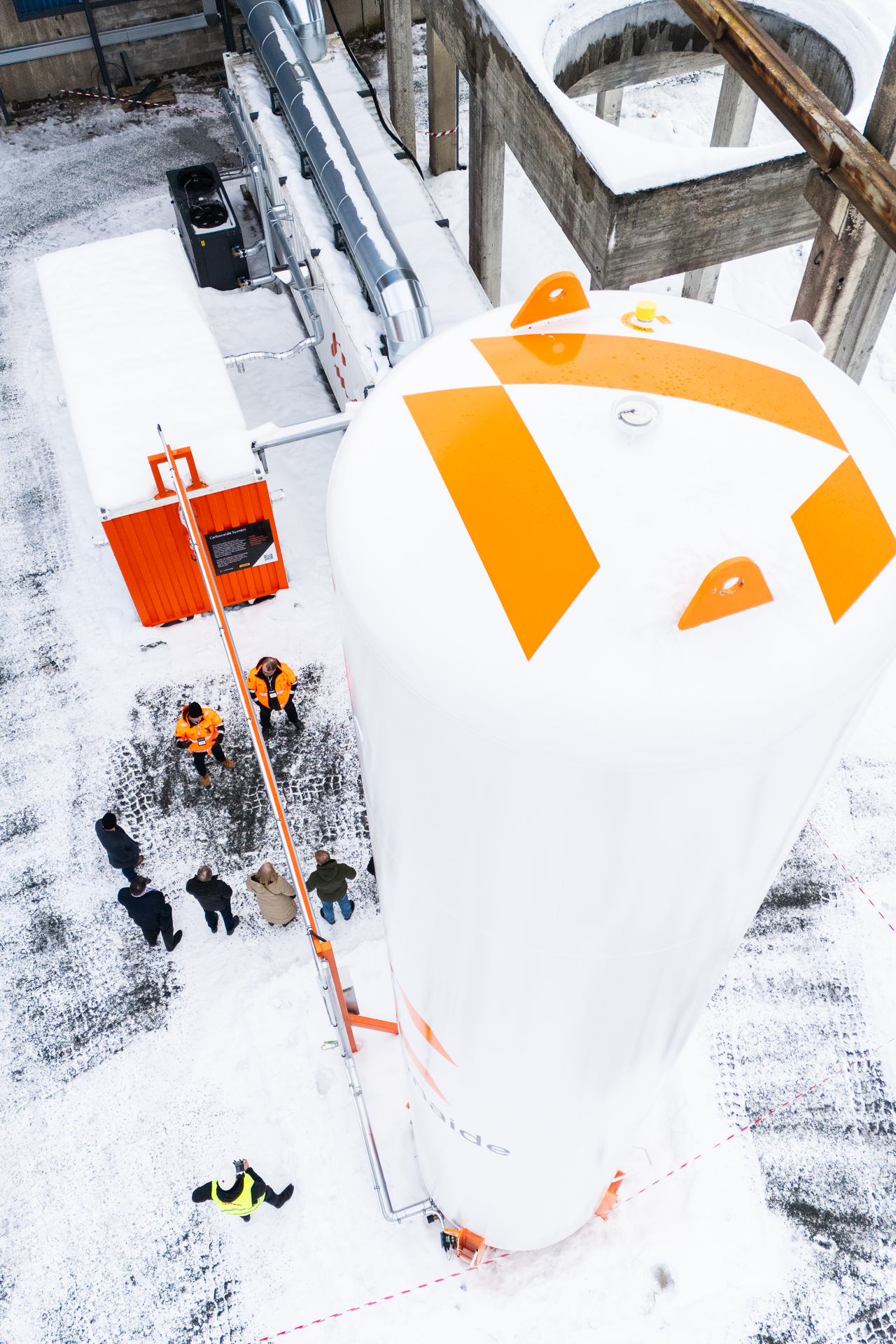
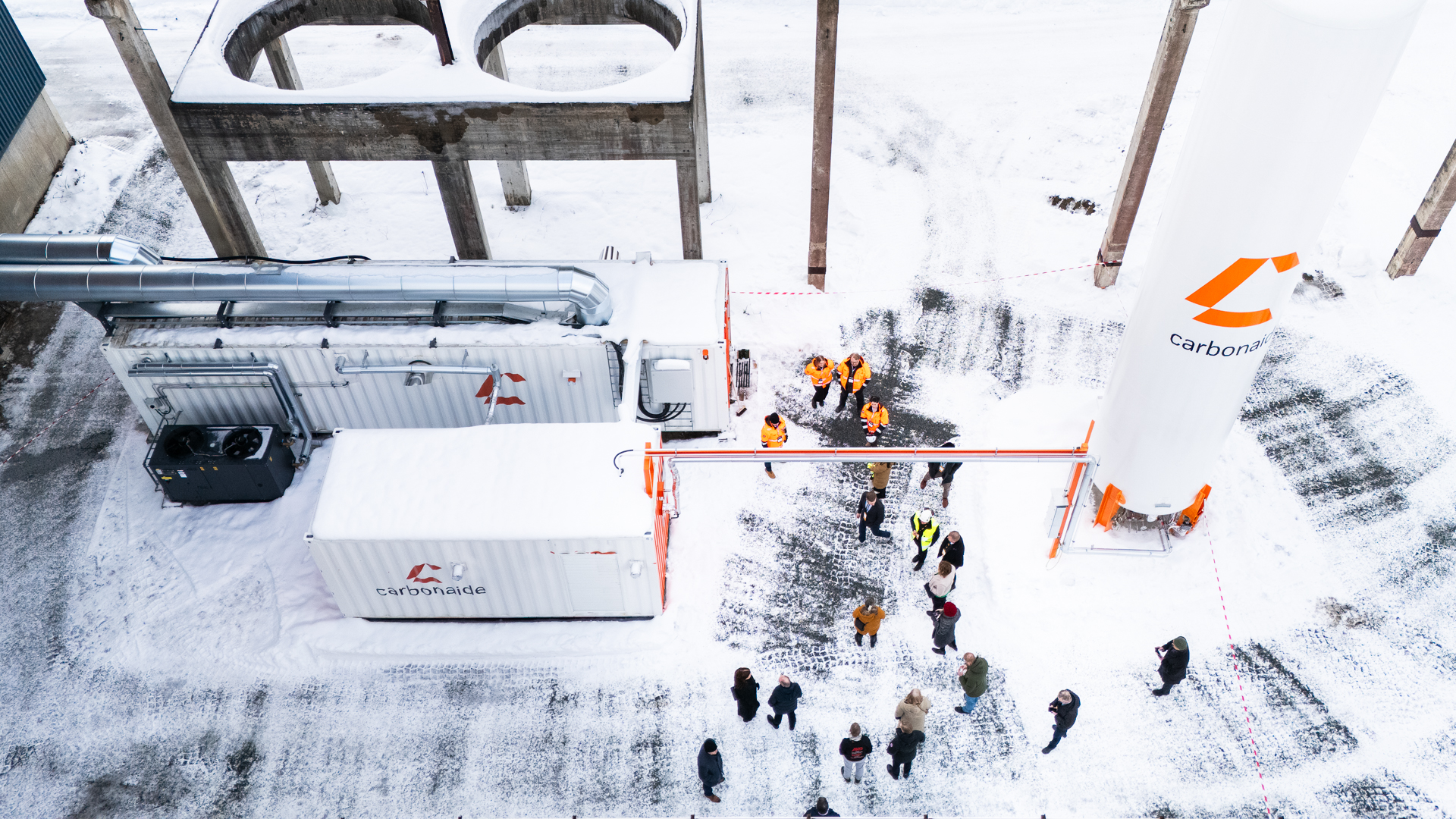
- CO₂ curing technology challenges – Infrastructure modifications for carbon dioxide injection systems, curing chamber adaptations, specialised hardware integration, and understanding how CO₂ infusion affects concrete characteristics and manufacturing processes
- Supply chain considerations – Establishing reliable material sourcing, whether for SCMs, activation chemicals, or CO₂ supply, along with potential new supplier relationships and logistics coordination
Despite these challenges, successful implementation is achievable with proper planning and support. CO₂ curing technology addresses many supply chain concerns through partner networks and sourcing services, while platforms like Carbonaide provide real-time monitoring and automated adjustments to maintain quality. The key to overcoming implementation challenges lies in choosing an approach that aligns with the facility’s capabilities, committing to comprehensive change management and staff training, and working with experienced technology partners who can guide the transition process effectively.