
Concrete curing is a chemical reaction called cement hydration, in which cement particles react with water to form binding compounds that transform liquid concrete into a solid, durable material. This process determines the final strength and longevity of concrete structures. The curing process involves multiple stages and methods, each affecting how quickly and effectively concrete develops its structural properties.
What exactly is concrete curing and why does it happen?
Concrete curing is the chemical process in which cement and water react to form calcium silicate hydrate gel, which binds the concrete mixture together. This reaction, known as cement hydration, transforms concrete from a workable liquid state into a hard, durable solid material that can support structural loads.
The curing process follows several key stages that determine the final concrete quality:
- Initial contact phase: The process begins immediately when water contacts cement particles, triggering the dissolution of cement compounds
- Nucleation stage: Carbon dioxide naturally present in the air reacts with calcium to form ultrafine calcium carbonate particles that serve as nucleation sites for crystal formation
- Hydration reaction: The reaction produces heat and consumes water as cement compounds dissolve and reform into new crystalline structures
- Matrix formation: New compounds, primarily calcium silicate hydrate, create the binding matrix that holds aggregates together and gives concrete its characteristic strength
These interconnected stages work together to transform the concrete mixture into a durable structural material. Understanding this chemical foundation helps concrete producers optimise their curing methods, with modern approaches such as carbon dioxide curing enhancing the natural process by providing additional nucleation sites and accelerating the formation of binding compounds.
How long does concrete actually take to cure completely?
Concrete reaches initial setting within 24–48 hours, develops practical strength over 7–28 days, and continues curing for months or even years. The timeline varies significantly based on temperature, humidity, concrete composition, and the specific curing method used during production.
The concrete curing timeline progresses through distinct phases, each with specific characteristics:
- Initial setting (0-48 hours): Concrete undergoes initial setting as hydration reactions establish the basic structure, becoming firm enough to support light loads while still developing its binding matrix
- Primary strength development (7-28 days): Most concrete reaches approximately 70% of its ultimate strength within the first week, with continued strength gains over the following three weeks
- Extended curing (months to years): Complete curing extends far beyond the initial month, with concrete continuing to gain strength slowly as residual cement particles continue hydrating with available moisture
- Accelerated timelines: Advanced curing technologies can significantly reduce these timelines by introducing additional nucleation sites that eliminate bottlenecks in early hydration
While complete curing continues for years, practical strength requirements are typically met within the first 28 days, allowing construction to proceed safely. This timeframe forms the basis for most construction scheduling and quality testing protocols, though modern carbon dioxide curing processes can accelerate strength development during the critical initial period.
What is the difference between concrete curing methods?
Traditional curing methods include water curing, steam curing, and membrane curing, each designed to maintain optimal moisture and temperature conditions during the hydration process. Water curing involves keeping concrete surfaces moist, steam curing uses heated water vapour, and membrane curing applies protective coatings to retain moisture.
Each curing method offers distinct advantages and considerations for different applications:
- Water curing: The most common approach for cast-in-place concrete, involving continuously wetting surfaces or covering with water-soaked materials, providing excellent strength development but requiring constant attention and significant water resources
- Steam curing: Accelerates hydration by applying heat and moisture simultaneously, working particularly well in precast facilities with controlled environments, though requiring specialised equipment and careful temperature control
- Membrane curing: Uses liquid compounds or plastic sheets to prevent moisture loss, reducing labour requirements and working well where water access is limited, though potentially not achieving the same strength development as water curing
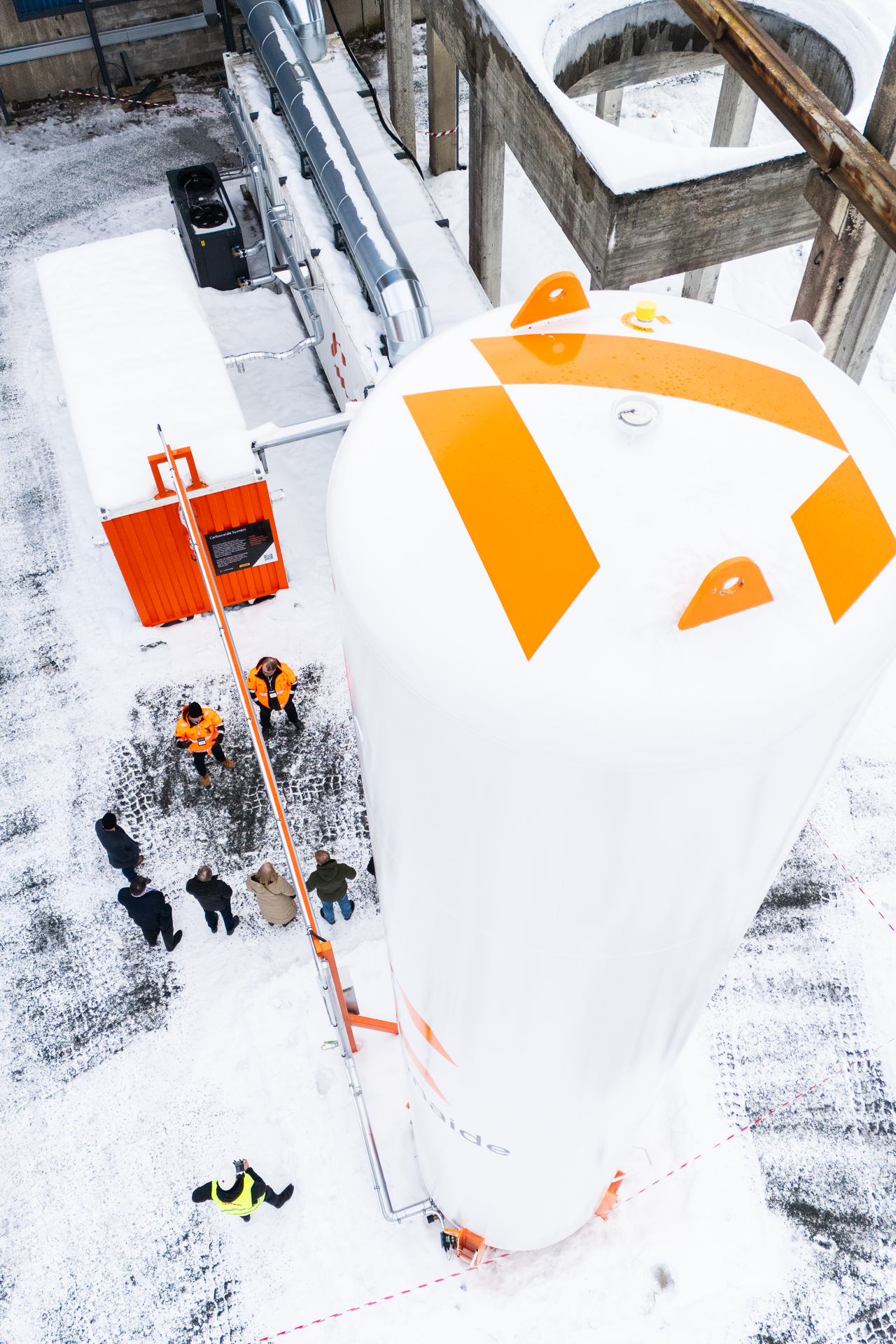
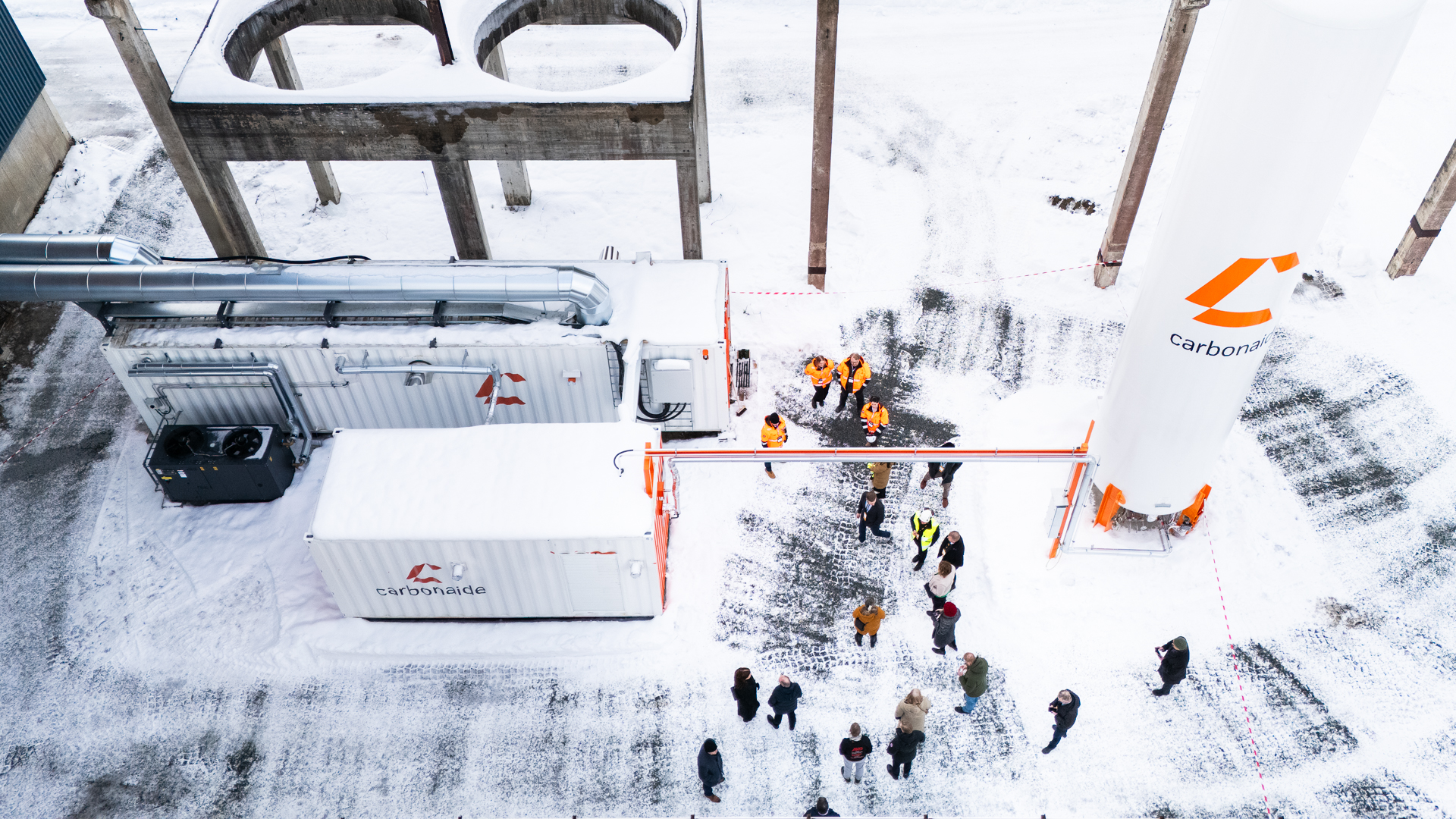
- Carbon dioxide curing: A newer approach that infuses CO₂ during curing, enhancing natural carbonation by providing abundant nucleation sites and accelerating strength development while permanently storing carbon dioxide
The choice of curing method depends on project requirements, environmental conditions, and available resources. While traditional methods remain effective, advanced approaches like carbon dioxide curing offer enhanced performance by optimising the chemical reactions that drive concrete strength development, often allowing reduced cement content while maintaining or improving overall concrete performance.
Why does proper curing matter so much for concrete strength?
Inadequate curing reduces concrete strength, increases permeability, causes cracking problems, and compromises long-term durability. Proper curing ensures that complete hydration reactions occur, creating the dense, strong matrix needed for optimal concrete performance throughout its service life.
The consequences of inadequate curing create multiple structural and durability problems:
- Incomplete hydration: Insufficient curing leaves unreacted cement particles within the concrete matrix, creating a weaker, more porous structure that may achieve only a fraction of its potential strength
- Increased permeability: Poor curing creates larger pore structures that allow water, chemicals, and harmful substances to penetrate the concrete, accelerating deterioration processes
- Cracking development: Temperature and moisture fluctuations during inadequate curing cause shrinkage stresses that exceed early tensile strength, resulting in surface cracks that can propagate deeper over time
- Long-term deterioration: These combined effects create pathways for freeze-thaw damage, chemical attack, and reinforcement corrosion, significantly reducing structural lifespan
Proper curing addresses these critical issues by maintaining optimal conditions for complete hydration throughout the concrete matrix. When nucleation and growth sites are abundant, as occurs with enhanced curing methods, the dissolution of cement binders becomes the primary factor controlling hydration speed rather than nucleation site availability, ensuring the thorough chemical reactions necessary for long-term structural performance.
Understanding concrete curing is important for making informed decisions about production methods and timing. Whether traditional curing approaches or advanced technologies such as carbon dioxide curing, the fundamental principles remain the same: maintaining proper conditions for complete cement hydration creates stronger, more durable concrete.