
How is trust built?
1. Do Your Homework
CDR suppliers should engage early, already during the planning phase, with carbon certification standards to determine whether the protocol requirements are suitable for their method. If parts of a methodology are incompatible with your project, early dialogue with technical teams can streamline necessary adjustments.
The CDR market is still nascent, and suitable methodologies may not always be available. Protocols are frequently revised to incorporate new scientific data or to expand their scope.
Suppliers who understand and prepare for these certification requirements signal credibility, particularly in projects involving complex supply chains. Conversely, underestimating the importance of clear certification and credit delivery timelines can cause projects to lose momentum and create business risks.
2. Certified Credits Are Not Enough
While securing offtake agreements is crucial for capital, only a few buyers commit to long-term offtakes at early project stages, typically for large-scale DACS and BECCS, given their significant capital, permitting, and operational risks. For most other CDR methods, including mineralization, buyers demand deeper scrutiny.
Independent CDR marketplaces now conduct thorough due diligence on behalf of buyers, layering additional evaluation on top of standard certification. This process scrutinizes assumptions, CDR calculations, LCAs, and project documentation and also extends to assessments of company credibility, operational capabilities, financial stability, ROI, and business model. Confidential information is often shared before projects are even presented to buyers.
In practice, commercial engagement with buyers typically only occurs after due diligence is complete and a project is near credit issuance. This can bottleneck companies whose scaling plans depend on early CDR sales milestones.

3. Set Realistic Expectations
Buyers’ confidence is also influenced by price sensitivity and the lack of procurement targets. The market relies on voluntary commitments, where demand is typically driven by catalytic purchases, near-term operational targets, or preparations for long-term net-zero goals.
There is a lack of frameworks defining what credible claims companies can make based on CDR purchases, which slows decision-making. Price can also deter buyers, especially when CDR costs exceed expectations. Unrealistic hopes of $100 per CDR credit by 2030 can further postpone purchases.
Competitive requests for proposals (RFPs) compare projects on credibility, volume, and price. More mature projects or those with multiple offtakes are considered lower risk. Still, operational and delivery risks are inherent in CDR.
The best way to de-risk purchases is to maintain a balanced portfolio of projects that meet strict certification criteria, support multiple CDR methods, and protect buyers against underdelivery. Most CDR marketplaces now recommend a portfolio approach, including at least three distinct CDR pathways.
Building trust while scaling the market
The CDR market has overcome the climate integrity challenges of the legacy voluntary carbon markets through rigorous certification and extensive due diligence. However, this trust comes at a high cost for suppliers, limiting scaling opportunities as early offtakes are often key to securing further investment. Applying full due diligence to every new location can limit growth, since new sites often need a committed buyer to get started – a classic “chicken and egg” situation.
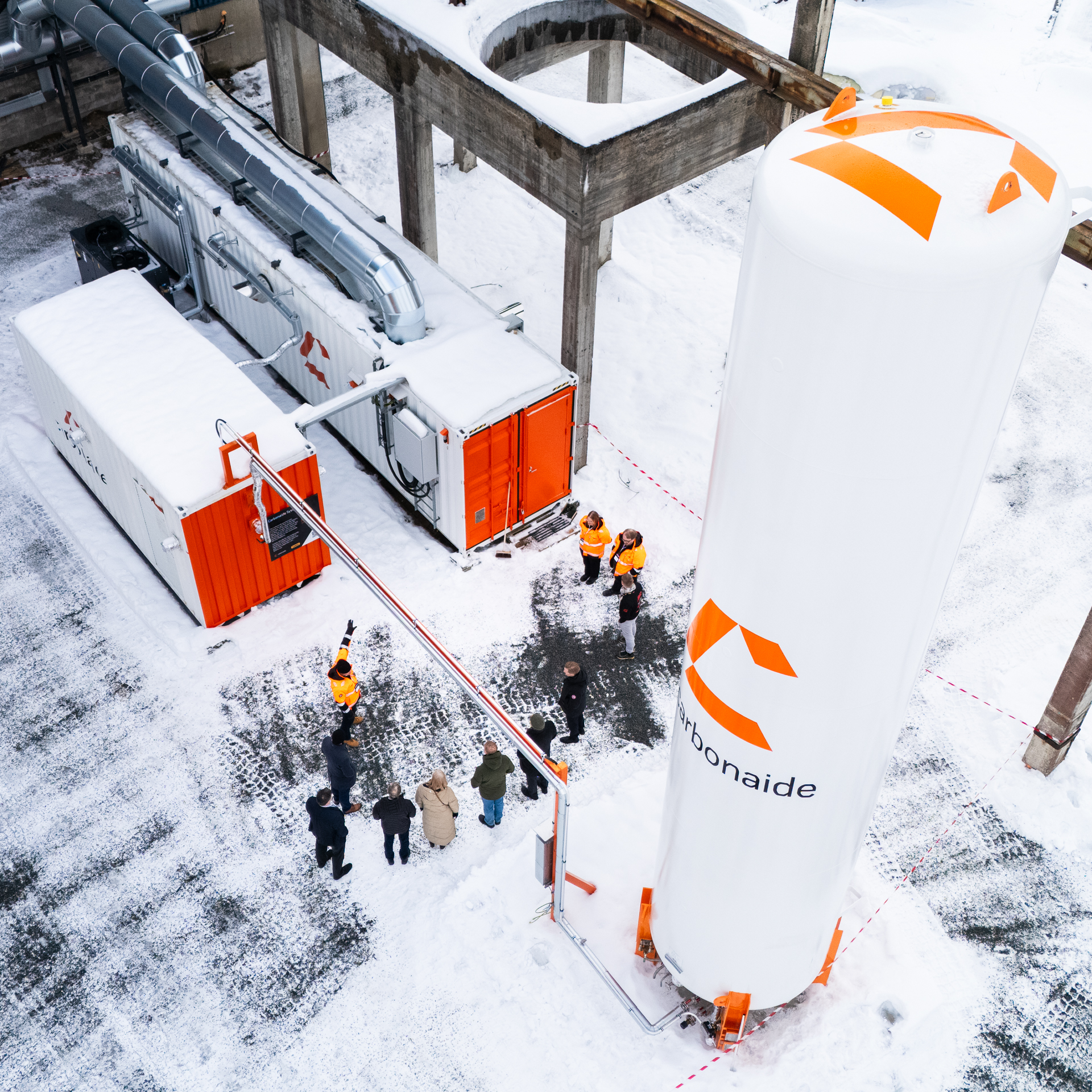
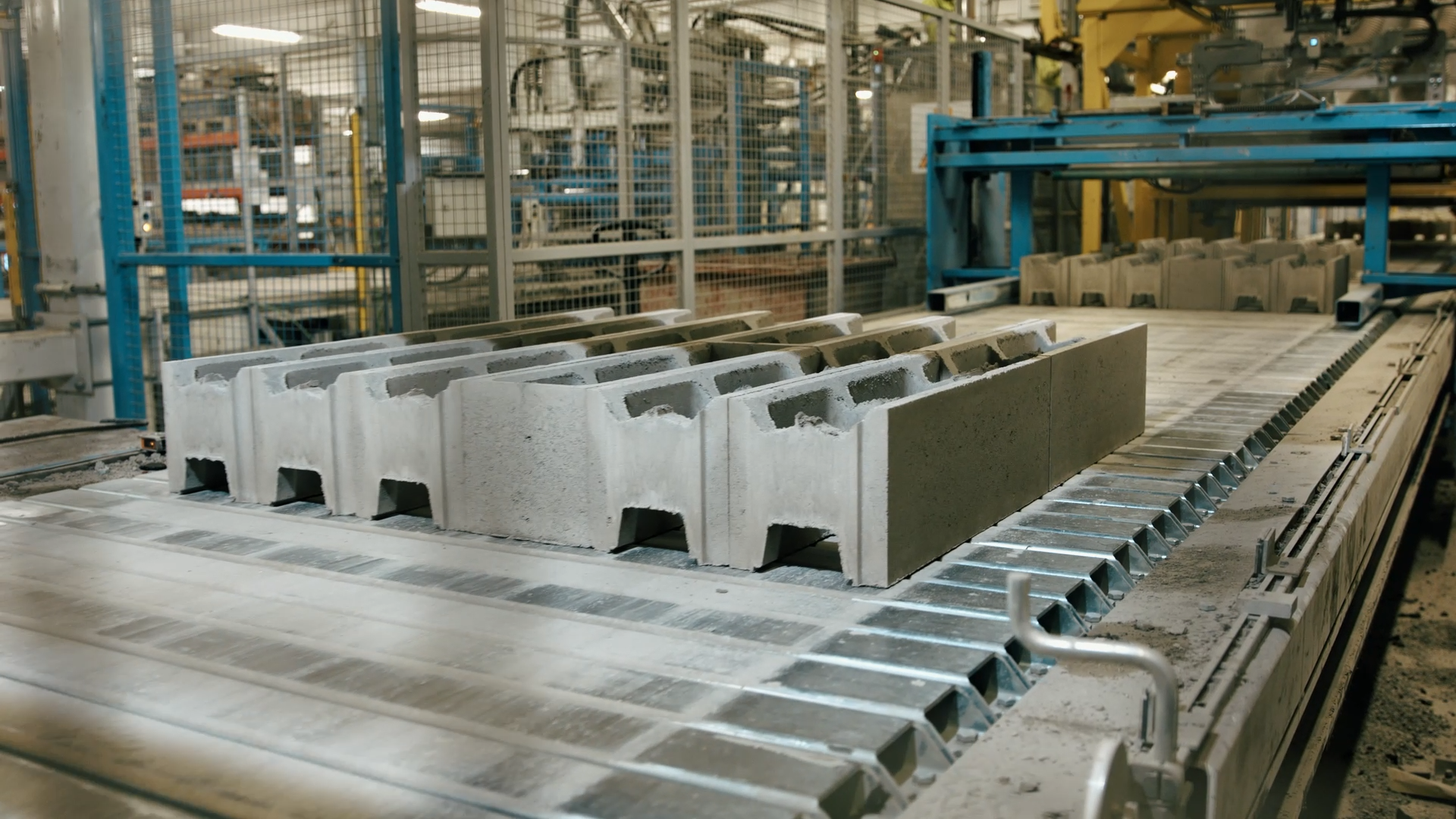
At Carbonaide, for instance, we work with multiple concrete factories that require upfront investment in curing technology and CO₂ flow management. A guarantee that CDR revenues will materialize is often needed before projects can be initiated. Buyers of CDR credits, on the other hand, are understandably risk-averse, hesitating to commit to purchases from early-stage or future locations—one of the biggest obstacles to scaling the CDR market today.
We recognize the necessity of current processes to ensure credit delivery, but believe there should be a clearer distinction between buyers seeking spot/near-term credits versus those making catalytic purchases to scale CDR. Today’s system is better suited to spot credits; greater market growth will require a more tailored due diligence approach.
At Carbonaide, we know trust is not built overnight. We believe the recipe for building buyer confidence lies in balancing strict standards and transparency with realistic expectations and pathway-specific evaluation. This will enable high-quality CDR at a meaningful scale for climate mitigation and help decarbonize the built environment.
About Carbonaide
Carbonaide makes carbon-negative concrete economically viable. With the Carbonaide CO₂ solution, concrete manufacturers can utilise carbon dioxide to improve their products and store carbon permanently.