


The durable CDR market began in the early 2020s and gradually transformed from a nascent field into an established market with clear rules, strict certification methodologies, and demand and supply dynamics. As durable CDR is essential for achieving net-zero by removing residual emissions, it is a key part of future climate policy and compliance markets.
The political climate on scaling durable CDR in Europe is gaining much-needed clarity. The EU Carbon Removal and Carbon Farming (CRCF) regulation entered into force with the first approved methodologies. This has laid the foundation for a functioning carbon removal market that could also serve as a building block for clean industrial growth in the EU. Efforts to scale the market are also focused on setting near-term targets for corporate procurement of CDR and establishing a framework for making credible claims.
Scaling Durable CDR Through Industrial Value Chains
Financing, development, and operational risks are evident across all CDR pathways, and how effectively suppliers mitigate them will determine whether they can deliver the credits they sell.
As large-scale demand remains uncertain, storage alone is a difficult business driver, and factors such as a strong business case become increasingly important. Approaches that demonstrate a strong business case through cost and emission reductions of real industrial value chains are more likely to succeed and have lower delivery risks.
Examples from the building materials and construction industry include carbon curing of concrete, carbon mineralised aggregates, mine tailings mineralisation, and steel slag carbonation. As many of these innovations are still at pilot scale, industry adoption depends on how they are benchmarked to measure their cost-efficiency and decarbonization potential.
Compatibility with industry infrastructure and standards is also critical for industry-wide adoption and scale-up. For instance, concrete is a standardised product; low-carbon products that do not meet the industry standards are not market-ready or industry-approved and will struggle to scale.
Making Durable CDR Economically Viable: The Carbonaide Approach
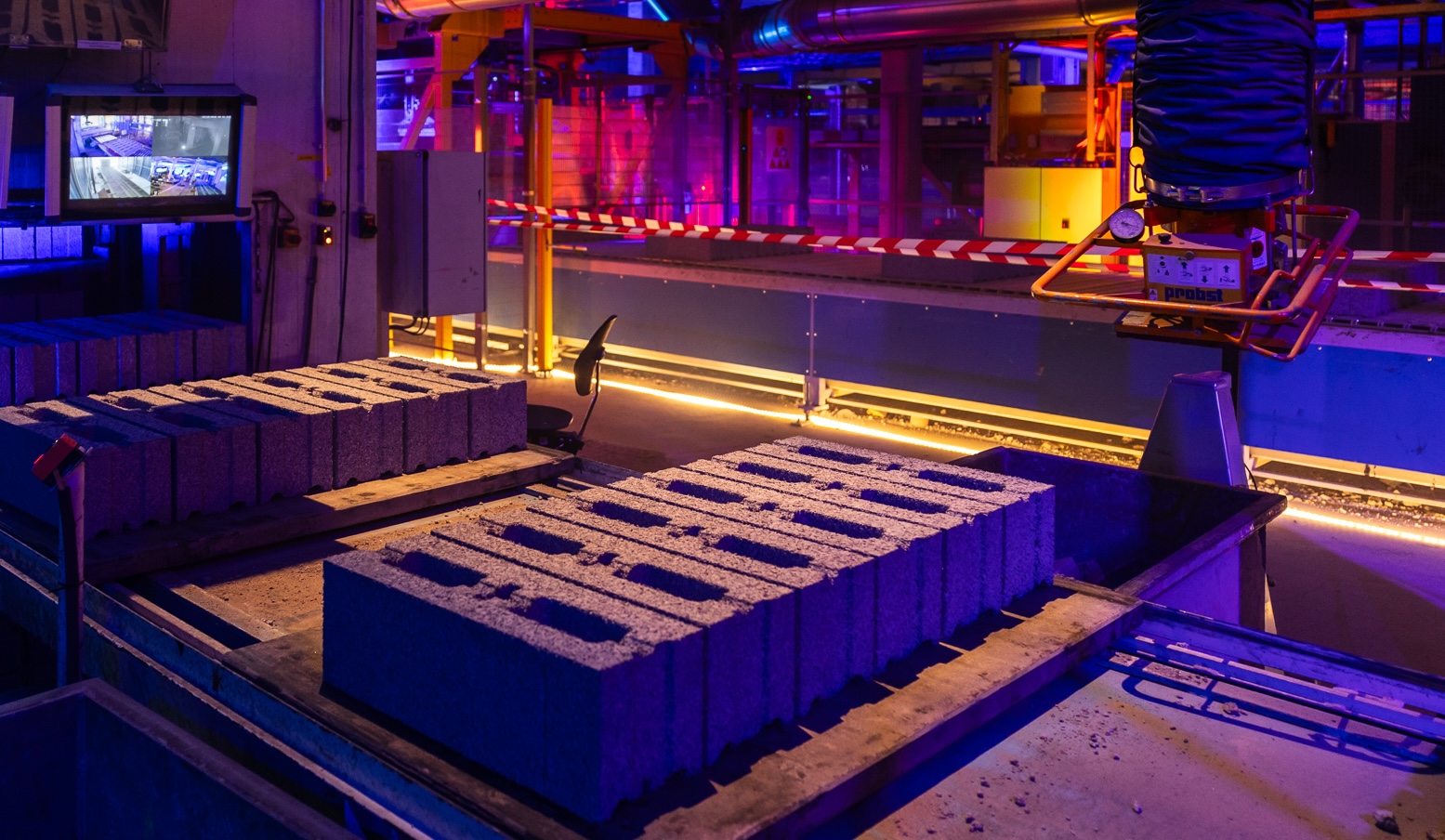
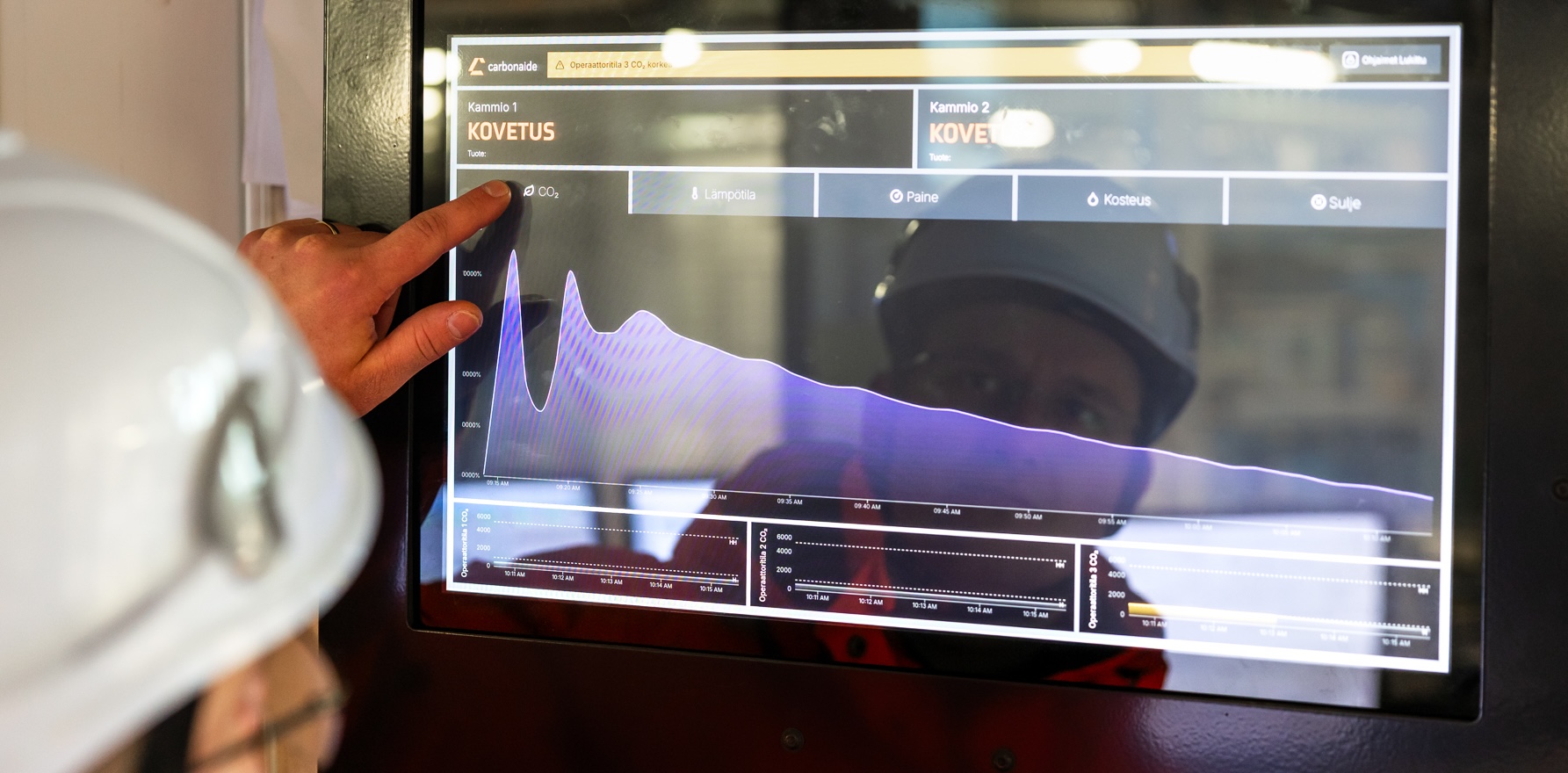
Carbonaide integrates carbon removal into real industrial value chains, achieving cement savings, increased production capacity, and new material possibilities, while permanently storing carbon in the built environment. Carbon storage alone does not deliver a viable business case for concrete manufacturers, but, together with utilisation benefits, it makes low-carbon concrete economically viable.
In the longer term, low-carbon concrete will also make even more business sense due to the phase-out of free emission allocations for cement producers, which, together with the Carbon Border Adjustment Mechanism (CBAM), will increase production costs.
Carbonaide has three different pathways for monetizing the carbon removal, depending on the business case selected for a specific factory:
- CDR credits issuance for use on the voluntary markets. In most cases, carbon removals will be certified and sold on carbon markets, which directly support the business model and make adoption of Carbonaide’s curing technology economically viable.
- Eligible storage provider for installations covered under the EU ETS. The EU promotes capturing cement emissions and storing them in concrete via the carbonation process. The Delegated Regulation (EU) 2024/2620 is an example of recent legislative developments, providing a legal basis for calcium- and magnesium-based carbonates as permanently chemically bound storage, equivalent to geological storage
- Concrete manufacturers can also retain and claim the CO2 stored in their products. The market for low-carbon concrete products will emerge amid future regulations and minimum procurement targets. Disclosure of emission intensity is a requirement under the Energy Performance of Buildings Directive (EPBD), covering large buildings from 2028, and all new buildings from 2030, and the EU Industrial Acceleration Act sets a minimum 5 per cent low-carbon requirement for concrete in public procurement.
CRCF, EU ETS, and the Future of Durable Carbon Removal
The EU CRCF regulation entered into force on 7 May, with the first approved methodologies for DACCS, BioCCS, and biochar, with more to come.
Last week, at the first annual EU CRCF days, the European Commission officially launched the recognition process for certification schemes under the CRCF methodologies for permanent carbon removals. This is a major milestone in beginning the practical implementation of the EU carbon removal market.
The CRCF credits will serve as the bridge between the voluntary and compliance markets. In July 2026, the European Commission is scheduled to publish a comprehensive assessment report exploring how durable CDR could be integrated into the EU ETS and how negative emissions are handled in post-2030 climate frameworks.
The EU Buyers’ Club was launched last week, with the ambitious target of creating a momentum for large-scale demand for durable CDR amid market uncertainties. The goal is to unlock innovative financing solutions, combining public funding from the EU and Member States – sharing costs and risks and pulling demand. The expectation is to close 5 large-scale offtake agreements by the end of 2026.

Corporate Targets, Claims and Support Schemes
Ongoing work to scale the market focuses on clarifying use cases and corporate targets for durable CDR procurement, as well as on a national support scheme to scale both demand and supply of CDR.
The SBTi Corporate Net Zero Standard update is set to drive near-term demand for durable CDR. The upcoming revised version will introduce an “ongoing emissions responsibility” framework. This will encourage early, voluntary scaling of CDR purchases and clarify what climate claims companies can make.
Countries are working to support national CDR activities, including introducing support schemes, allocating budgets for CDR purchases, conducting reverse auctions, and providing clarity on corporate purchase use cases for CDR.

About Carbonaide
Carbonaide makes carbon-negative concrete economically viable. With the Carbonaide CO₂ solution, concrete manufacturers can utilise carbon dioxide to improve their products and store carbon permanently.