

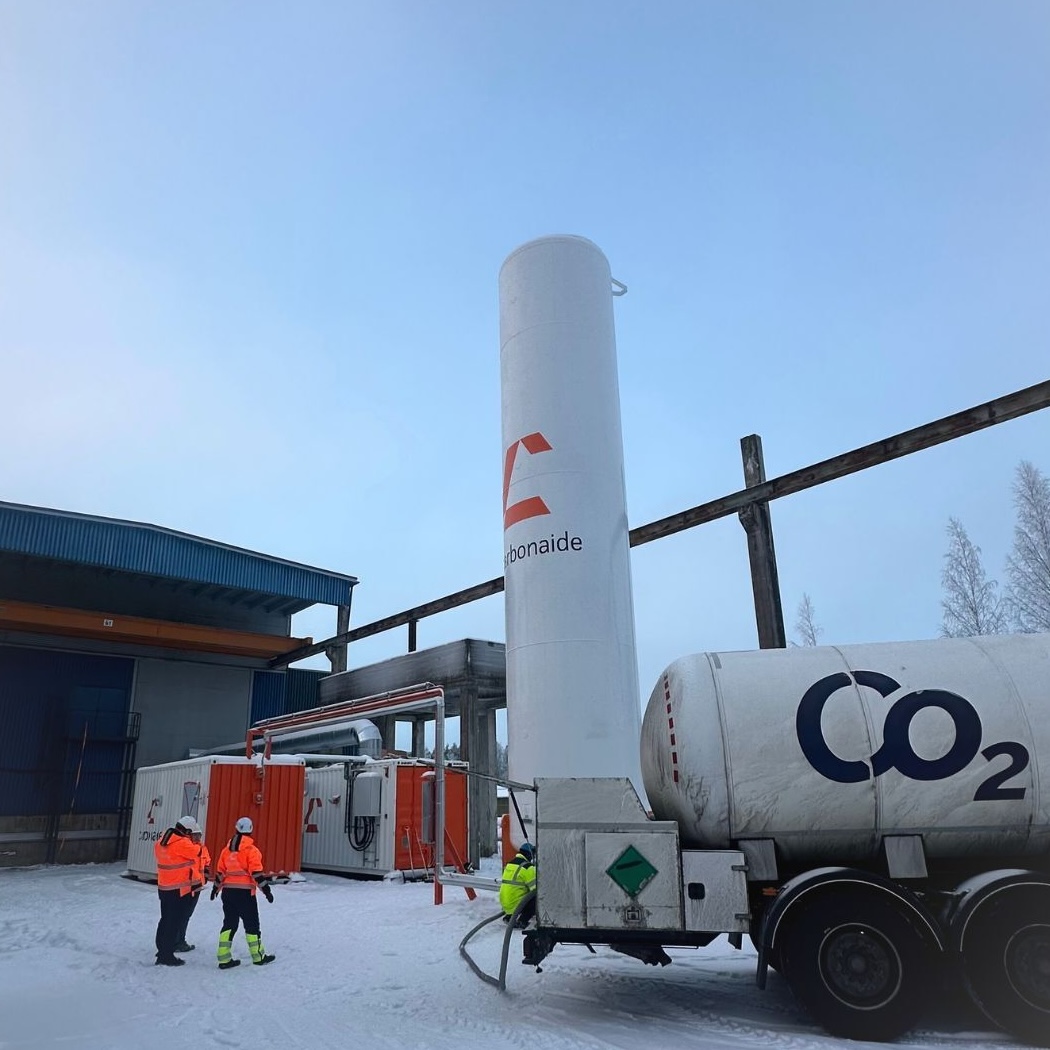
In the concrete industry, climate discussions often focus on emission reductions. While reductions are necessary, they are not enough. From a climate perspective, concrete should move beyond reduced emissions toward a net-negative carbon balance. This shift is both technically possible and commercially relevant today.
As a chemist working with concrete materials and carbon dioxide curing systems on a daily basis, I see a clear gap between what is technically achievable and what is currently demanded by the market.
The goal should permanent carbon storage integrated into standard concrete production, not just reducing emissions in the value chain.
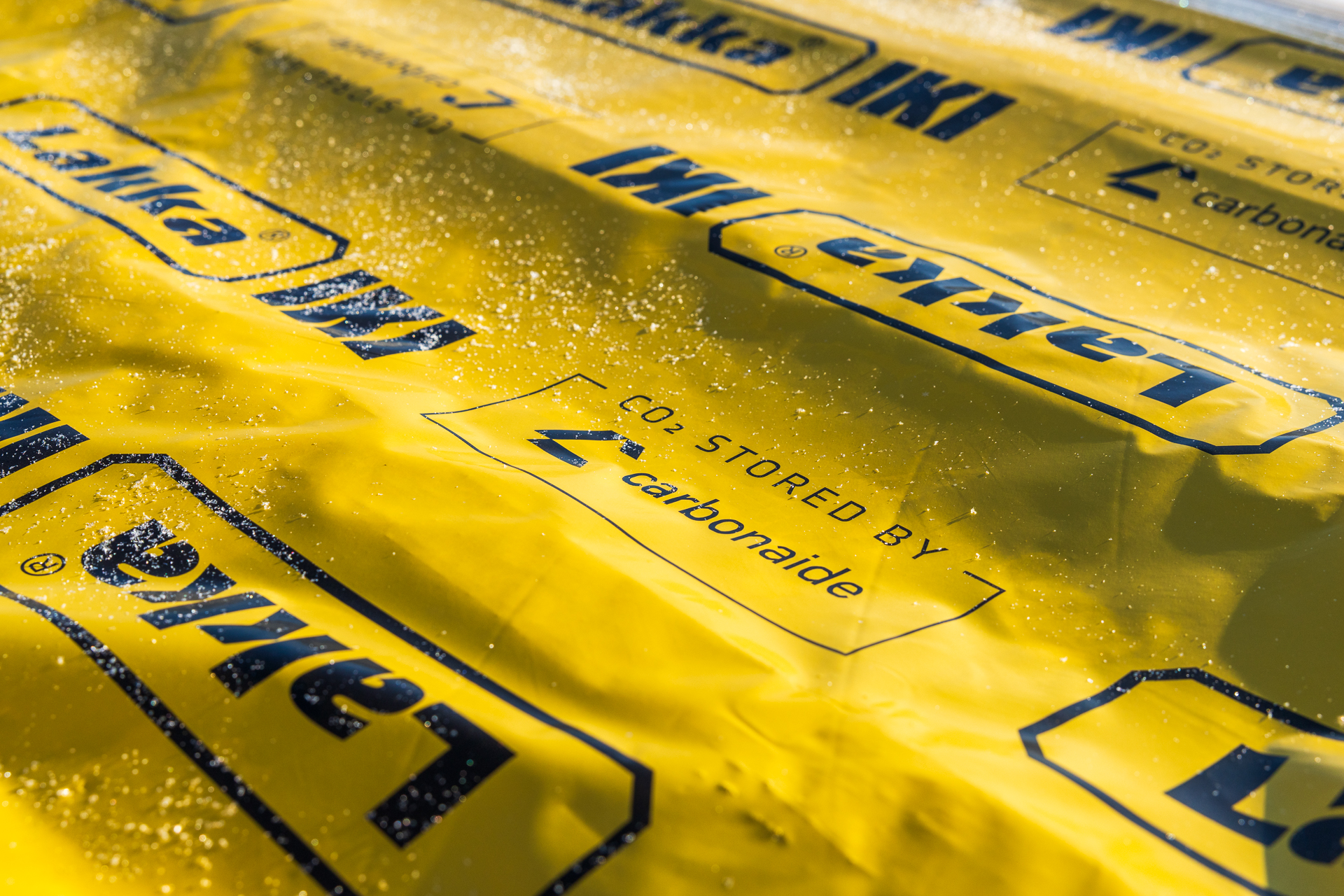
Is net-negative carbon footprint even possible?
A net negative carbon footprint in concrete requires two core components:
First, a low-carbon binder is needed to minimize the baseline emissions of the concrete mix. This includes the use of alternative binders that replace part of traditional Portland cement while meeting standard performance requirements.
Second, to move from low emissions to net-negativity, carbon dioxide curing is required. During CO₂ curing, carbon dioxide is utilized and stored through CO₂ mineralization. The carbon dioxide reacts with calcium-rich phases in the binder system, forming stable carbonates that permanently store CO₂ within the concrete matrix. This mineralization process creates a carbon sink that exceeds the remaining emissions of the concrete.
The mechanism is chemical and measurable. Alkaline binder phases react with CO₂, forming solid carbonates that are thermodynamically stable. Simultaneously, the formation of carbonates contributes to strength development and improves the mechanical properties of concrete.
Importantly, this approach should not be confused with substituting aggregates using nature-based carbon materials. In some lifecycle assessment scenarios, nature-based carbon is counted as a reduction by transferring the carbon footprint of biomass into concrete. This does not represent real emission reductions or permanent storage. Net-negative concrete relies on mineralization of gaseous CO2, not accounting methods.
From a customer perspective, this means that standard concrete fulfilling net-negative carbon footprint requirements can already be produced today using proven technology.
Materials of net-negative concrete
Today, net-negative concrete can be produced using several commercially available materials. Suitable binders include various slags, ashes, and sidestreams with high CaO content. These materials provide the alkalinity needed for efficient CO₂ mineralization during carbon dioxide curing.
Some sidestreams, such as stainless steel slags, react naturally with CO₂. Other materials require chemical activation to enable controlled and efficient mineralization. This activation process is one of the expert areas of us at Carbonaide and covered by the Carbonaide patent portfolio.
Portland cement remains part of the mix design to meet requirements of concrete standards and ensures consistent performance. Depending on the application and standard requirements, various replacements are used. In the longer term, carbon-captured Portland cements can replace and supplement sidestreams and further improve the optimized carbon footprint of concrete products.
From a practical standpoint, many sidestream materials are underutilized and available at low cost. This enables a combination of cost savings and low-carbon or net-negative concrete production. In our work, one of the main targets is to combine material selection and chemistry to enable both lower emissions and improved performance without compromising production efficiency.
What can I do to facilitate the transformation towards lower emission in the concrete industry?
Market pull plays a decisive role in accelerating the use of net-negative concrete. Communal buyers, companies, and public actors have significant influence through their tendering processes. By favoring concrete that combines low carbon binders with CO₂ mineralization, buyers can directly enable negative emission technology at scale.
Focusing only on carbon footprint values is short-sighted. The built environment will require net-negative emission technologies, not just reduced emissions. If the deployment of these technologies is delayed, they will not be available in sufficient volumes fast enough. Communities and companies can act now by setting clear requirements for permanent storage and verified CO₂ mineralization in concrete procurement.
The technology works. The materials exist. What is needed is demand that rewards permanent storage and negative emissions over prices – or consider price and carbon footprint as equal criteria for decision-making in the selection process.

By combining material science, carbon dioxide curing, and practical deployment, we can utilize concrete for climate change mitigation.
Increasing the use of carbon-negative concrete
To summarise, here are the my key points about how we can accelarate the adoption of low-carbon concrete and even reach carbon-negative concrete production:
- Carbon-negative concrete is available today, but market pull is essential for large-scale adoption.
- Replacing aggregates with bio-based carbon materials should not be confused with decarbonized concrete that utilizes and stores CO₂ through mineralization. Only the latter offers actual permanent carbon dioxide
- Communities and companies are the key enablers of change, the pressure should not be placed on concrete manufacturers alone.
At Carbonaide, we focus on proven technology that enables permanent storage, optimized carbon footprint, and scalable solutions for the concrete industry.