
CO₂ emissions are releases of carbon dioxide gas into the atmosphere, primarily from burning fossil fuels, industrial processes, and natural sources. They matter because carbon dioxide traps heat in our atmosphere, driving global warming and climate change. Understanding emission sources and reduction strategies helps us address one of the most pressing environmental challenges of our time.
What exactly are CO₂ emissions and where do they come from?
Carbon dioxide emissions are releases of CO₂ gas that occur when carbon-containing materials burn or decompose. These emissions come from both natural processes, such as animal respiration and volcanic activity, and human activities, such as burning fossil fuels, manufacturing, and transportation.
Natural CO₂ sources include forests, oceans, and living organisms that release carbon dioxide through normal biological processes. However, human-made sources now produce far more emissions than natural systems can absorb. The major human contributors include:
- Power generation facilities – Coal and gas-fired power plants burn fossil fuels to produce electricity, releasing massive amounts of stored carbon
- Transportation systems – Cars, trucks, ships, and planes consume petrol, diesel, and jet fuel for movement and cargo transport
- Industrial manufacturing – Factories producing steel, chemicals, and other materials require high-temperature processes that burn fossil fuels
- Building operations – Residential and commercial buildings use energy for heating, cooling, and electrical systems throughout the year
These human activities have fundamentally altered the global carbon cycle, with industrial processes now releasing carbon dioxide faster than Earth’s natural systems can reabsorb it. This imbalance drives the accumulation of greenhouse gases in our atmosphere, making human emission sources the primary driver of current climate change.
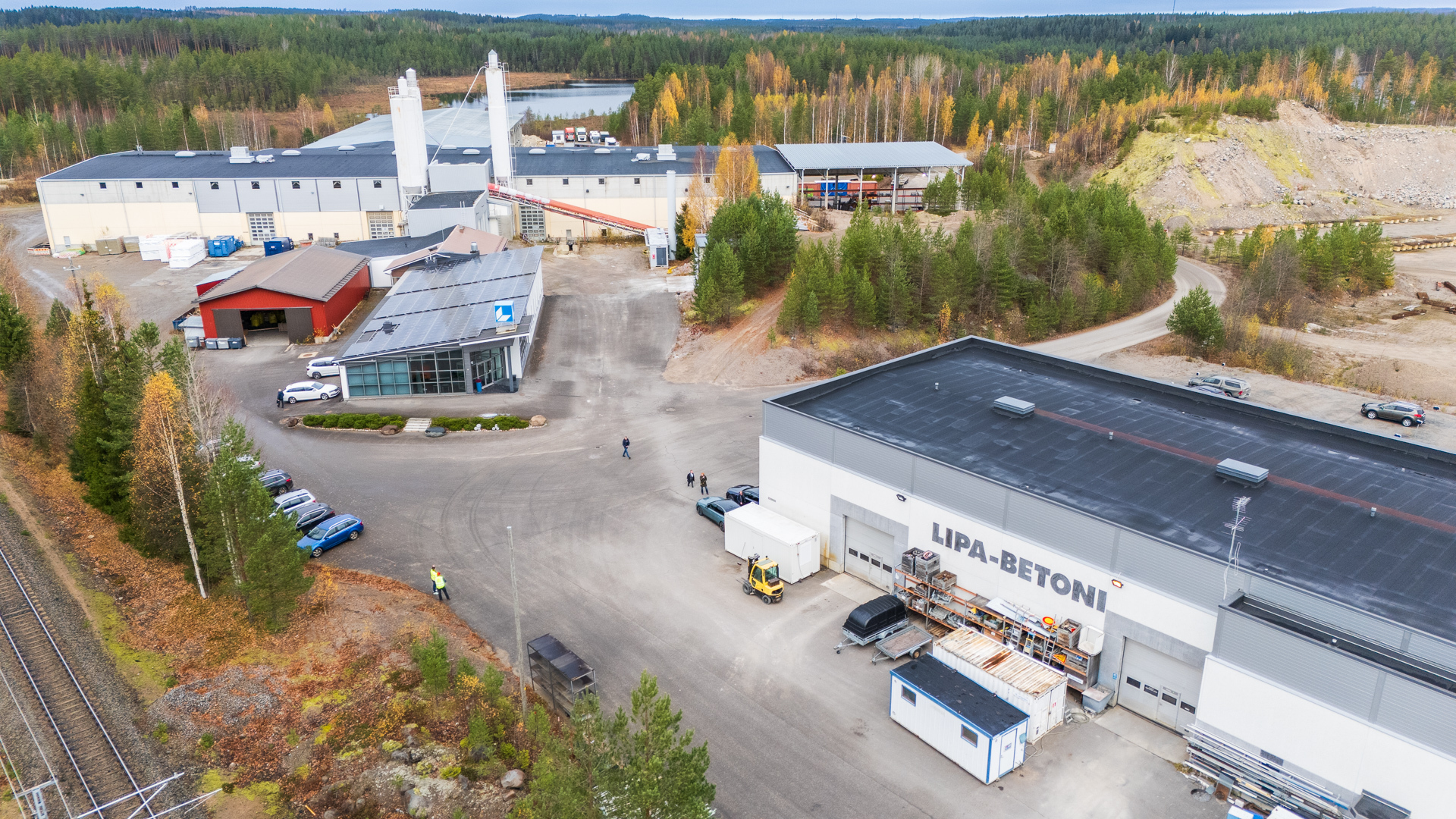
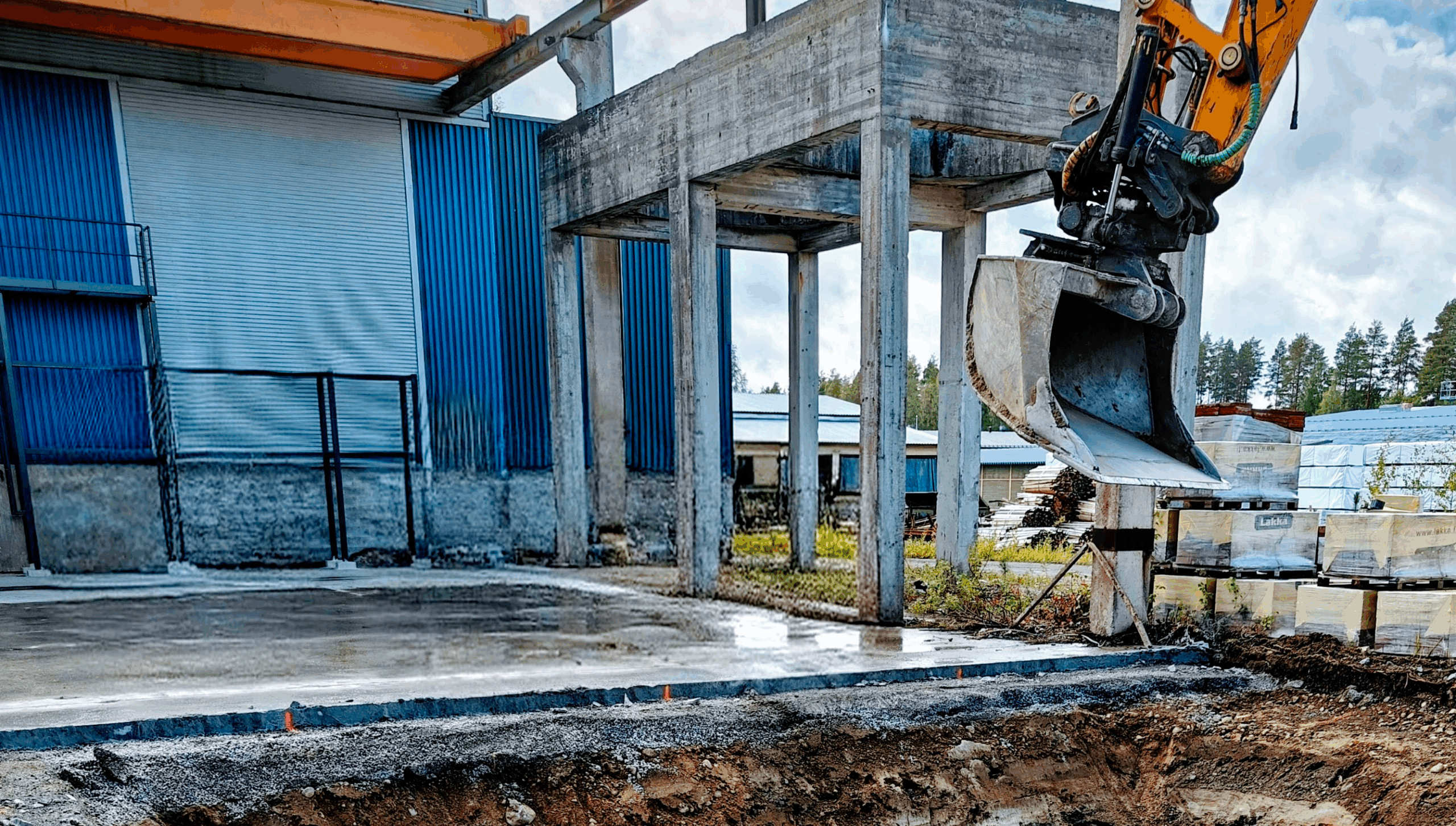
The construction industry represents a particularly significant emission source through concrete production. When cement is manufactured, limestone is heated to extreme temperatures, releasing stored carbon dioxide. This process, combined with the energy needed for heating, makes concrete production a major contributor to global greenhouse gas emissions.
Why do CO₂ emissions matter for our planet and future?
CO₂ emissions matter because carbon dioxide acts like a blanket around Earth, trapping heat that would otherwise escape to space. This greenhouse effect is natural and necessary for life, but too much CO₂ creates dangerous warming that disrupts weather patterns, ecosystems, and human societies.
When sunlight reaches Earth, some energy reflects back toward space as heat. Carbon dioxide molecules in the atmosphere absorb this outgoing heat and re-emit it in all directions, including back toward Earth’s surface. Higher CO₂ concentrations mean more heat gets trapped, causing global temperatures to rise.
This warming creates cascading effects across multiple systems:
- Sea level rise – Melting ice caps and thermal expansion of warming oceans threaten coastal communities and infrastructure worldwide
- Extreme weather intensification – Hurricanes, heatwaves, and storms become more frequent and severe as additional energy drives atmospheric systems
- Agricultural disruption – Shifting growing seasons, changing precipitation patterns, and temperature stress reduce crop yields and food security
- Ecosystem displacement – Species migration patterns change as habitats become unsuitable, disrupting food chains and biodiversity
These changes happen gradually but compound over time, creating feedback loops that accelerate warming and make adaptation increasingly difficult. Early action proves much more effective and cost-efficient than responding to severe climate impacts after they occur, making emission reduction both an environmental and economic imperative.
How do different industries contribute to global CO₂ emissions?
Energy production creates the largest share of CO₂ emissions, followed by transportation, manufacturing, and construction. Each sector contributes through different processes, with some industries offering more opportunities for emission reductions than others.
The global emission profile shows distinct patterns across major economic sectors:
- Electricity and heat production (25%) – Fossil fuel power plants burn coal, natural gas, and oil to generate electricity for homes, businesses, and industries
- Transportation (14%) – Road vehicles, shipping, aviation, and rail systems consume petroleum-based fuels for passenger and freight movement
- Manufacturing and construction (21%) – Industrial processes require high-temperature heating for steel, cement, chemicals, and other materials production
- Agriculture and land use (24%) – Livestock farming, rice cultivation, fertiliser application, and deforestation release stored carbon and methane
- Buildings (6%) – Residential and commercial structures consume energy for heating, cooling, lighting, and appliances
- Other energy uses (10%) – Industrial heating, mining operations, and waste management contribute additional emissions
These sectors interconnect in complex ways, with electricity production serving manufacturing needs, transportation moving construction materials, and buildings housing both residential and industrial activities. Understanding these relationships helps identify the most effective intervention points for emission reduction strategies.
The construction sector contributes significantly through material production, especially concrete manufacturing. Making cement requires heating limestone to around 1,450°C, which releases CO₂ both from the fuel burned and from the limestone itself. Construction also involves transporting heavy materials long distances and operating energy-intensive equipment on building sites.
What can we actually do to reduce CO₂ emissions?
Emission reduction requires both individual actions and industrial innovations working together. Effective solutions range from switching to renewable energy and improving efficiency to developing new technologies that capture or avoid CO₂ emissions entirely.
Practical reduction strategies operate across multiple scales and timeframes:
- Individual lifestyle changes – Using public transport, cycling, improving home insulation, and choosing renewable electricity suppliers create market demand for cleaner alternatives
- Industrial decarbonisation – Transitioning power grids to solar and wind energy, developing electric vehicles, and creating more efficient manufacturing processes
- Material innovations – Developing alternative building materials that require less energy to produce and can store carbon within their structure
- Carbon capture technologies – Installing systems that capture CO₂ from industrial processes and either store it permanently or use it in useful products
- Policy and finance mechanisms – Implementing carbon pricing, renewable energy incentives, and investment frameworks that accelerate clean technology deployment
These approaches work synergistically, with individual actions creating market signals that drive industrial innovation, while policy frameworks provide the stability and incentives needed for large-scale technological transformation. The most successful emission reduction strategies combine immediate efficiency improvements with longer-term breakthrough technologies.
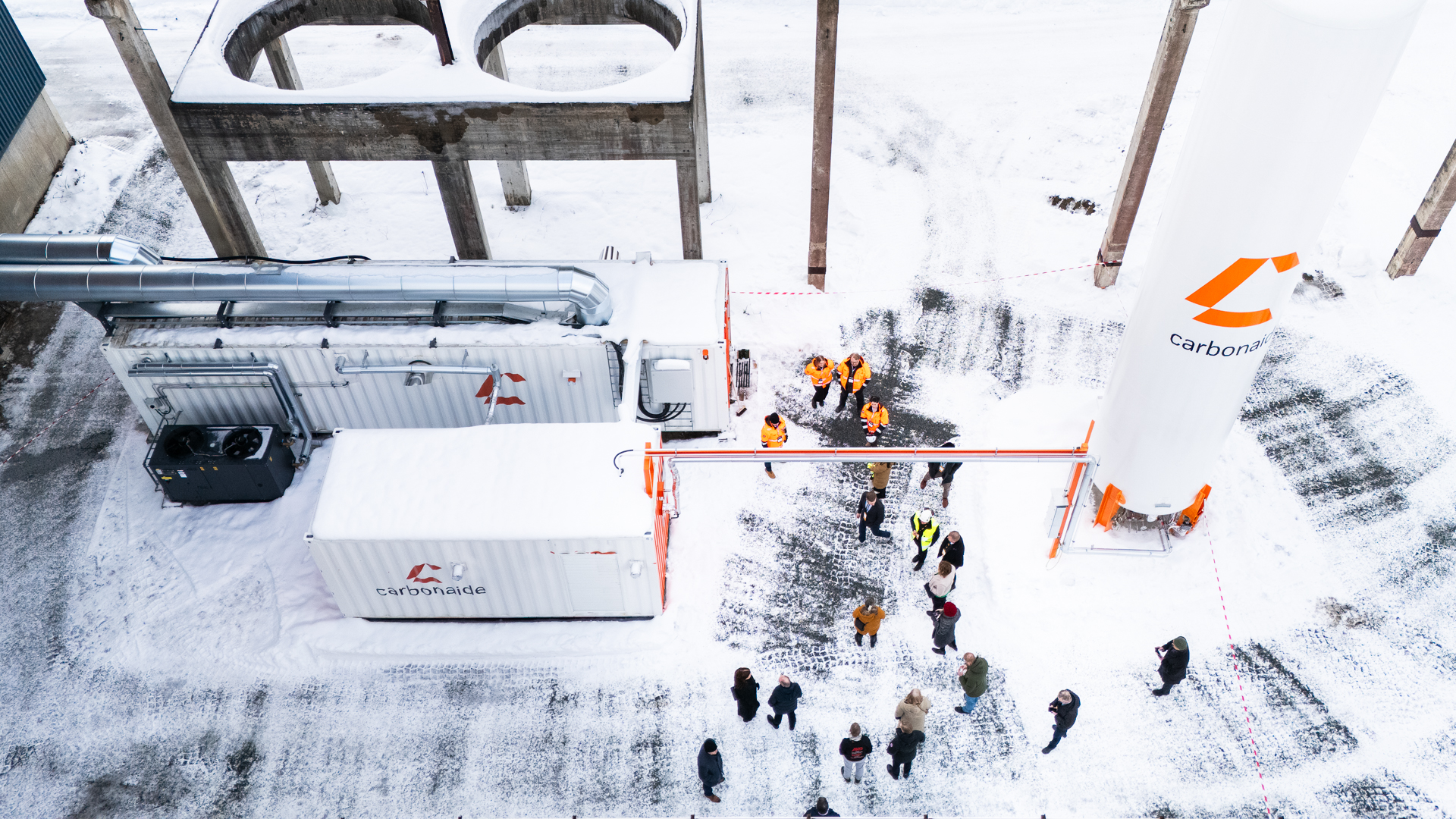
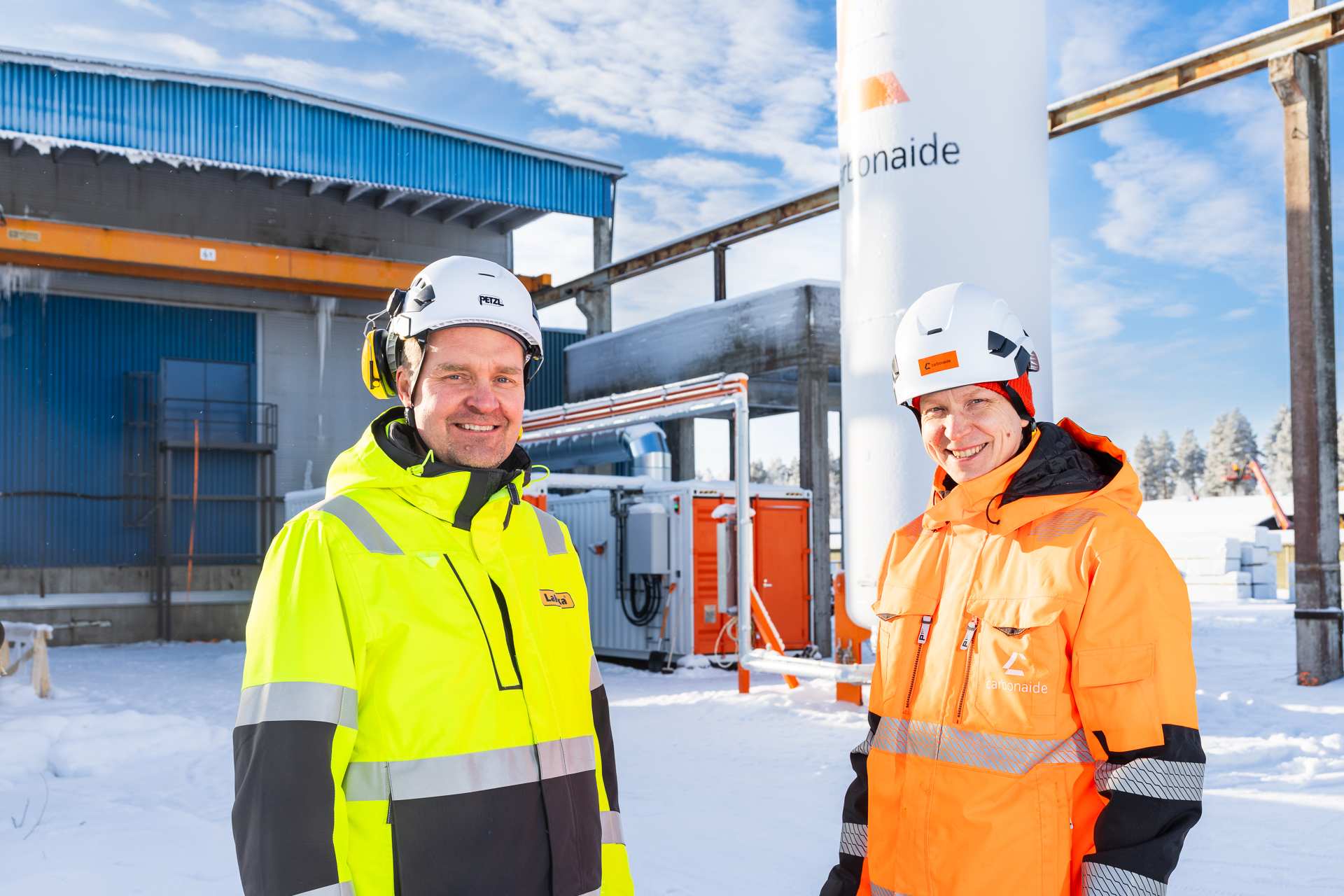
Emerging carbon utilisation technologies offer particularly promising opportunities in construction. Some concrete production methods now use captured CO₂ to strengthen the material while permanently storing the carbon dioxide within the finished product. This approach transforms construction materials from emission sources into carbon storage solutions, helping buildings contribute to climate solutions rather than climate problems. As these technologies scale up, they create economic incentives for emission reduction while delivering the infrastructure society needs for continued development.
If you are interested in learning more, contact our team of experts today.