
Concrete manufacturers face mounting pressures from rising material costs, evolving environmental regulations, and the challenge of scaling sustainable production methods. These interconnected challenges are reshaping how concrete companies operate, forcing them to balance profitability with environmental responsibility while meeting growing construction demand.
What are the biggest cost pressures hitting concrete manufacturers right now?
Several critical cost pressures are simultaneously impacting concrete manufacturers across the industry:
- Material costs: Cement prices fluctuate due to supply chain disruptions and energy-intensive production processes, representing the most significant financial pressure manufacturers face
- Labour shortages: Skilled workers become increasingly difficult to find and retain, driving up wage costs across manufacturing operations
- Energy expenses: Traditional steam curing methods consume considerable amounts of fuel, making manufacturers vulnerable to energy price volatility
- Regulatory compliance costs: New environmental standards require monitoring equipment, reporting systems, and facility modifications to meet emissions requirements
- Transportation expenses: Fuel prices and driver shortages create unpredictable logistics costs, especially for precast concrete manufacturers delivering heavy products to construction sites
These interconnected cost pressures create a challenging operating environment where manufacturers struggle to maintain competitive pricing while absorbing increased operational expenses. Smaller manufacturers face particular difficulty as they lack the economies of scale that larger operations enjoy, making it harder to absorb these rising costs without compromising profitability or market position.
How are environmental regulations changing concrete production requirements?
Environmental regulations are fundamentally transforming how concrete manufacturers operate and document their production processes:
- Carbon reporting mandates: Manufacturers must track and document their carbon footprint throughout production, requiring new software systems and dedicated personnel for compliance management
- Emissions standards: New limits on CO₂ releases during production push manufacturers to explore alternative methods and invest in cleaner technologies
- Sustainability certifications: Major construction projects now require verified environmental credentials, forcing manufacturers to document everything from raw material sourcing to waste management procedures
- Alternative material requirements: Regulations encourage the use of supplementary cementitious materials (SCMs) and alternative binders to reduce cement content in concrete mixes
- Offset obligations: Some regions require facilities to offset emissions through verified carbon credits or direct emission reduction measures
This regulatory transformation creates both challenges and opportunities for manufacturers. While compliance requires significant investment in monitoring and documentation systems, it also drives innovation toward more sustainable production methods. The shift toward environmental accountability is becoming a competitive differentiator, with manufacturers who adapt early gaining advantages in securing contracts for environmentally conscious construction projects.
Why is the concrete industry struggling to meet growing demand sustainably?
The concrete industry faces several interconnected obstacles when attempting to scale sustainable production to meet increasing construction demand:
- Fundamental production conflict: Traditional methods cannot simultaneously scale to meet infrastructure needs while reducing carbon emissions, creating an inherent tension between volume and environmental impact
- Supply chain limitations: Sustainable materials like slag and fly ash are byproducts of other industries, so their availability doesn’t align with concrete production needs
- Capital investment barriers: Scaling sustainable production requires significant upfront costs for new technologies and equipment that may not provide immediate returns
- Quality consistency challenges: Alternative materials and new production methods require extensive testing and quality assurance to ensure concrete meets strength and durability standards
- Production speed constraints: Sustainable methods often involve longer curing times or more complex processes that can slow overall production capacity
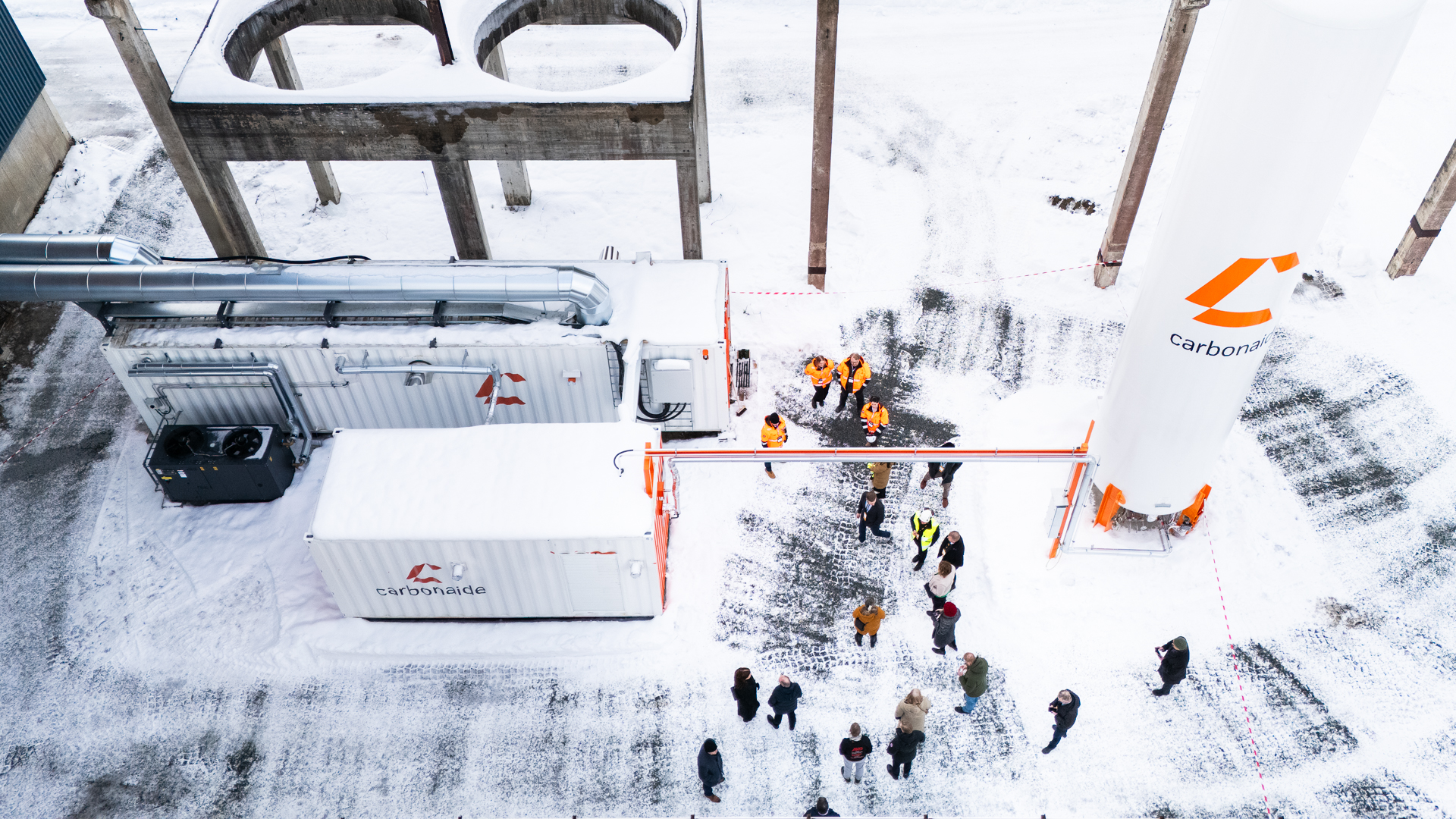
These challenges highlight the need for innovative solutions that can address multiple problems simultaneously. The industry requires technologies that can maintain production efficiency while reducing environmental impact and ensuring consistent quality. Advanced approaches like CO₂ curing technology offer promising pathways by reducing cement requirements, accelerating production times, and permanently storing carbon dioxide within concrete structures, helping manufacturers meet both production targets and environmental responsibilities without compromising profitability.
If you are interested in learning more, contact our team of experts today.