
Construction projects use several main types of concrete, each designed for specific applications and requirements:
- Ready-mix concrete – Arrives pre-mixed from plants, ensuring consistent quality and eliminating on-site mixing requirements
- Precast concrete – Manufactured off-site in controlled factory conditions for superior quality control and faster installation
- Reinforced concrete – Includes steel bars or mesh for added tensile strength in structural applications
- Specialty varieties – Address unique project needs such as high-strength, lightweight, decorative, or self-consolidating properties
Understanding these concrete types helps you make informed decisions based on your construction project’s structural requirements, timeline constraints, and environmental conditions. Each type offers distinct advantages that can significantly impact project success, from the convenience of ready-mix for standard applications to the precision manufacturing of precast elements for complex structures.
What are the most common types of concrete used in construction today?
Ready-mix concrete dominates modern construction as the most widely used type. This concrete arrives at job sites pre-mixed from batch plants, ensuring consistent quality and eliminating on-site mixing requirements. Ready-mix concrete works well for foundations, slabs, driveways, and general construction applications where standard strength requirements apply.
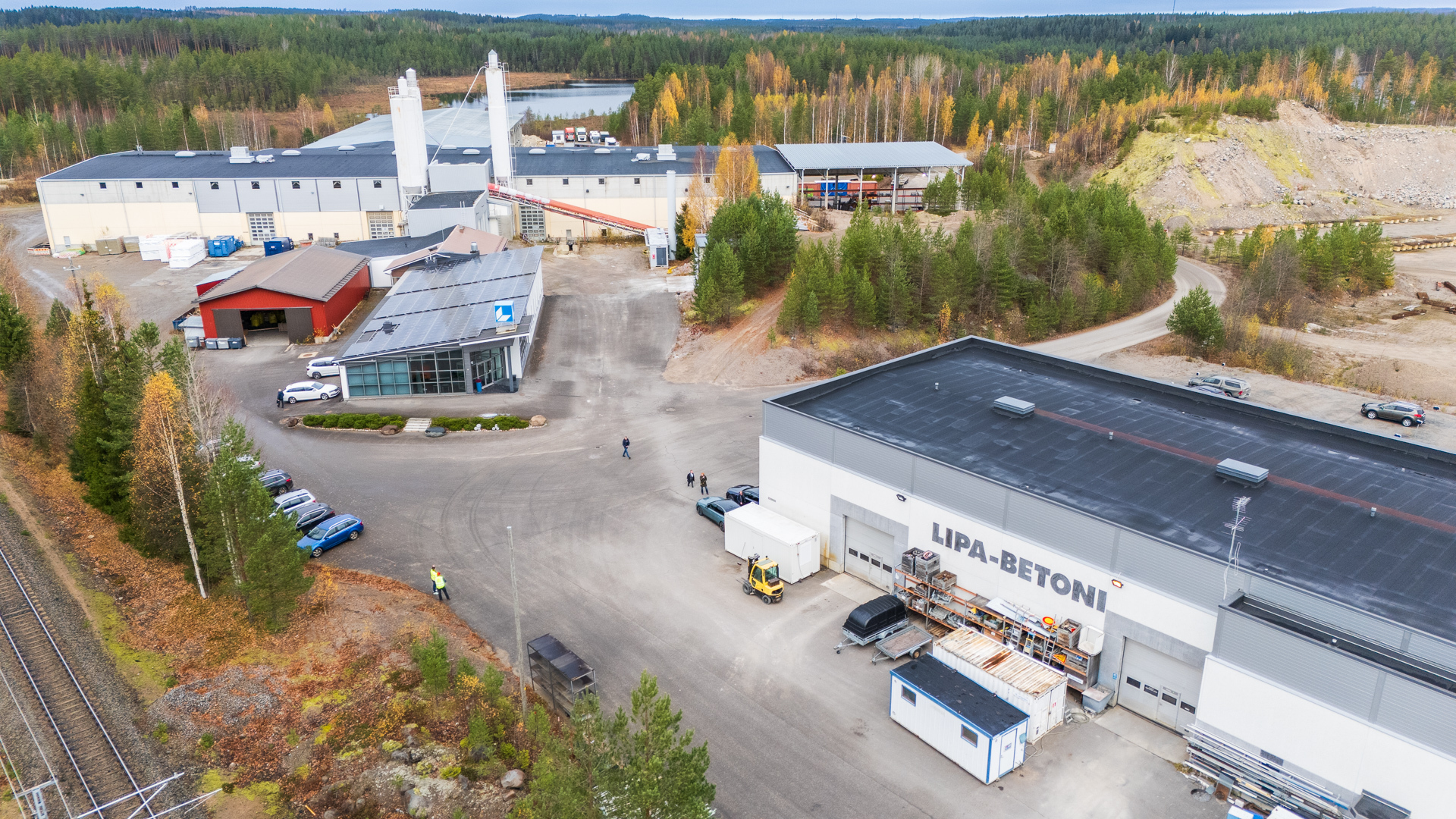
Precast concrete represents another major category, manufactured in controlled factory environments before transport to construction sites. This method produces concrete elements such as beams, panels, pipes, and architectural features with superior quality control and faster installation times.
Reinforced concrete incorporates steel reinforcement bars (rebar) or mesh to handle tensile forces that plain concrete cannot withstand alone. You’ll find reinforced concrete in structural applications such as building frames, bridges, retaining walls, and high-rise construction where strength demands exceed plain concrete capabilities.
Specialty concrete varieties address specific project requirements. High-strength concrete handles heavy loads, while lightweight concrete reduces structural weight. Decorative concrete provides aesthetic appeal through colours, textures, or patterns. Self-consolidating concrete flows easily into complex forms without vibration, making it useful for intricate architectural elements.
How do you choose the right concrete type for your construction project?
Your project requirements determine the appropriate concrete type through careful consideration of several key factors:
- Structural demands – Heavy loads require high-strength concrete, while standard residential applications work well with ready-mix varieties
- Environmental conditions – Freeze-thaw climates need air-entrained concrete, marine environments require chloride-resistant formulations
- Timeline constraints – Ready-mix offers scheduling flexibility, while precast elements accelerate construction through parallel manufacturing
- Budget considerations – Balance initial costs against long-term performance, maintenance requirements, and service life expectations
- Quality control requirements – Projects demanding consistent properties often favour precast concrete’s controlled factory manufacturing conditions
The selection process requires balancing these competing factors to find the optimal solution for your specific project. While specialty concrete types may increase upfront costs, they often deliver superior long-term value through enhanced performance, reduced maintenance needs, and extended service life that justify the additional investment over the project’s lifetime.
What’s the difference between precast and cast-in-place concrete?
Precast concrete is manufactured in factory environments under controlled conditions, then transported and installed at construction sites. Cast-in-place concrete is mixed and poured directly at the construction location, forming the final structure where it will remain permanently.
The key differences between these approaches include:
- Quality control – Precast benefits from consistent factory conditions and controlled curing, while cast-in-place faces weather variability and site condition challenges
- Construction speed – Precast elements arrive ready for rapid installation with simultaneous manufacturing and site preparation, while cast-in-place requires sequential forming, pouring, and curing processes
- Design flexibility – Cast-in-place accommodates complex geometries and site-specific modifications easily, while precast works best for standardised, repetitive components
- Cost implications – Precast offers economies of scale for large projects with repetitive elements, while cast-in-place may prove more economical for smaller or unique designs
- Transportation factors – Precast concrete costs can be significantly impacted by distance from manufacturing facilities to construction sites
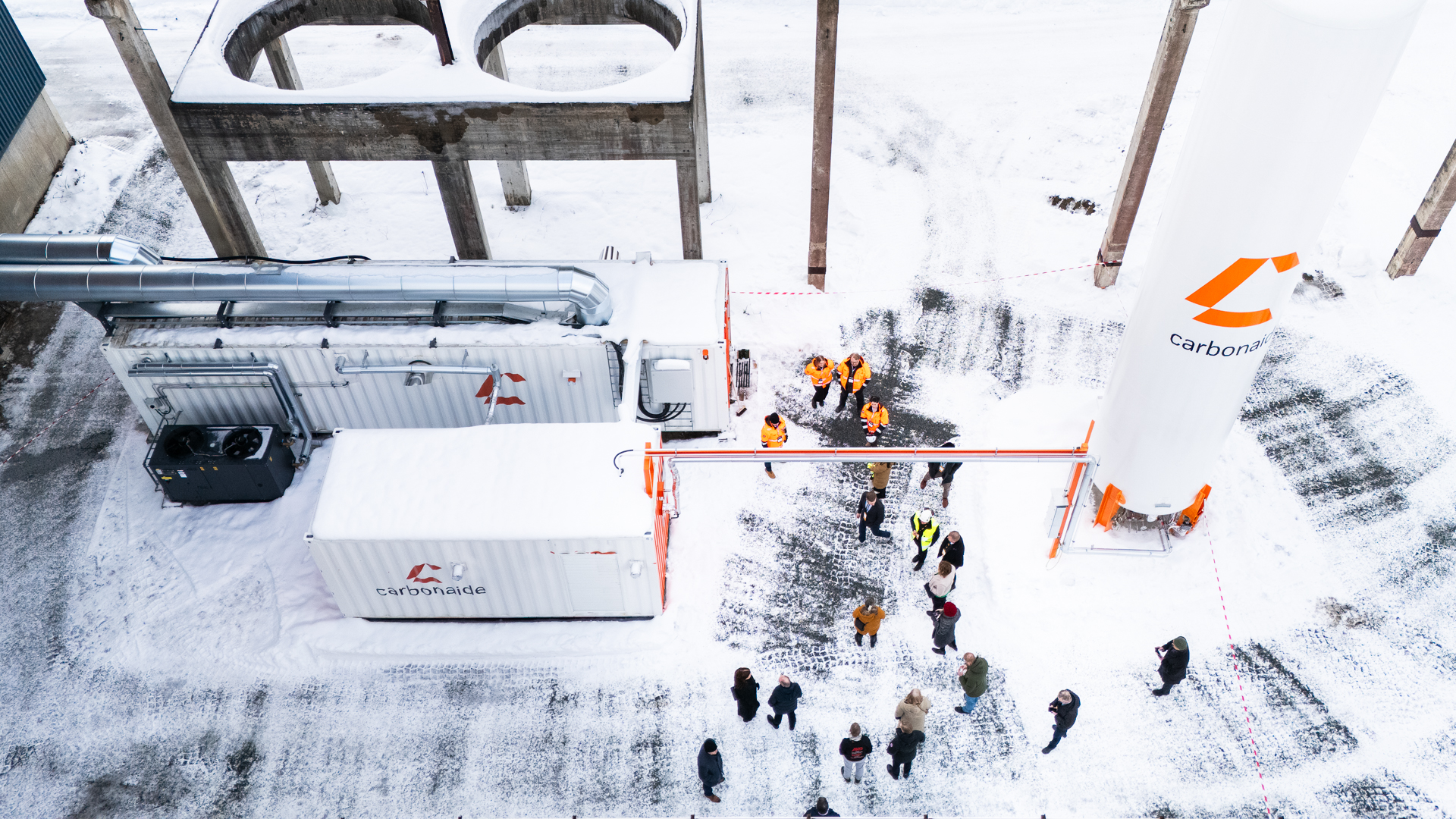
Both methods serve essential roles in modern construction, with the choice depending on project-specific requirements for quality, speed, complexity, and cost-effectiveness. We’re advancing precast concrete production through CO₂ curing technology that reduces cement requirements while accelerating manufacturing timelines. This innovation makes precast concrete even more attractive by combining environmental benefits with improved production efficiency, helping construction projects achieve both sustainability goals and enhanced performance standards.
If you are interested in learning more, contact our team of experts today.