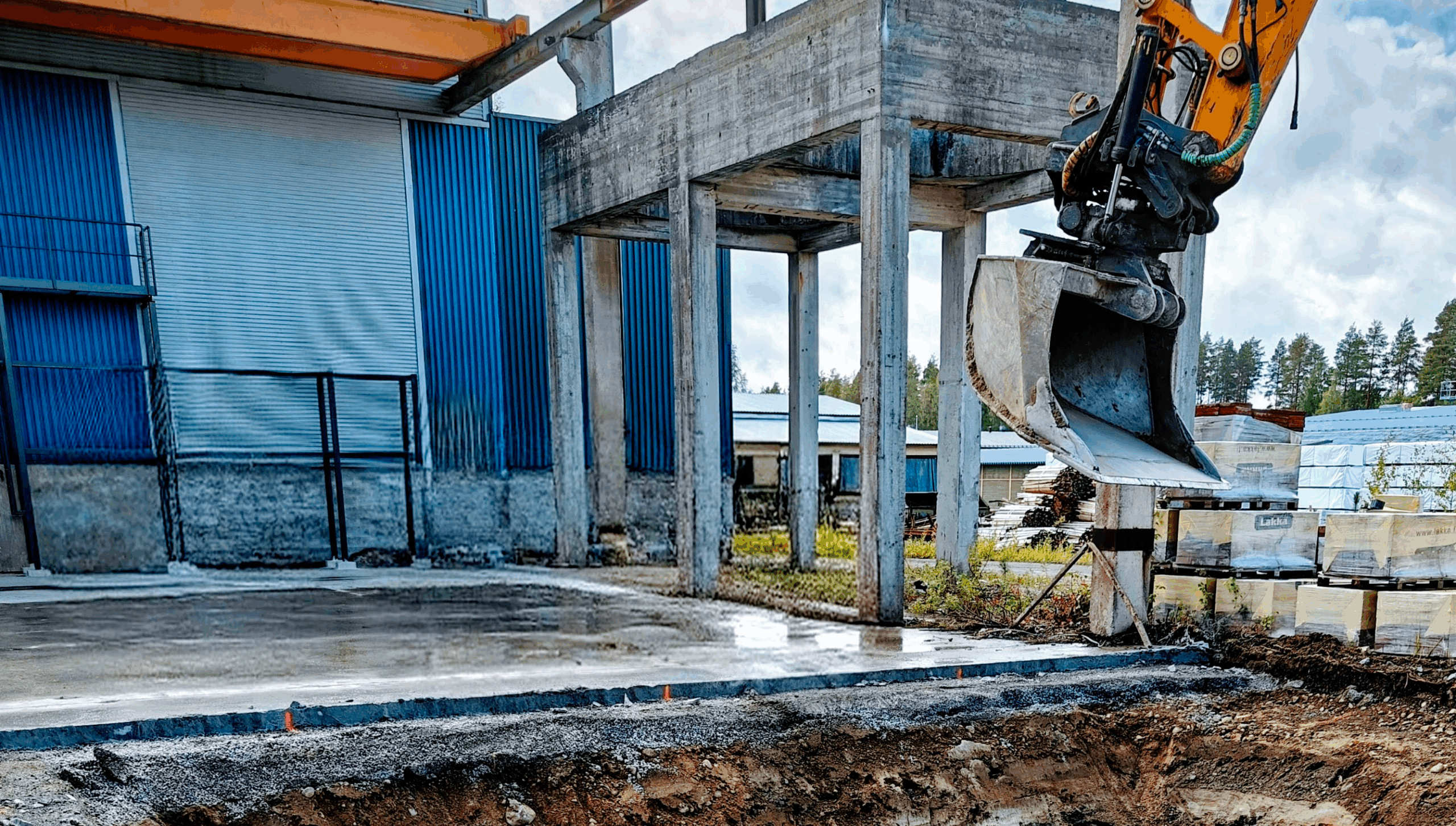

Net zero means balancing the amount of greenhouse gases you produce with the amount you remove from the atmosphere, resulting in no net increase in emissions. Think of it like a scale where what goes in equals what comes out. This balance can be achieved by reducing emissions and using methods like carbon capture or natural solutions to absorb the remaining emissions.
What does net zero actually mean?
Net zero emissions occur when the greenhouse gases released into the atmosphere equal the amount removed, creating a perfect balance. This does not mean stopping all emissions completely, but rather ensuring that any emissions produced are offset by equivalent removals.
You can picture this as a bathtub with water flowing in and water draining out at the same rate. The water level stays constant because the inflow matches the outflow. Similarly, with net zero, carbon dioxide and other greenhouse gases entering the atmosphere are balanced by the same amount being taken out.
Achieving this balance involves several key approaches:
- Emission reduction: Switching to renewable energy, improving efficiency, or changing processes to minimise greenhouse gas output at the source
- Natural removal methods: Planting trees and restoring ecosystems that naturally absorb carbon dioxide from the atmosphere
- Technological solutions: Investing in carbon capture technology that mechanically pulls greenhouse gases from the air
- Direct air capture projects: Supporting specialised facilities designed to extract and store carbon dioxide permanently
These approaches work together to create a comprehensive strategy where emission reductions handle the bulk of the work, while removal methods address the remaining unavoidable emissions. The key is that the maths must add up perfectly – if you emit ten tonnes of carbon dioxide, you need to remove ten tonnes to achieve net zero, requiring careful measurement and verification to ensure the balance is real and permanent.
How is net zero different from carbon neutral?
Carbon neutral typically focuses only on carbon dioxide emissions, while net zero includes all greenhouse gases, such as methane, nitrous oxide, and fluorinated gases. Net zero also requires more rigorous measurement and often emphasises permanent removal over temporary offsetting.
The key differences between these approaches include:
- Scope of gases covered: Carbon neutral addresses mainly CO2, while net zero encompasses all greenhouse gases including methane and nitrous oxide
- Reduction requirements: Net zero typically demands substantial emission reductions first, using removals only for hard-to-eliminate emissions
- Permanence standards: Carbon neutral often accepts temporary offsets, while net zero requires permanent or long-lasting removal solutions
- Accounting rigor: Net zero involves more stringent measurement and verification processes to ensure genuine climate impact
- Operational boundaries: Net zero usually includes indirect supply chain emissions, while carbon neutral might focus only on direct operations
These distinctions make net zero more challenging to achieve but significantly more meaningful for actual climate impact. While carbon neutral approaches often rely heavily on purchasing offset credits from various projects, net zero demands a fundamental transformation in how emissions are produced and managed across entire value chains.
Why does reaching net zero matter for our future?
Net zero is important because it stops the accumulation of greenhouse gases in our atmosphere, which is necessary to prevent dangerous climate change. Without achieving this balance globally, temperatures will continue rising with increasingly severe consequences for weather patterns, food systems, and economic stability.
The atmosphere acts like a savings account for greenhouse gases. Every emission adds to the total, and this accumulated amount determines how much warming occurs. Only by reaching net zero can we stop adding to this atmospheric bank account and stabilise global temperatures.
The benefits of pursuing net zero extend across multiple areas:
- Business innovation: Companies often discover cost-saving opportunities and competitive advantages while developing cleaner operations
- Economic resilience: Organisations future-proof themselves against rising carbon costs and increasingly strict environmental regulations
- Community health: Local air quality improves through reduced emissions, benefiting public health and quality of life
- System improvements: The transition typically involves better transport networks, more efficient buildings, and local renewable energy infrastructure
- Climate stability: Global net zero achievement prevents the worst impacts of climate change, protecting food systems and economic stability
These interconnected benefits demonstrate why net zero represents more than just an environmental target – it’s a pathway toward more resilient, efficient, and prosperous communities while addressing one of the most pressing challenges of our time.
How can businesses and individuals work toward net zero?
The path to net zero starts with measuring your current emissions, then reducing them as much as possible through efficiency improvements and clean alternatives, before using verified removal methods for any remaining emissions that cannot be eliminated.
Measurement comes first because you cannot manage what you do not measure. This involves tracking energy use, transport, waste, and supply chain emissions to understand where your biggest impacts occur. Many find that this process alone reveals immediate opportunities for improvement.
The journey toward net zero follows a structured approach:
- Comprehensive measurement: Track all emission sources including energy, transport, waste, and supply chain impacts to identify the biggest opportunities
- Direct reduction strategies: Switch to renewable energy, improve building efficiency, and choose low-carbon transport options
- Supply chain engagement: Work with suppliers and partners who share similar environmental commitments and reduction targets
- Technology adoption: Implement energy-efficient equipment, smart systems, and clean technologies that reduce operational emissions
- Verified removal solutions: Use permanent carbon storage methods like reforestation, carbon capture technologies, or innovative material solutions for remaining emissions
This systematic approach ensures that emission reductions receive priority attention while removal methods address only the most difficult-to-eliminate sources. The construction sector offers particularly promising opportunities because buildings and infrastructure represent long-term carbon storage potential. When concrete and other materials can permanently lock away carbon dioxide while providing structural strength, construction transforms from being an emission source into part of the climate solution, providing measurable and verifiable carbon removal that contributes meaningfully to net zero goals.
If you are interested in learning more, contact our team of experts today.