
Cement manufacturing creates one of the largest carbon footprints in the construction industry and is responsible for significant global CO2 emissions. The production process releases carbon dioxide through both chemical reactions and energy-intensive heating, making cement one of the most carbon-intensive building materials.
What exactly is the carbon footprint of cement manufacturing?
Cement manufacturing generates large CO2 emissions through two primary sources: the chemical breakdown of limestone and the energy required for high-temperature production. The process can release up to one tonne of CO2 for every tonne of cement produced, making the cement and concrete industry one of the biggest sources of global greenhouse gas emissions.
The scale of this environmental impact stems from cement’s role as the binding agent in concrete, which is the world’s most widely used construction material after water. Every building, bridge, and infrastructure project relies heavily on concrete, creating enormous demand for cement production worldwide.
This carbon footprint becomes particularly concerning when you consider the construction industry’s growth trajectory. As urbanisation accelerates globally, cement demand continues to rise, making emission reduction strategies increasingly important for climate goals.
Why does cement production create so much CO2 in the first place?
Cement production creates substantial CO2 emissions through two largely unavoidable processes that are fundamental to traditional cement chemistry:
- Limestone calcination: The chemical breakdown of limestone (calcium carbonate) at temperatures above 900°C releases CO2 as a direct byproduct, accounting for roughly two-thirds of cement’s carbon emissions
- High-temperature kiln operations: Cement kilns require temperatures exceeding 1,400°C, typically burning fossil fuels to maintain these extreme conditions necessary for cement clinker formation
These emission sources present unique challenges because they’re inherent to cement’s chemical properties rather than operational inefficiencies. The calcination process involves calcium carbonate decomposing into calcium oxide and carbon dioxide – a chemical reaction that is essential to creating the binding properties that make cement effective. This fundamental chemistry means that reducing cement’s carbon footprint requires innovative approaches that go beyond simple energy optimisation.
How does concrete’s carbon footprint compare to other building materials?
Concrete’s environmental impact varies significantly when compared to other building materials, depending on application requirements and lifecycle considerations.
While concrete generally produces higher CO2 emissions per unit than some other common building materials, its unique combination of strength, durability, and versatility makes it irreplaceable in many construction applications. This reality emphasises the importance of developing lower-carbon concrete solutions rather than simply avoiding concrete use, as the material’s functional benefits often outweigh alternatives when considering full building performance and longevity.
What are the most promising ways to reduce cement’s carbon footprint?
Several innovative approaches show significant promise for reducing cement’s environmental impact while maintaining or improving concrete performance:
- Alternative cement formulations: Replace portions of traditional Portland cement with supplementary cementitious materials (SCMs) such as slag or ash, directly cutting emissions while maintaining structural integrity
- New production methods in the concrete factories: Introduction of process improvement and upgrades to production lines such as CO2 treatment during concrete curing, transforming concrete into a carbon storage solution
- Industrial byproduct integration: Utilises waste materials from steel and iron production that can serve as effective cement replacements when activated through carbonation processes
- Carbon capture technologies: Capture CO2 emissions from cement plants and either store them permanently or utilise them in concrete production processes
The most effective strategies combine multiple approaches to achieve substantial emission reductions. These integrated solutions represent the most viable path toward making concrete production compatible with global climate goals.
How can CO2 curing technology turn concrete into a carbon sink?
CO2 curing technology transforms concrete into a carbon sink by permanently mineralising carbon dioxide within the concrete structure during the curing process. This approach reverses concrete’s traditional role as a carbon emitter, creating building materials that actively remove CO2 from the atmosphere.
The process works through chemical reactions in which CO2 introduced during curing forms calcium carbonate compounds within the concrete matrix. These carbonates become permanently bound within the concrete structure, ensuring the stored carbon cannot leak back into the atmosphere over the building’s lifetime.
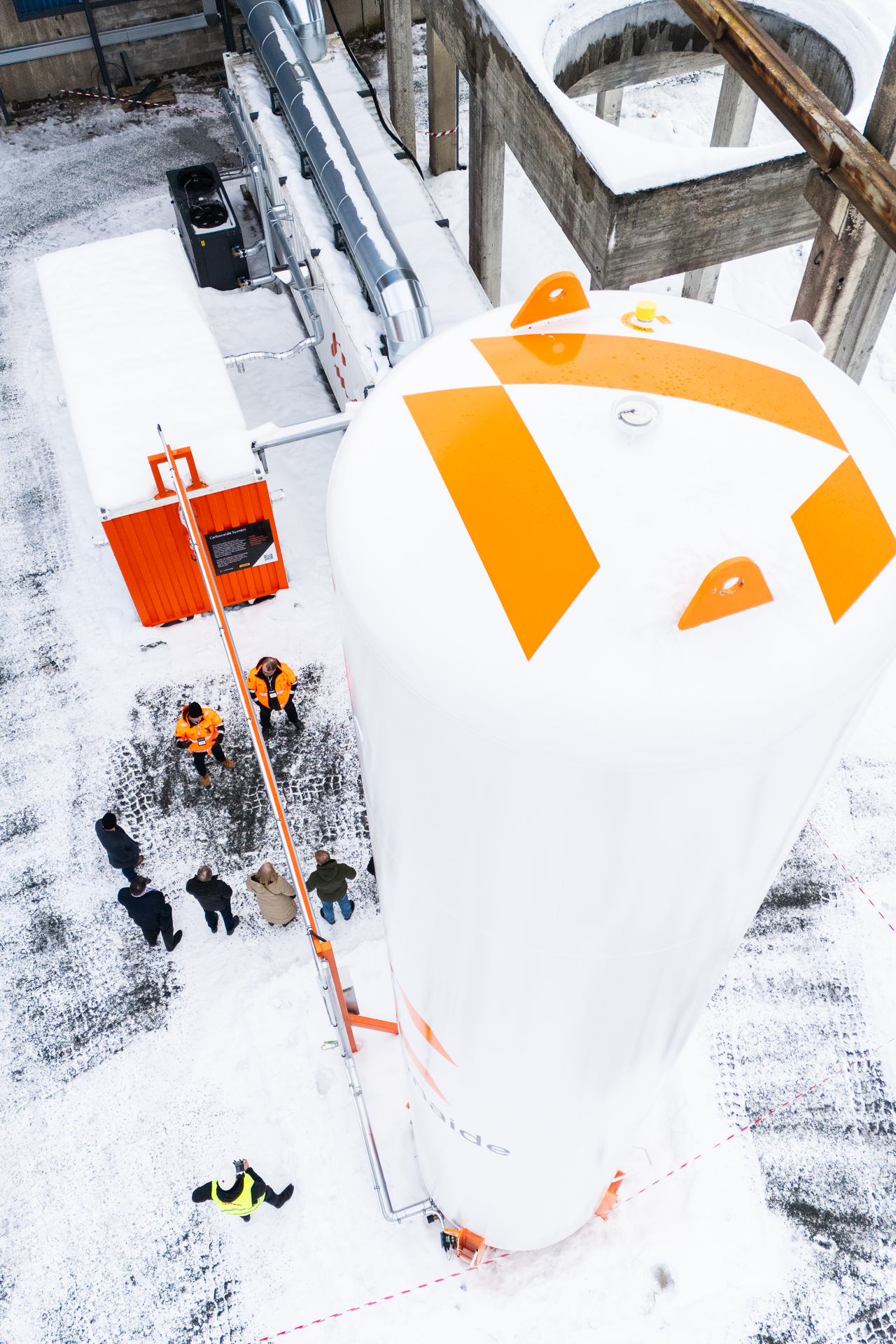
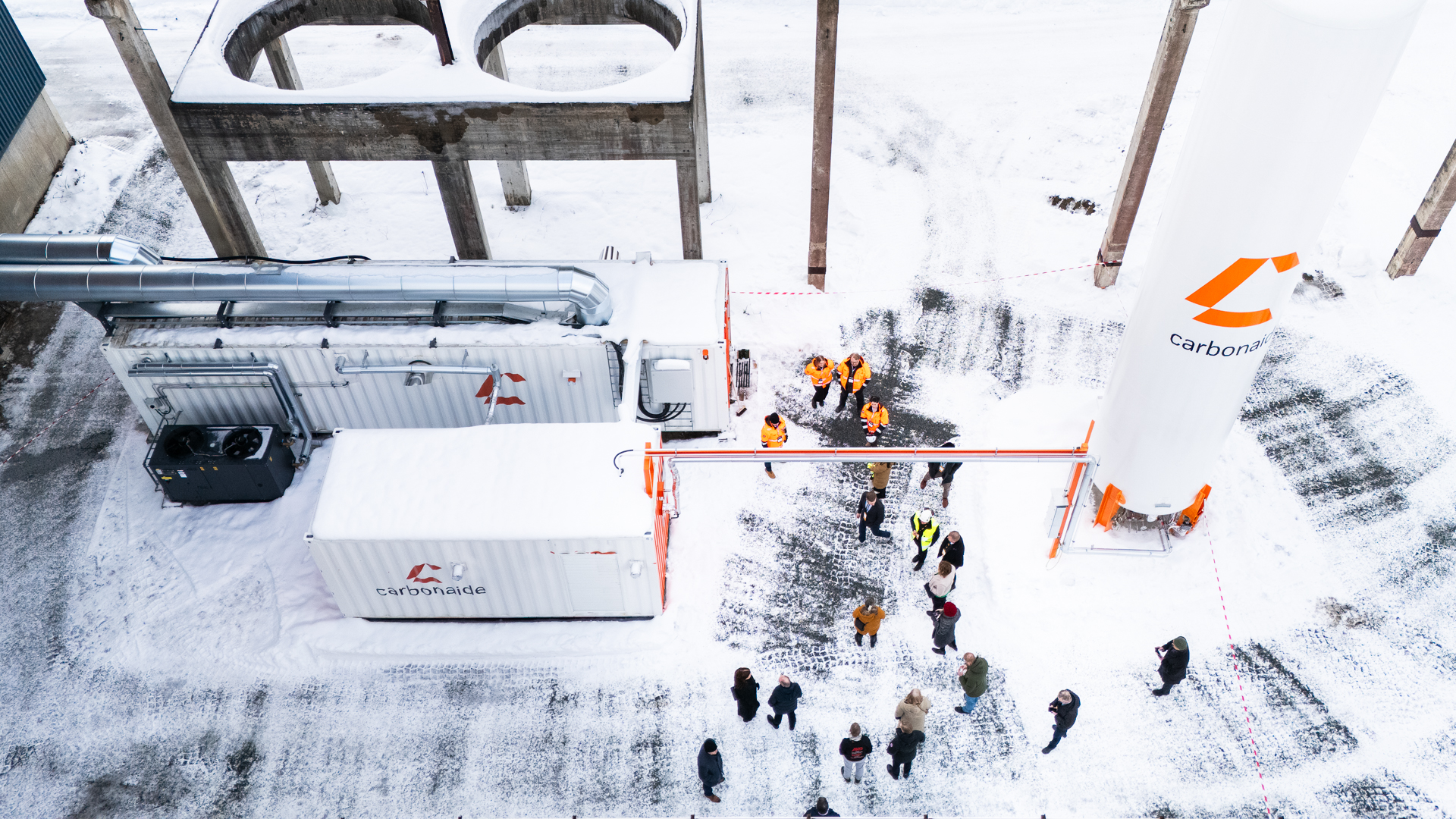
At Carbonaide, we’ve developed technology that demonstrates this concept commercially, where concrete production can achieve negative emissions through CO2 mineralisation. The process not only stores carbon dioxide but also improves concrete properties, creating stronger materials with faster curing times while reducing the required cement content.
This dual-benefit approach addresses both environmental impact and production efficiency, making carbon-negative concrete a viable solution for large-scale construction applications. This technology enables the construction industry to contribute to climate solutions rather than merely minimising its environmental impact.