
Concrete curing is the chemical process in which cement and water react to form strong bonds that gradually harden the material over time. This hydration process transforms fresh concrete from a workable mixture into a solid, durable construction material. Understanding curing helps you plan construction timelines and ensure proper concrete strength development.
What exactly happens when concrete cures?
Concrete curing involves a chemical reaction called hydration, in which cement particles react with water to form calcium silicate hydrate (C-S-H) gel. This gel acts like glue, binding all the concrete components together and creating the material’s strength.
When you mix cement with water, the cement particles begin dissolving and forming new crystalline structures. These crystals grow and interlock, creating a dense, solid matrix that holds the sand and aggregate in place. The process generates heat, which you might notice in large concrete pours.
The concrete curing process continues for months or even years, though most strength development happens within the first 28 days. During this time, the concrete becomes progressively stronger as more cement particles react with the available water. Temperature and humidity significantly affect how quickly these chemical reactions occur.
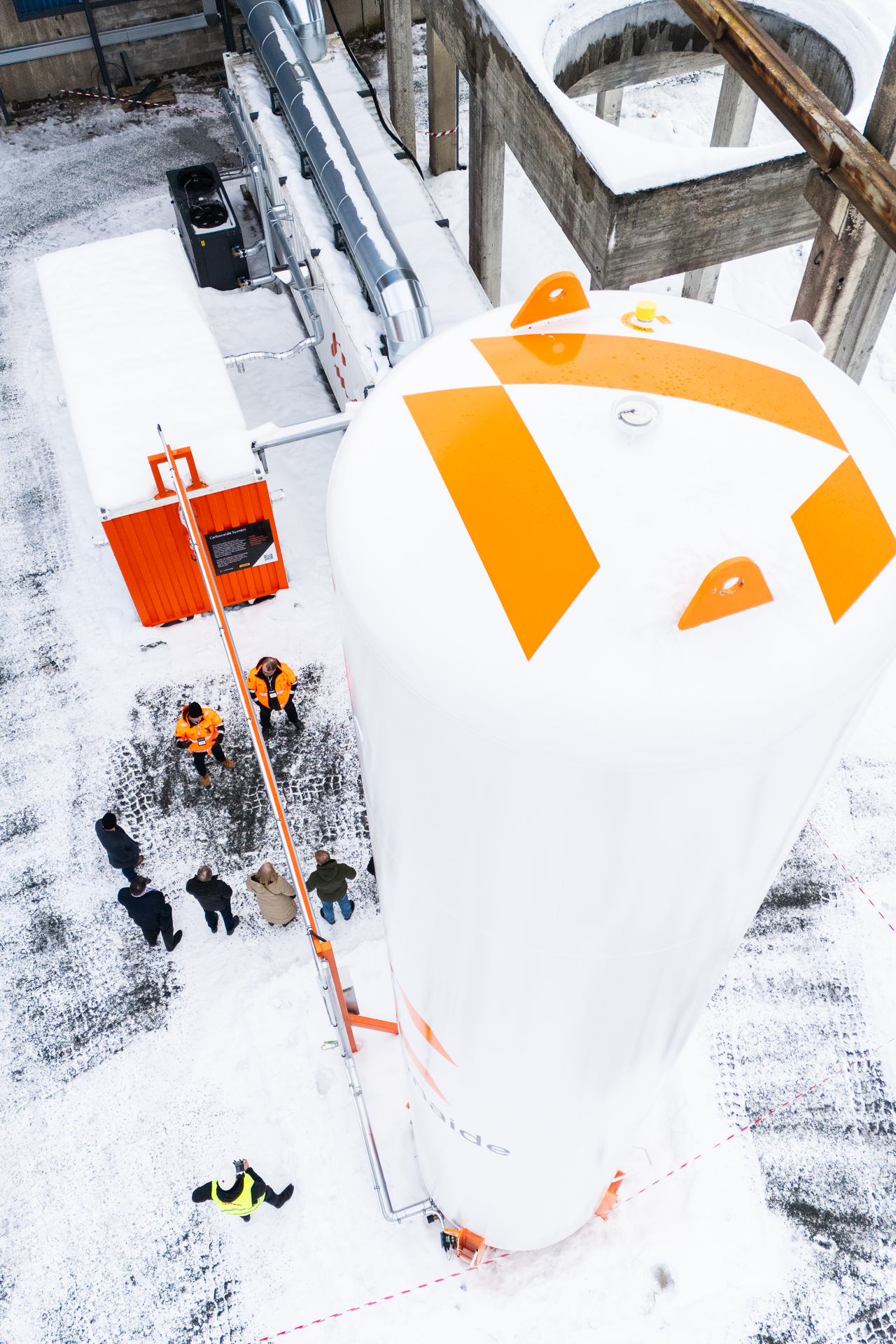
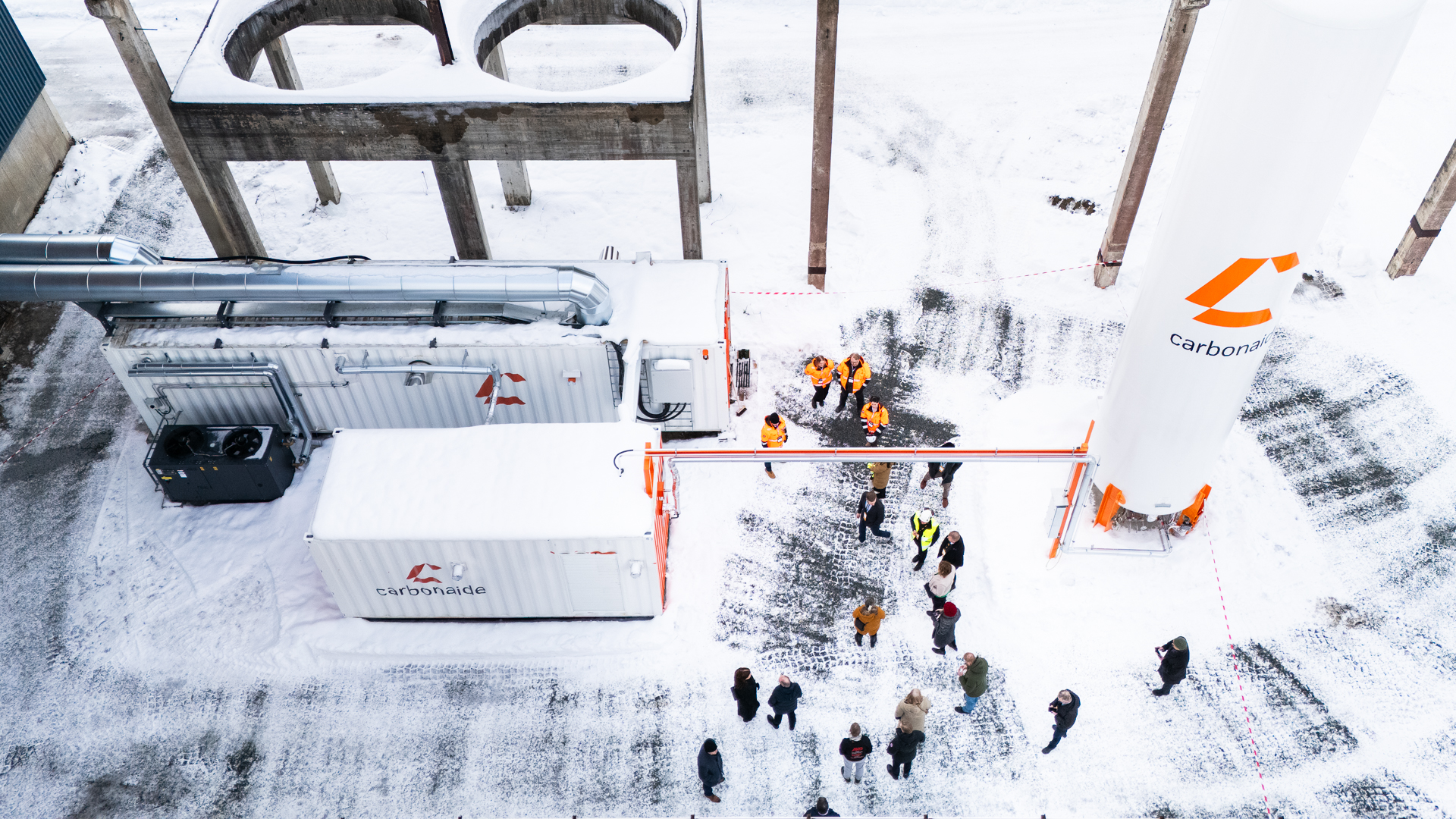
Modern concrete production methods can accelerate this natural process. We use CO₂ curing technology that speeds up concrete hardening while permanently storing carbon dioxide within the concrete structure, creating stronger concrete in less time.
How long does concrete actually take to cure?
Concrete reaches about half its final strength within seven days and approximately its full design strength after 28 days under normal conditions. However, the curing process continues much longer, with concrete gaining additional strength for several months.
The concrete curing timeline follows predictable stages:
- Initial set: 30 minutes to 2 hours after mixing – concrete becomes non-workable but remains soft
- Final set: 4 to 8 hours – concrete hardens enough to resist finger pressure and light foot traffic
- Early strength: 1 to 7 days – concrete develops approximately 70% of its design strength for basic structural use
- Design strength: 28 days – concrete reaches its specified performance capacity for full structural loading
- Long-term curing: Months to years – concrete continues gaining strength, potentially reaching 120-130% of design strength
Understanding this timeline helps construction teams make informed decisions about project scheduling and safety protocols. Environmental conditions and mix design significantly influence these stages, with optimal curing occurring at temperatures between 50-85°F and relative humidity above 80%. Modern techniques like CO₂ curing can compress these timelines while enhancing final strength, making projects more efficient without compromising quality.
What’s the difference between concrete setting and concrete curing?
Concrete setting refers to when the mixture becomes firm enough to hold its shape, while concrete curing is the ongoing strength development process that continues for months. Setting happens within hours, but curing takes much longer.
Key differences between setting and curing include:
- Timeframe: Setting occurs within 2-8 hours, while curing continues for weeks, months, or even years
- Physical changes: Setting involves stiffening and hardening, while curing involves continuous strength gain through ongoing chemical reactions
- Workability: After setting, concrete cannot be reshaped or finished, but curing concrete maintains its form while becoming stronger
- Load capacity: Set concrete can handle light foot traffic, while properly cured concrete can support full design loads
- Construction impact: Setting determines when formwork can be removed, while curing determines when structures can bear intended loads
These distinctions are crucial for construction planning and safety. While setting marks the end of the placement window, curing determines structural performance and long-term durability. Rushing the curing process by applying loads too early can compromise concrete strength and lead to structural failures. Proper understanding of both processes ensures projects meet design specifications and safety requirements while optimizing construction schedules.
If you are interested in learning more, contact our team of experts today.