
A typical concrete factory produces substantial amounts of CO₂ annually, with emissions varying based on production capacity, facility size, and manufacturing processes. The concrete industry accounts for a significant portion of global greenhouse gas emissions, making it one of the most carbon-intensive manufacturing sectors. Understanding these emission levels helps manufacturers identify reduction opportunities and implement technologies that can transform their environmental impact.
What makes concrete production such a major source of CO₂ emissions?
Concrete production generates massive CO₂ emissions through several interconnected processes that make it one of the most carbon-intensive manufacturing activities:
- Limestone calcination reactions – When limestone (calcium carbonate) is heated to approximately 1,450°C in kilns, it undergoes thermal decomposition that directly releases CO₂ as a chemical byproduct, independent of energy sources used
- Fossil fuel combustion for extreme heat – Reaching the necessary temperatures for cement production typically requires burning coal, natural gas, or other fossil fuels, creating additional emissions beyond the chemical reactions
- Energy-intensive material processing – Grinding raw materials, operating large-scale mixing equipment, and running conveyor systems require substantial electricity consumption throughout the facility
- Steam and heat-based curing systems – Traditional concrete curing methods rely on heated chambers or steam injection to achieve proper strength development, significantly increasing energy demands
- Heavy material transportation – Moving limestone, aggregates, and finished concrete products requires diesel-powered equipment and vehicles, contributing to the facility’s overall carbon footprint
These multiple emission sources work simultaneously throughout concrete production, creating a compounding effect that makes concrete manufacturing uniquely challenging from an environmental perspective. Unlike industries where emissions come primarily from energy use, concrete production generates unavoidable chemical emissions while also requiring massive energy inputs, making it a dual-source carbon contributor that requires comprehensive approaches to achieve meaningful reductions.
How much CO₂ does an average concrete manufacturing plant actually produce per year?
Annual CO₂ emissions from concrete manufacturing plants vary dramatically based on several key factors that determine a facility’s environmental impact:
- Production capacity and volume – Facilities producing thousands of cubic metres annually generate proportionally higher emissions, with large-scale operations potentially producing tens of thousands of tonnes of CO₂ per year
- Facility type and specialisation – Ready-mix plants, precast operations, and integrated cement facilities each have different emission profiles, with integrated plants typically showing the highest per-facility emissions
- Technology age and efficiency – Modern facilities with updated equipment and emission control systems can achieve 20-30% lower emissions compared to older plants using legacy technology
- Geographic location and logistics – Plants near limestone quarries or with access to cleaner electricity grids can reduce transport and indirect emissions significantly
- Cement content in concrete mixes – Higher cement ratios directly correlate with increased emissions, as cement production remains the most carbon-intensive component of concrete manufacturing
The wide variation in these factors means that concrete facilities can range from smaller operations producing hundreds of tonnes of CO₂ annually to major integrated plants generating over 100,000 tonnes per year. Understanding where a specific facility falls within this spectrum is crucial for developing targeted emission reduction strategies and benchmarking performance against industry standards.
What are the biggest emission sources within a concrete production facility?
Concrete manufacturing facilities generate emissions through multiple interconnected sources that collectively create their substantial carbon footprint:
- Cement production and processing – Represents the largest single emission source in integrated facilities, accounting for up to 60-70% of total facility emissions through limestone calcination and kiln operations
- Operational energy consumption – Electricity for mixing equipment, conveyor systems, lighting, and facility operations creates substantial indirect emissions, particularly in regions with fossil fuel-dependent electrical grids
- Curing system energy demands – Steam- or heat-based curing systems consume significant energy, especially in precast operations requiring controlled environments for quality concrete production
- Material transportation and logistics – Delivering raw materials to facilities and distributing finished products requires diesel-powered vehicles and equipment, creating direct combustion emissions
- Raw material processing operations – Aggregate washing, crushing, preparation activities, and internal material handling using diesel equipment contribute measurable emission levels
- Facility support systems – Quality control laboratories, environmental controls, waste management, heating and cooling systems, and equipment maintenance add smaller but cumulative emission sources
The cumulative effect of these diverse emission sources makes concrete manufacturing one of the most carbon-intensive industrial processes, requiring comprehensive strategies that address both major contributors like cement production and smaller operational sources. Facilities seeking meaningful emission reductions must evaluate all these sources systematically rather than focusing on individual components in isolation.
How do concrete factory emissions compare to other industrial facilities?
Concrete manufacturing ranks among the highest emission-generating industrial processes, placing it alongside steel, aluminium, and chemical manufacturing in terms of carbon intensity. However, concrete production presents unique challenges that distinguish it from other heavy industries.
Unlike many manufacturing sectors where emissions come primarily from energy consumption, concrete production generates emissions through both unavoidable chemical reactions and energy-intensive operations. This dual emission source makes concrete facilities particularly challenging to decarbonise compared to industries that can address their carbon footprint primarily through cleaner energy adoption or improved efficiency.
The scale and ubiquity of concrete production amplifies its environmental impact significantly. As the most widely used construction material globally, concrete’s massive production volumes create substantial cumulative emissions from thousands of facilities worldwide. While individual plants may have emission intensities comparable to other heavy industrial facilities, the industry’s total environmental footprint reflects its enormous scale of production.
Compared to lighter manufacturing industries like electronics, textiles, or food processing, concrete facilities typically generate orders of magnitude more emissions per unit of production. However, concrete’s exceptional durability and service life spanning decades means that emissions are distributed over much longer periods than shorter-lived manufactured goods, creating a different environmental profile when evaluated on a lifecycle basis.
What can concrete manufacturers do to reduce their CO₂ footprint?
Concrete manufacturers can implement multiple complementary strategies to achieve significant emission reductions while maintaining product quality and operational efficiency:
- Alternative cementitious materials integration – Supplementary cementitious materials (SCMs) like slag, fly ash, or silica fume can replace 20-50% of cement in concrete mixes, directly reducing the most carbon-intensive component
- Energy efficiency and renewable power adoption – Upgrading to modern mixing equipment, efficient lighting systems, and optimised material handling can reduce operational energy consumption by 15-25%, while solar or wind power can eliminate indirect emissions
- Advanced curing technologies – CO₂ utilisation systems can accelerate curing processes while permanently storing carbon within concrete products, transforming emissions from liability to production advantage
- Process optimisation through digital platforms – Smart monitoring systems enable real-time adjustment of mix designs, curing parameters, and operational settings to minimise carbon output while maintaining quality standards
- Supply chain and logistics improvements – Sourcing materials locally, optimising transportation routes, and implementing efficient delivery systems can substantially reduce transport-related emissions
- Waste reduction and circular economy practices – Recycling concrete waste, reusing process water, and implementing closed-loop material systems can reduce both direct emissions and resource consumption
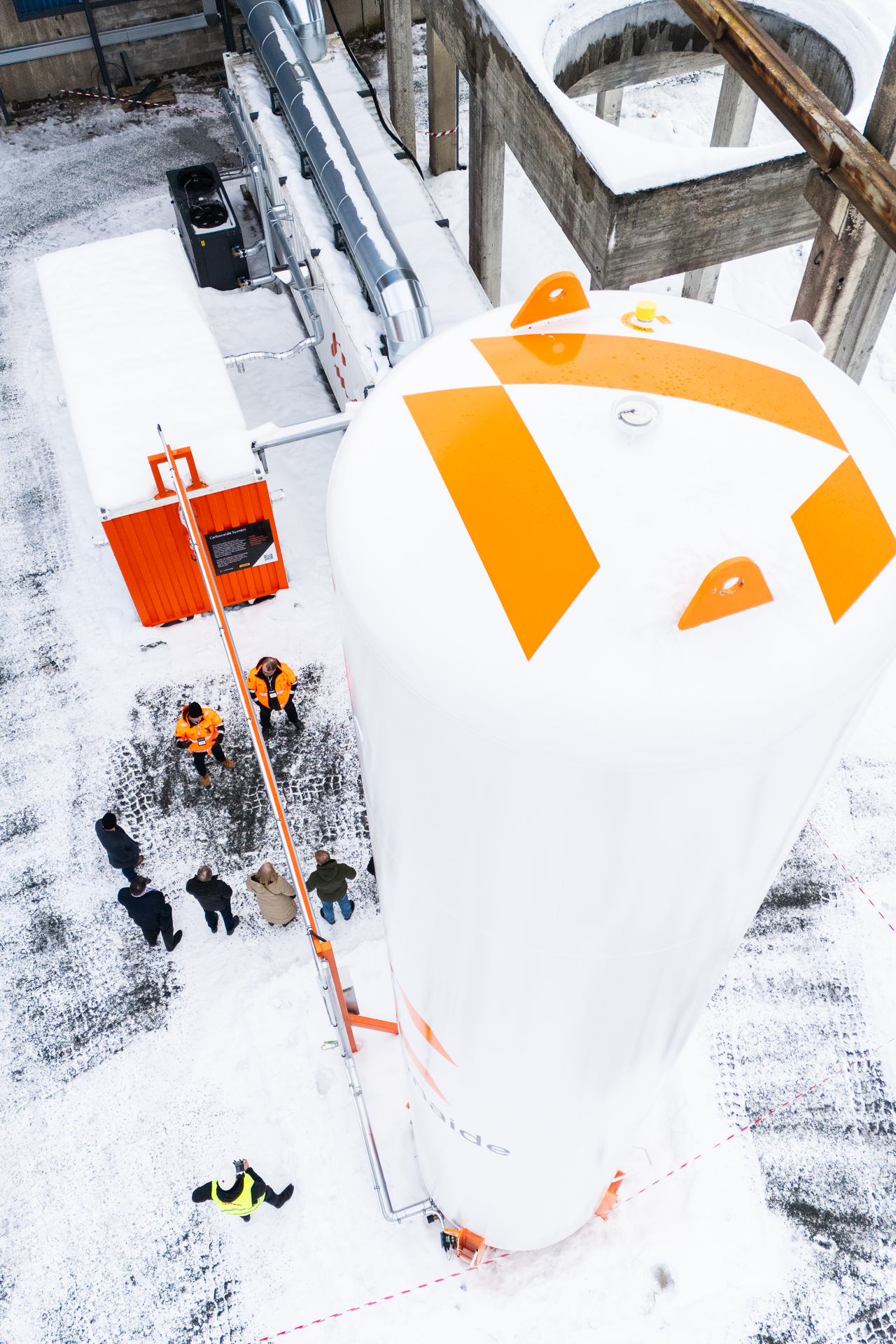
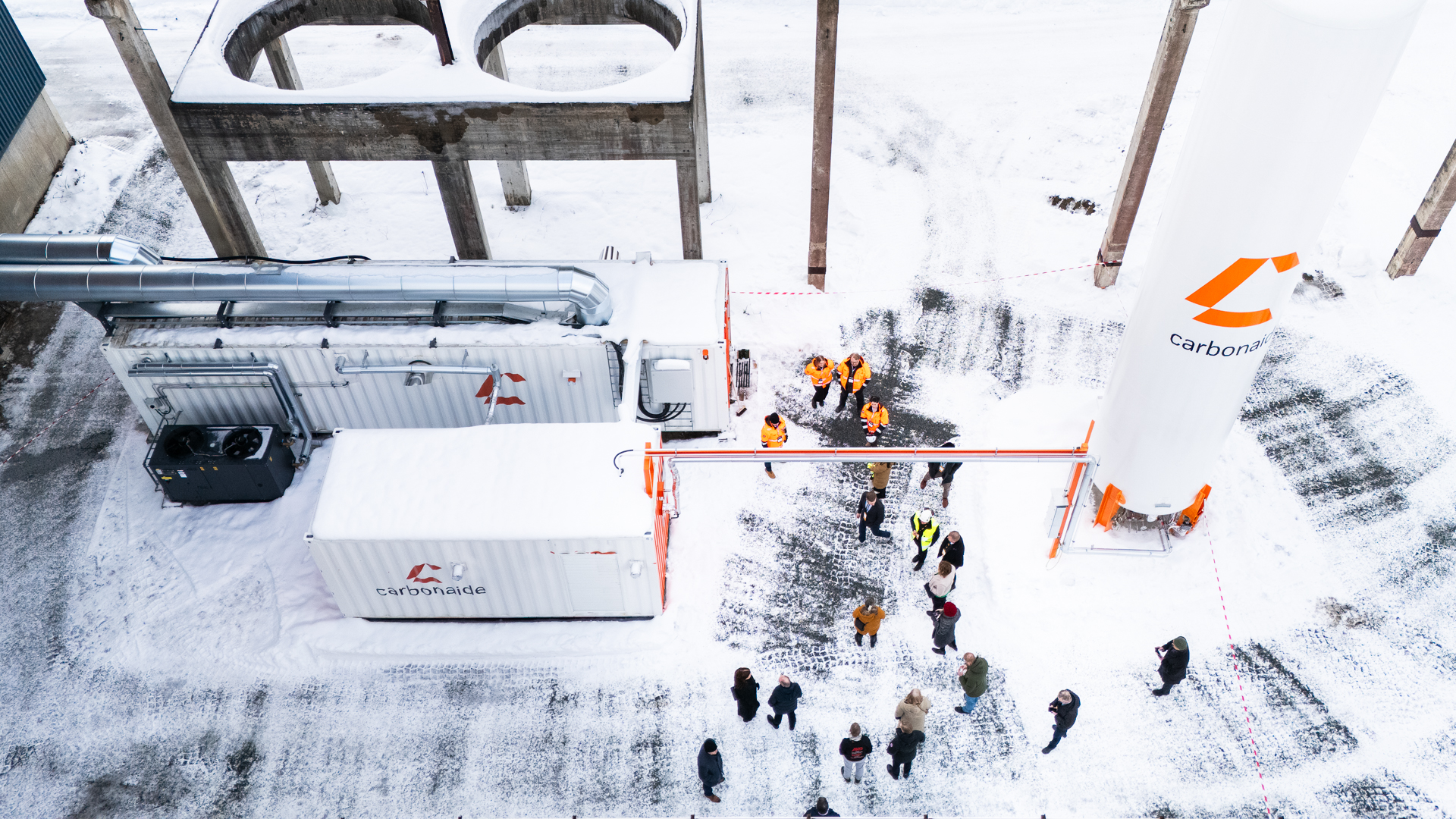
These strategies work most effectively when implemented as integrated systems rather than isolated improvements. Modern concrete manufacturers are discovering that comprehensive approaches combining multiple reduction methods can achieve 30-60% emission reductions while often improving operational efficiency and product performance. We have developed solutions that help manufacturers achieve these optimisations through integrated hardware and software platforms that manage CO₂ flow during concrete curing, enabling permanent carbon storage within concrete products while improving production efficiency and contributing to meaningful climate impact.