
Carbon offsetting and carbon removal represent two fundamentally different approaches to addressing construction industry emissions. Carbon offsetting compensates for emissions by purchasing credits from external projects, while carbon removal physically extracts and permanently stores CO2 from the atmosphere. Understanding these differences helps construction companies choose strategies that align with their sustainability goals and regulatory requirements.
What exactly is carbon offsetting in the construction industry?
Carbon offsetting allows construction companies to compensate for their emissions by purchasing credits from projects that reduce or avoid greenhouse gas emissions elsewhere. Companies calculate their carbon footprint from concrete production, transportation, and operations, then buy equivalent credits to balance their environmental impact.
The construction industry typically relies on several types of offsetting projects:
- Forestry and tree-planting initiatives – These projects appear straightforward and cost-effective, making them popular choices for construction companies seeking immediate carbon balance
- Renewable energy installations – Wind and solar projects that displace fossil fuel energy generation, providing measurable emission reductions
- Methane capture from landfills – These projects prevent potent greenhouse gases from entering the atmosphere while generating useful energy
- Agricultural carbon sequestration – Farming practices that store carbon in soil, though verification can be challenging over time
These offsetting approaches offer construction companies flexibility in meeting sustainability targets without changing their core operations. The offsetting market provides various credit types at different price points, allowing companies to purchase credits immediately after calculating their emissions. However, it’s crucial to understand that these projects do not actually remove emissions from construction activities; they simply balance them with reductions elsewhere, creating a net-zero calculation rather than eliminating the original emissions.
How does carbon removal work differently from offsetting?
Carbon removal physically extracts CO2 from the atmosphere and stores it permanently, creating an actual reduction in atmospheric carbon dioxide levels. Unlike offsetting’s compensation approach, removal technologies directly address climate change by reducing the total amount of CO2 in the air.
Several carbon removal technologies are becoming available to the construction industry:
- Direct air capture systems – These use large fans and chemical processes to pull CO2 from ambient air, requiring significant energy but providing measurable results
- Enhanced weathering – This process accelerates natural rock processes that absorb CO2 over geological timescales, offering long-term storage solutions
- CO2 mineralization technology – This transforms captured carbon dioxide into stable mineral carbonates within building materials, combining removal with product improvement
- Biochar production – Converting organic waste into stable carbon compounds that can be stored in soil or integrated into construction materials
These removal methods require more sophisticated technology and typically cost more than offset credits initially. However, they provide measurable, verifiable carbon reduction that contributes directly to climate goals while often delivering operational benefits. The construction industry can integrate removal technologies into production processes, creating opportunities to transform from carbon emitters to carbon sinks while potentially improving product quality and reducing long-term costs.
Why does permanence matter when choosing between offsetting and removal?
Permanence determines how long carbon benefits last and affects their real climate impact. Offset projects face significant reversibility risks: forests can burn, renewable energy projects may be discontinued, and policy changes can undermine project effectiveness over time.
Tree-planting projects, popular with construction companies, remain vulnerable to wildfires, disease, and land-use changes for decades. Even successful forestry projects only store carbon temporarily compared with geological timescales. These risks mean offset benefits may disappear, requiring companies to purchase replacement credits.
Carbon removal through mineralization offers permanent storage by converting CO2 into stable mineral forms. Once carbon dioxide becomes chemically bound within concrete products, it cannot leak back into the atmosphere. This permanence provides reliable, long-term climate benefits that support regulatory compliance and sustainability commitments.
What are the real costs and benefits of each approach for construction companies?
The financial implications of offsetting versus removal extend far beyond initial purchase prices, affecting both immediate operations and long-term business strategy.
Carbon offsetting typically presents these characteristics:
- Lower upfront costs – Offset credits cost less initially but provide no operational benefits to concrete production
- Ongoing expenses – Companies must continuously purchase credits to maintain carbon neutrality as production continues
- No operational improvements – Offsetting doesn’t enhance manufacturing processes or product quality
- Market perception risks – Growing scrutiny of offset claims may affect brand reputation and customer acceptance
Carbon removal technologies offer a different value proposition:
- Higher initial investment – Removal technologies require more upfront capital but often deliver multiple operational benefits
- Operational improvements – CO2 curing technology reduces cement content while accelerating production, lowering material costs
- Increased manufacturing capacity – Faster curing processes can boost production throughput and efficiency
- Premium market positioning – Companies can market carbon-negative products, potentially commanding higher prices
The economic case for removal technologies strengthens as carbon pricing increases and sustainability requirements become more stringent. Companies investing in removal can build competitive advantages while contributing meaningfully to climate goals, creating value that extends beyond simple compliance with environmental regulations.
How can construction companies transform from carbon emitters to carbon sinks?
Construction companies can become carbon sinks by integrating removal technologies directly into their production processes. CO2 mineralization in concrete transforms building materials from emission sources into permanent carbon storage solutions, fundamentally changing the industry’s environmental impact.
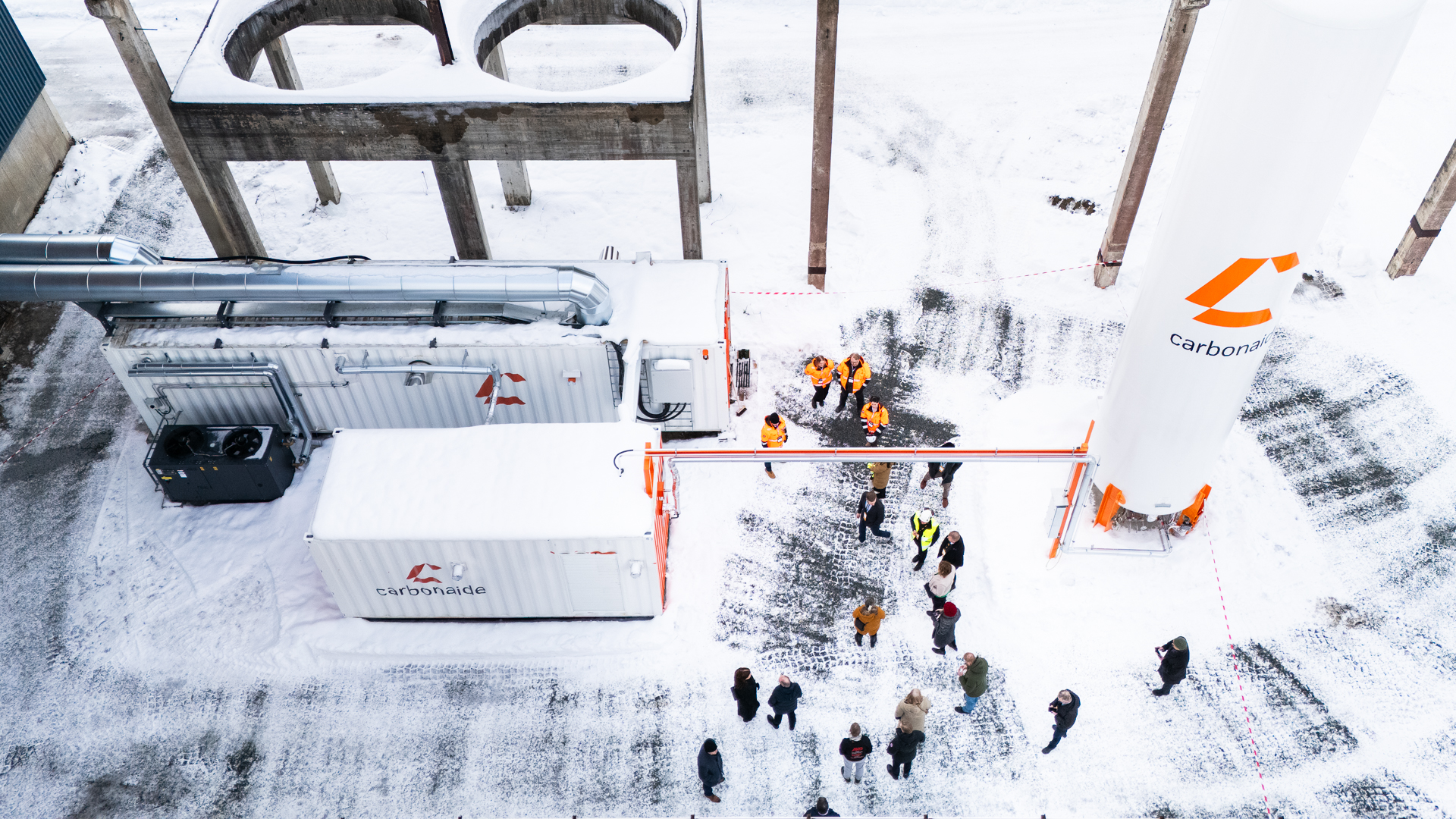
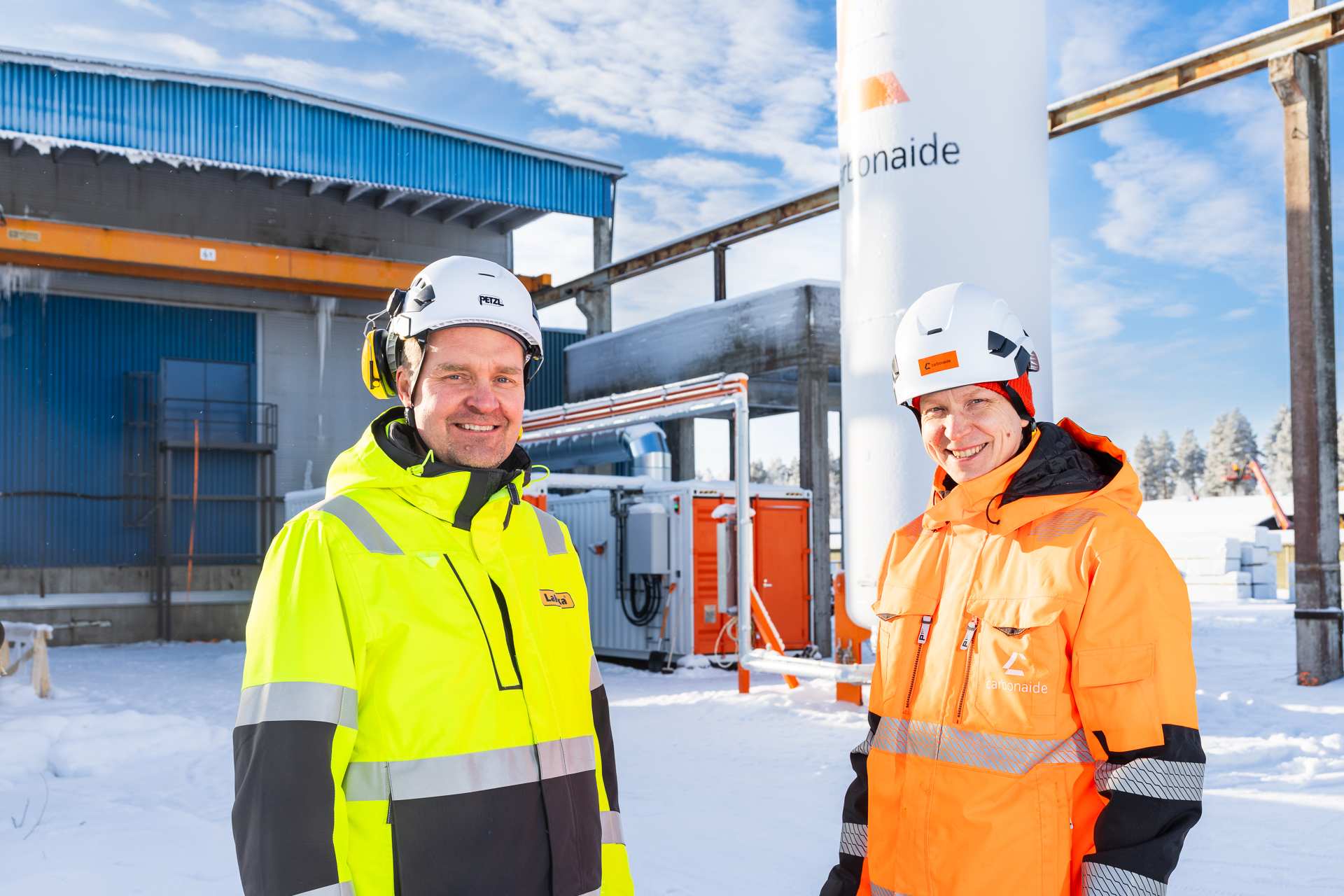
We have developed technology that infuses carbon dioxide into concrete during curing, creating stronger products while permanently storing CO2 as mineral carbonates. This process reduces required cement content and accelerates production, delivering cheaper, faster, stronger, and greener concrete manufacturing.
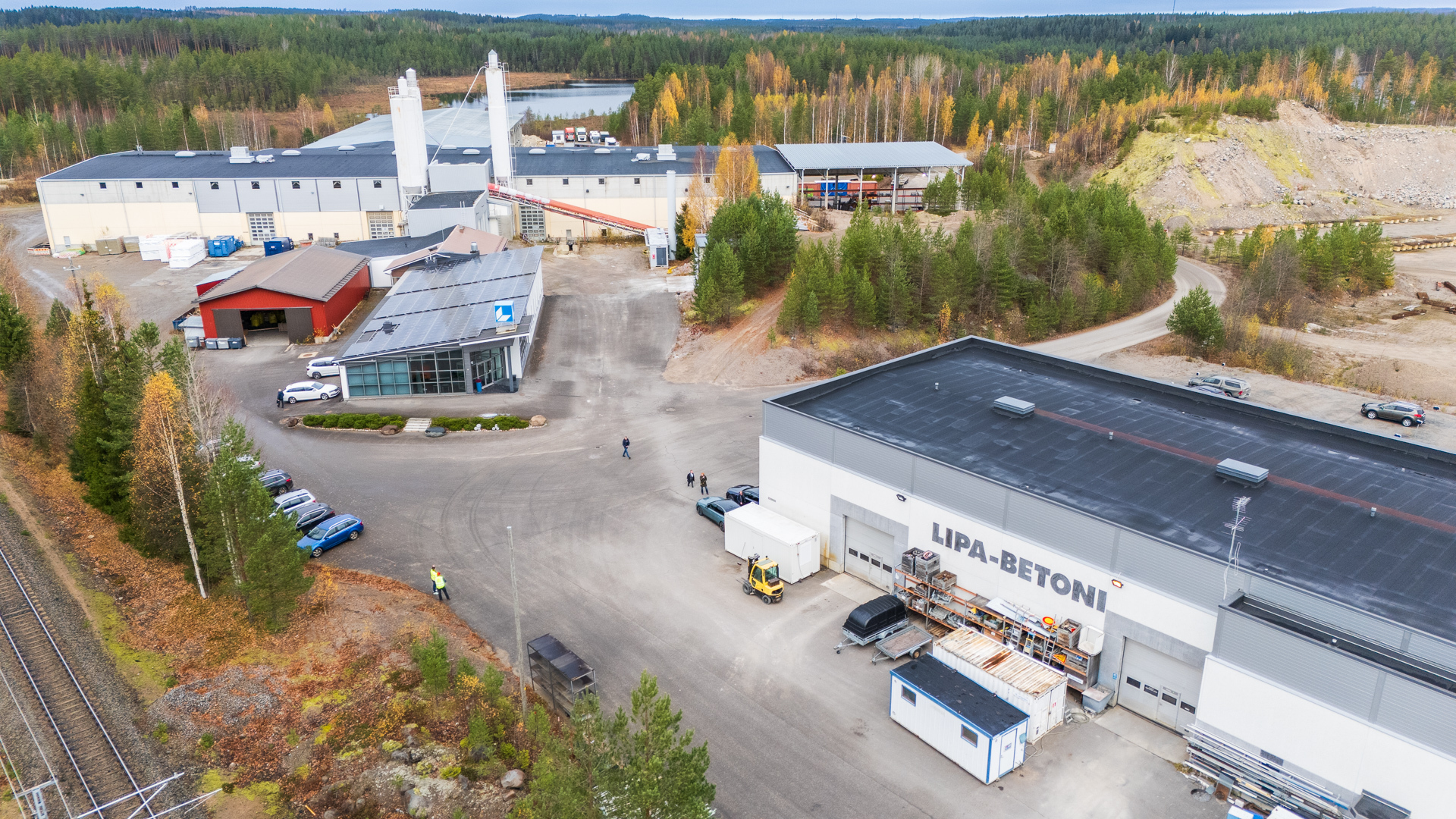
Our CO2 curing system works with both new facilities and existing production lines, enabling concrete producers to transform their operations without major disruptions. The Carbonaide Service Platform manages CO2 flow optimization while providing verified carbon storage data for reporting and carbon credit generation. This approach turns construction materials into long-term climate solutions rather than simply reducing their environmental harm.