
Precast concrete can play a meaningful role in industrial carbon removal by permanently mineralizing CO₂ into its structure during the curing process, turning a high-emission material into a carbon sink. Unlike many carbon removal approaches that require entirely separate infrastructure, this process integrates directly into existing precast production workflows. The sections below address the most common questions about how this works in practice, what it can realistically achieve, and where the real barriers lie.
How does precast concrete actually capture and store CO₂?
Precast concrete stores CO₂ through a process called CO₂ mineralisation, where carbon dioxide reacts with calcium ions released during cement hydration to form stable carbonate minerals. These carbonates become a permanent part of the concrete’s structure, meaning the CO₂ does not re-enter the atmosphere, even if the concrete is later demolished or recycled. This is carbon storage, not carbon capture: the CO₂ must first be sourced and then introduced into the curing process.
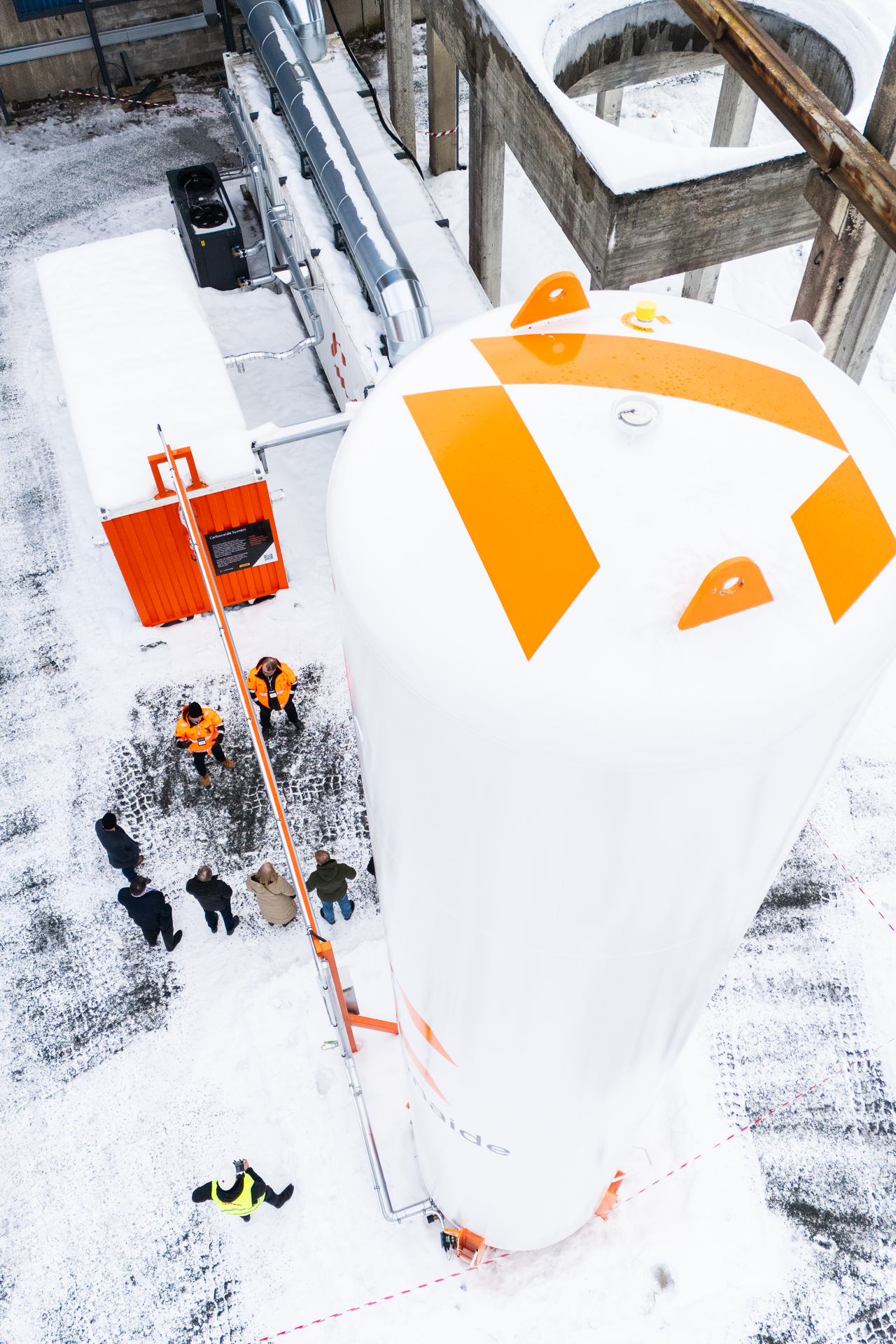
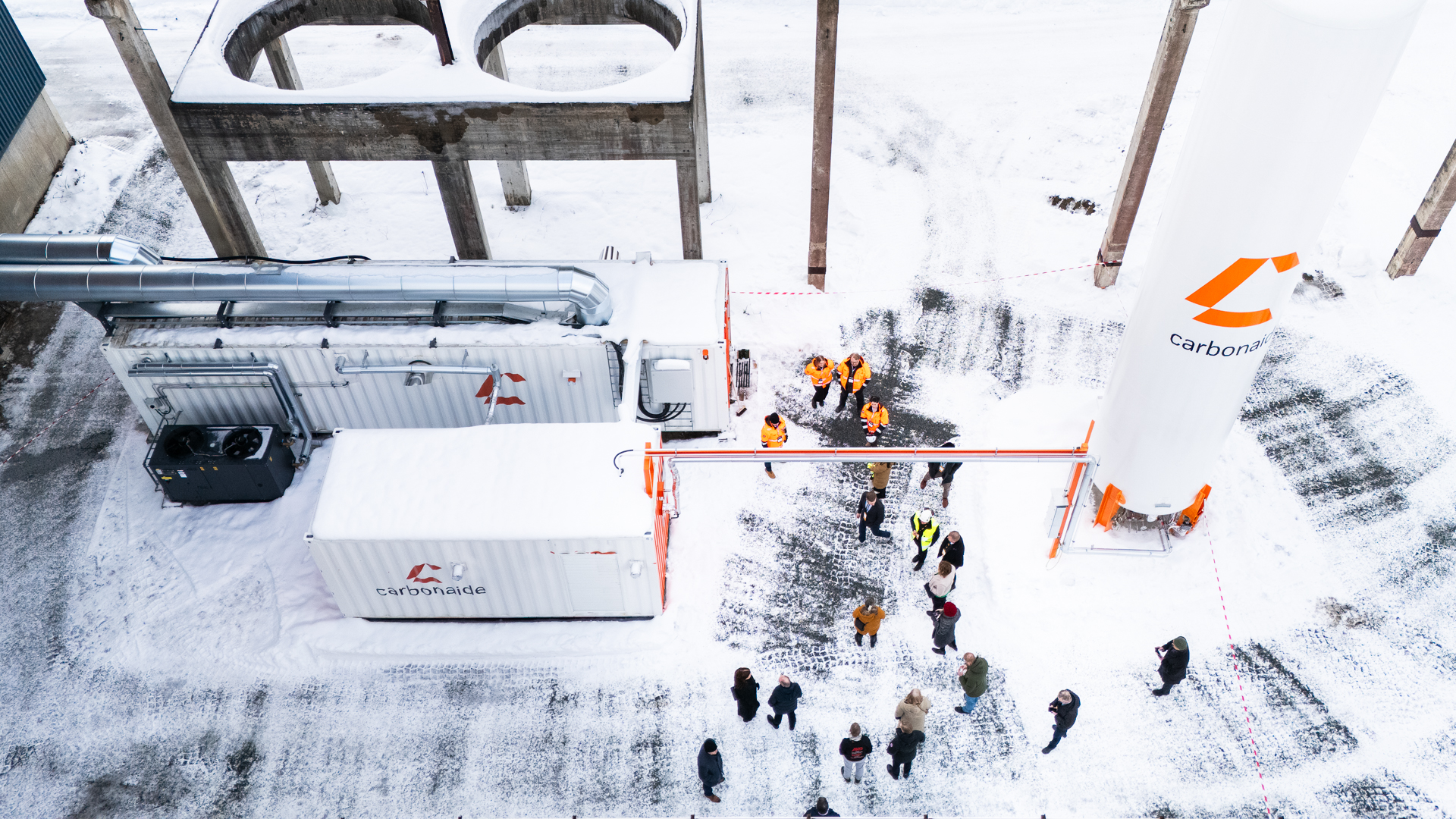
The process takes place inside gas-tight curing chambers, where precast elements are exposed to CO₂ at controlled concentrations during the early hardening phase. This is known as carbon dioxide curing. The conditions inside the chamber, including CO₂ concentration, temperature, and humidity, are managed to maximise the mineralisation rate.
The chemistry involved is well understood. Calcium silicate hydrate phases in the cement paste react with CO₂ to produce calcium carbonate. This reaction is thermodynamically stable, which is why the storage is considered permanent on timescales exceeding one thousand years. The carbonates formed are not soluble under normal environmental conditions, and they do not off-gas even under mechanical stress or thermal cycling.
What makes this relevant to industrial carbon removal is the scale at which precast concrete is already produced globally. Precast factories operate curing chambers as a standard part of production. Introducing CO₂ into that existing step does not require building new infrastructure from scratch; it requires modifying and instrumenting what already exists.
How much CO₂ can precast concrete realistically remove at scale?
The amount of CO₂ that precast concrete can mineralise depends on the binder composition, the concrete mix design, and the conditions inside the curing chamber. In general, the mineralisation potential is tied to the calcium content of the binder: higher calcium content means more capacity to form carbonates. The stored amount varies considerably across product types and production setups, so realistic estimates require site-specific assessment rather than universal figures.
At the level of individual factories, the daily mineralisation capacity is constrained by production volume and chamber configuration. A single operational unit can mineralise meaningful quantities of CO₂ per day, but scaling this to industry-wide impact requires deploying the technology across many facilities simultaneously.
The broader potential of construction materials as a carbon storage medium is substantial. Concrete holds the largest share of that potential among building materials, primarily because of the volumes produced globally and the calcium-rich chemistry of Portland cement-based binders. When alternative binders such as steel slag are incorporated, the mineralisation capacity can increase further, because slag contains reactive calcium silicate phases that respond well to CO₂ curing.
Realistically, precast concrete carbon removal at industrial scale is a long-term trajectory, not an immediate solution. It requires widespread adoption across many production facilities, consistent CO₂ sourcing infrastructure, and robust measurement and verification systems. The technology exists and is commercially operational, but the path to large-scale impact depends on how quickly the precast industry integrates it into standard production.
What makes precast concrete a better carbon removal method than other approaches?
Precast concrete carbon removal is distinctive because the CO₂ storage happens as a direct byproduct of normal production, not as a separate, energy-intensive process. The concrete is being cured regardless; introducing CO₂ into that step adds storage without requiring a standalone carbon removal facility. This integration with an existing industrial process is what differentiates it from methods such as direct air capture or biochar production, which require dedicated infrastructure and significant energy input.
Several characteristics make CO₂ mineralisation in precast concrete particularly relevant for industrial carbon removal:
- Permanence: Carbonate minerals are stable for over one thousand years and do not release CO₂ under normal conditions, including demolition and recycling. This meets the highest durability standards for carbon removal credits.
- Measurability: The amount of CO₂ mineralised can be quantified directly through gas flux measurement in the curing chamber, and confirmed with laboratory analysis of control samples. This makes verification straightforward.
- Co-benefits: Carbon dioxide curing also reduces the required cement content, shortens curing time, and can improve the mechanical properties of the concrete. This means the process delivers production value alongside carbon removal, which improves the economic case for adoption.
- Infrastructure compatibility: Existing precast factories can retrofit their curing chambers to support CO₂ curing without rebuilding production lines from the ground up.
By contrast, reforestation stores carbon in biological systems that are vulnerable to fire, disease, and land-use change. Biochar requires a separate thermal conversion process, and the carbon storage, while durable, depends on how the biochar is used. Direct air capture is energy-intensive and costly at current technology readiness levels. Precast concrete mineralisation does not solve every aspect of the carbon removal challenge, but it offers a credible, verifiable, and scalable pathway that works within an existing industrial system.
Which industries and supply chains are best positioned to adopt this?
Precast concrete manufacturers are best positioned to adopt CO₂ mineralisation, because the technology integrates into their existing curing chambers. Producers of precast elements such as wall panels, floor slabs, pavement products, and infrastructure components operate the type of controlled curing environments where carbon dioxide curing is technically and economically viable. These are high-volume production settings where even modest improvements in process efficiency have significant aggregate impact.
Beyond the concrete manufacturers themselves, several adjacent supply chains enable or accelerate adoption:
- CO₂ suppliers and logistics providers: A reliable supply of captured CO₂ is a prerequisite. Industrial gas suppliers, carbon capture facilities, and logistics networks that can deliver CO₂ to factory locations are part of the value chain.
- Precast technology providers: Companies that design and supply precast production equipment are well placed to integrate CO₂ curing systems into new factory builds or upgrades. Carbonaide’s commercial cooperation with Elematic, a globally leading provider of precast technologies, is an example of this type of partnership bringing production-scale CO₂ curing to market.
- Construction companies and developers: Building companies that specify precast elements create demand for carbon-negative concrete products. As procurement criteria increasingly include embodied carbon requirements, this demand signal reaches back through the supply chain to producers.
- Carbon market participants: Buyers of durable carbon removal credits, including corporations with net-zero commitments, provide an additional revenue stream that can improve the return on investment for precast producers adopting the technology.
Ready-mix concrete is less suited to this approach because it lacks the controlled curing chamber environment that CO₂ mineralisation requires. The technology is specifically relevant to precast and infrastructure product production, where curing conditions can be precisely managed.
How does CO₂ mineralization in concrete qualify for carbon credits?
CO₂ mineralisation in concrete qualifies for carbon credits when it meets the criteria of additionality, permanence, and quantifiability that carbon market standards require. Because CO₂ curing is not mandated by regulation and is not standard industry practice, the activity is considered additional: the carbon storage would not occur without a deliberate decision to implement the process. The mineralised CO₂ is stored permanently as carbonate minerals, satisfying durability requirements. And the amount stored can be measured directly through instrumented gas flux monitoring in the curing chamber.
The certification process involves independent verification of the carbon storage data. Laboratory-tested control samples confirm the accuracy of the software measurements, and the resulting credits are certified under recognised frameworks. Carbonaide’s credits are certified under Isometric’s module for CO₂ storage via carbonation in the built environment, which applies rigorous standards for quantification and verification.
Several factors are relevant to how the credits are structured and used:
- No double counting: The activity is not included in EU or national greenhouse gas accounting, so there is no overlap between regulatory reporting and voluntary carbon market claims.
- Credit use options: The stored carbon can either reduce the declared carbon footprint of the concrete product itself, which is relevant for Environmental Product Declarations, or be sold as carbon removal credits to third parties in voluntary carbon markets.
- Durable CDR classification: Credits from CO₂ mineralisation in concrete are classified as durable carbon dioxide removal, which is increasingly distinguished from lower-durability offset credits in both voluntary and emerging compliance markets.
The Carbonaide Service Platform manages the data collection, carbon storage documentation, and reporting needed to support certification, reducing the administrative burden on concrete producers who want to participate in carbon markets.
What barriers still limit precast concrete’s role in carbon removal?
Several practical barriers currently limit how quickly precast concrete carbon removal can scale. These are not fundamental obstacles to the technology, but they do affect the pace and breadth of adoption across the industry.
CO₂ sourcing and logistics
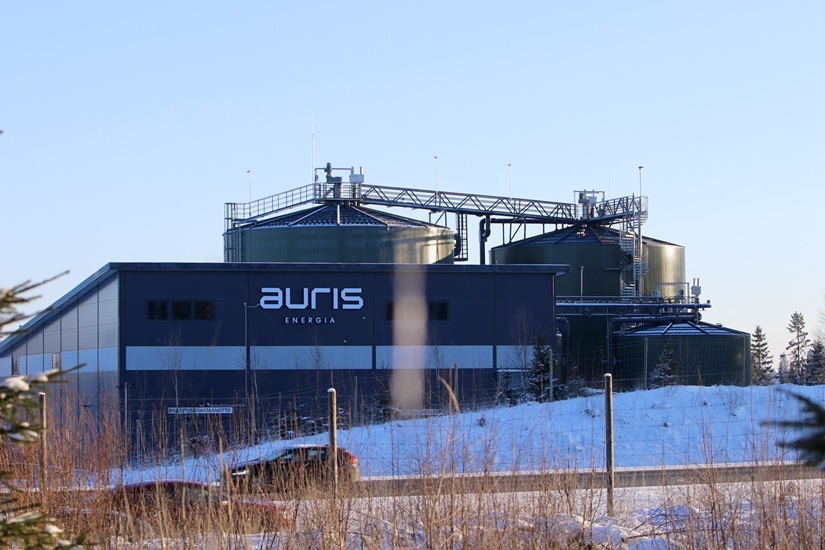
Carbon dioxide curing requires a consistent supply of CO₂ delivered to factory locations. For precast producers in regions with limited industrial CO₂ infrastructure, sourcing and logistics add cost and complexity. The economics improve when factories are located near industrial CO₂ sources, such as biogas plants, fermentation facilities, or industrial processes that capture CO₂ as a byproduct. Building out the CO₂ supply network to serve a broader range of factory locations is a prerequisite for wider geographic adoption.
Upfront investment and return on investment timelines
Installing a CO₂ curing system requires capital investment in hardware, chamber modifications, and integration with existing production management systems. While the process delivers co-benefits, including cement savings and faster production that contribute to a positive return on investment, the payback period depends on production volume, cement prices, and whether the producer can access carbon credit revenues. Smaller producers with lower production volumes face a less favourable investment case than high-volume facilities.
Market maturity for durable carbon removal credits
The voluntary carbon market for durable carbon dioxide removal is still developing. Demand for high-integrity, permanent removal credits is growing, but the market is not yet large enough to provide a reliable revenue stream for all potential producers. As corporate net-zero commitments tighten and regulatory frameworks for carbon markets mature, this barrier is expected to reduce, but it currently limits the financial incentive for early movers in some markets.
Awareness and technical expertise
Many precast producers are not yet familiar with carbon dioxide curing as a production technology. Integrating it requires understanding not just the hardware but also the process chemistry, mix design adjustments, and data management requirements. Building technical knowledge across the industry takes time, and the availability of experienced partners and support services affects how quickly individual producers can implement the technology successfully.
None of these barriers are permanent. The technology is commercially operational, the certification frameworks exist, and the supply chain is developing. The trajectory points toward broader adoption, but the speed of that adoption will depend on how quickly the supporting infrastructure and market conditions align with the technical readiness of the solution.
How Carbonaide supports precast concrete carbon removal
Carbonaide provides a complete solution for precast producers who want to implement CO₂ mineralisation in their production. The offering covers the full scope of what is needed to get from interest to operational carbon storage:
- Carbonaide CO₂ Curing System: Hardware designed for integration with new facilities or retrofitting into existing curing chambers, including the process module, CO₂ supply integration, and chamber modifications.
- Carbonaide Service Platform: Cloud-based software that manages CO₂ flow, measures mineralisation in real time, and produces the documentation needed for carbon credit certification and Environmental Product Declaration updates.
- Carbonaide Care: Lifecycle support covering project management, setup, maintenance, and calibration, with two service tiers depending on the level of support required.
- CO₂ sourcing and carbon credit management: Where needed, Carbonaide can support producers with CO₂ logistics through its partner network and manage carbon credit processes together with certified CDR partners.
The technology has been commercially operational in Finland since early 2024, and we at Carbonaide are actively expanding the number of operational units in the Nordics in 2026. For precast producers evaluating the investment, Carbonaide provides detailed ROI calculations based on actual production parameters, including cement savings, production speed gains, and carbon credit revenues.