
CO₂ curing in concrete production is a process that injects carbon dioxide into concrete during the curing phase to accelerate strength development and permanently store CO₂ within the concrete matrix. Unlike traditional curing methods that rely on time and moisture, CO₂ curing triggers chemical reactions that form calcium carbonate crystals, making concrete stronger while reducing emissions. This technology addresses common questions about implementation, benefits, and equipment requirements for precast concrete manufacturers.
What exactly is CO₂ curing and how does it work in concrete production?
CO₂ curing introduces carbon dioxide into concrete during the curing phase to initiate chemical reactions that accelerate strength development. The process operates at atmospheric pressure and forms calcium carbonate crystals that enhance the concrete’s structural properties while permanently storing CO₂.
The technology operates through several key mechanisms:
- Seeding stage activation – Carbon dioxide reacts with calcium in cement to produce ultrafine calcium carbonate particles that serve as nucleation sites for crystal formation
- Accelerated hydration – CO₂ eliminates nucleation bottlenecks that typically slow cement hydration during critical early hours
- Enhanced dissolution – The acidic nature of carbon dioxide increases cement binder dissolution rates, maintaining rapid curing throughout the process
- Permanent mineralisation – CO₂ transforms into stable carbonates within the concrete matrix, creating a permanent carbon sink
This approach fundamentally differs from traditional concrete curing by creating abundant nucleation sites through chemical reactions rather than relying solely on time and environmental conditions. The result is faster strength development with simultaneous carbon capture, making the process both more efficient and environmentally beneficial than conventional curing methods.
Why does CO₂ curing make concrete stronger and more durable?
CO₂ curing strengthens concrete by creating additional calcium carbonate crystals that fill pores and form stronger molecular bonds within the concrete matrix. The carbon dioxide reacts chemically with cement components to reduce porosity and improve overall structural integrity through enhanced crystal formation.
The strengthening and durability improvements occur through multiple pathways:
- Pore structure refinement – Calcium carbonate crystals fill voids within the concrete matrix, creating a denser, less permeable structure
- Enhanced nucleation – Abundant nucleation sites allow hydration products to form more rapidly and uniformly throughout the concrete
- Supplementary material activation – The process enables previously passive materials like fly ash and slag to contribute to binding strength
- Corrosion protection – Reduced permeability helps protect steel reinforcement from environmental exposure and chemical attack
These mechanisms work synergistically to produce concrete with superior mechanical properties and long-term performance. The permanent mineralisation of CO₂ creates structural benefits that persist throughout the concrete’s service life, while the accelerated curing process ensures these improvements develop rapidly during production.
How much can CO₂ curing reduce concrete production costs and emissions?
CO₂ curing reduces concrete production costs through lower cement requirements and faster production cycles. The technology enables cement content reduction while maintaining or improving concrete strength, and it accelerates curing times compared to traditional methods, increasing production capacity.
The economic and environmental benefits include:
- Cement reduction savings – Lower cement content directly reduces material costs, which is significant given that cement prices have doubled in recent years
- Increased production capacity – Faster curing cycles allow more frequent use of equipment and facilities, improving overall throughput
- Carbon sequestration – CO₂ becomes permanently stored within concrete through mineralisation, removing it from the atmosphere
- Expanded material utilisation – Previously unusable industrial by-products and waste materials become viable supplementary cementitious materials
- Reduced embodied carbon – Lower cement requirements decrease the overall carbon footprint since cement production generates substantial CO₂ emissions
These combined benefits create a compelling business case where environmental responsibility aligns with operational efficiency. Manufacturers can achieve cost savings while contributing to carbon reduction goals, making CO₂ curing an economically and environmentally sustainable production method.
What equipment and setup do you need for CO₂ curing in concrete production?
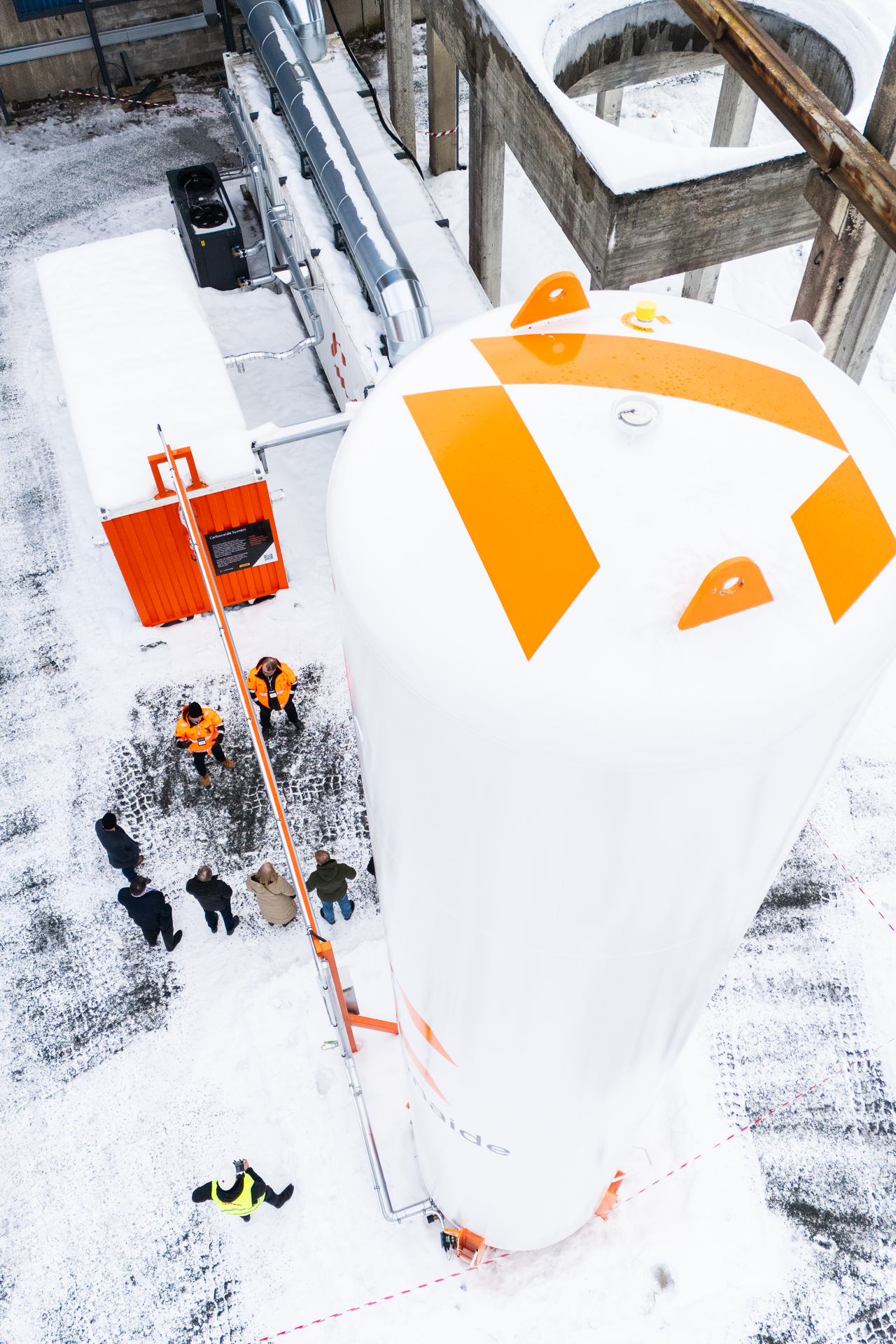
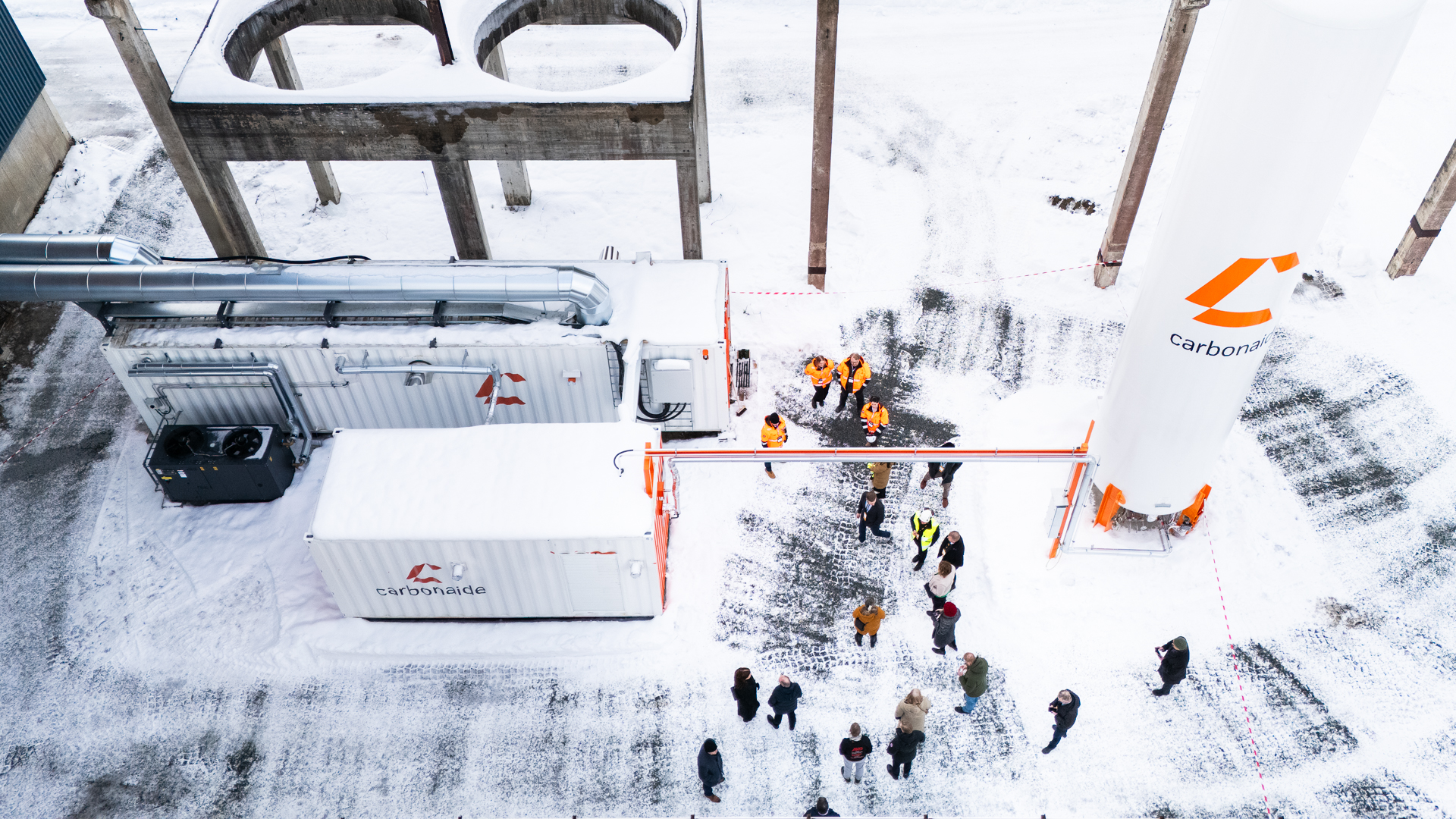
CO₂ curing requires specialised hardware components, modified curing chambers, and control systems for managing carbon dioxide flow. The setup includes both physical modifications to existing facilities and digital management platforms that monitor and optimise the CO₂ utilisation process throughout concrete production.
The complete system consists of several integrated components:
- Modular CO₂ delivery system – Specialised equipment for carbon dioxide injection, flow control, and atmospheric pressure management within curing chambers
- Chamber modifications – Adaptations to existing curing facilities that accommodate CO₂ equipment while maintaining production workflows and quality standards
- Digital control platform – Cloud-based service that provides real-time monitoring and automated flow management with smart algorithms
- Integration hardware – Components designed to work with both new facilities and existing concrete production operations without disrupting ongoing processes
- Support services – Comprehensive project management, installation, calibration, and maintenance programs to ensure continuous operation
This integrated approach ensures that concrete producers can implement CO₂ curing technology with minimal disruption to existing operations while maximising system performance. The modular design allows for scalable implementation that can grow with production needs, while the comprehensive support services reduce technical complexity and ensure reliable long-term operation.
CO₂ curing technology represents a practical approach to making concrete production more efficient and environmentally responsible. The process addresses real manufacturing challenges while providing measurable benefits in strength, speed, and sustainability. For precast concrete manufacturers looking to reduce cement costs and emissions, understanding these fundamentals helps evaluate whether CO₂ curing aligns with production goals and facility capabilities. At Carbonaide, we have developed comprehensive solutions that make this technology accessible through integrated hardware, software, and support services designed specifically for concrete production environments.